
Saudi Arabia and other Gulf partners have escalated action against organised begging networks involving Pakistani nationals, leading to mass deportations and Pakistan tightening outbound travel controls in a bid to safeguard its diplomatic and economic ties.
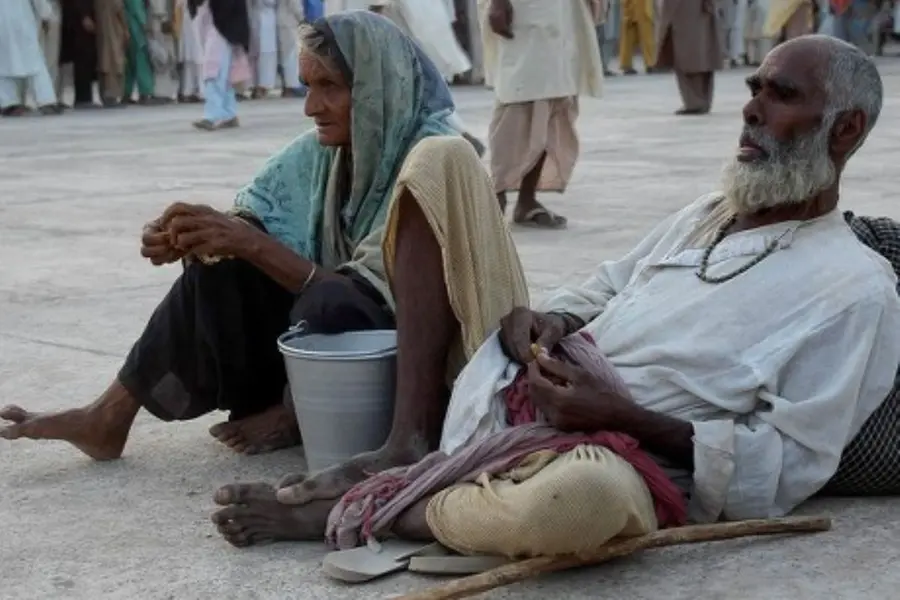
Saudi Arabia and the United Arab Emirates — key economic and religious partners of Pakistan — have significantly tightened scrutiny of Pakistani citizens amid growing international concerns over organised begging networks and related offences.
According to figures presented to Pakistan’s parliament, Saudi authorities have deported roughly 56,000 Pakistani nationals after they were found begging or suspected of planning to do so on arrival.
Back in Pakistan, the Federal Investigation Agency (FIA) has ramped up checks at departure terminals throughout 2025. In total, 66,154 passengers were “offloaded” — prevented from boarding flights — after being flagged as potential participants in begging networks or illegal migration schemes.
Officials say the problem persists despite no-fly lists, visa restrictions, and warnings from foreign governments that misuse of visas — including Umrah and tourist permits — for begging harms Pakistan’s global image and strains diplomatic relations.
The UAE recently halted visa issuance for most Pakistani citizens, explicitly citing concerns about arrivals engaging in begging and other illicit activities — a move with potential economic and social consequences for legitimate travellers, investors, students, workers, and pilgrims.
FIA Director General Riffat Mukhtar and other officials have described the networks as organised and damaging to Pakistan’s reputation. The phenomenon has also drawn attention for reaching beyond the Gulf into other regions, including parts of Africa and Southeast Asia.
Pakistan’s government has responded with internal administrative measures such as the Exit Control List (ECL), added legal penalties against trafficking and smuggling, and increased passport suspensions for repeat offenders. Critics say the situation underscores deeper socio-economic vulnerabilities at home that drive individuals into exploitative networks abroad.
Published: 19 Dec 2025, 10:03 am IST
Related Topics
Disclaimer: Kindly avoid objectionable, derogatory, unlawful and lewd comments, while responding to reports. Such comments are punishable under cyber laws. Please keep away from personal attacks. The opinions expressed here are the personal opinions of readers and not that of Mathrubhumi.
