
The embassy urged Pakistani nationals to comply with Japanese laws and said the ambassador attended the inauguration only after being informed that all approvals had been obtained
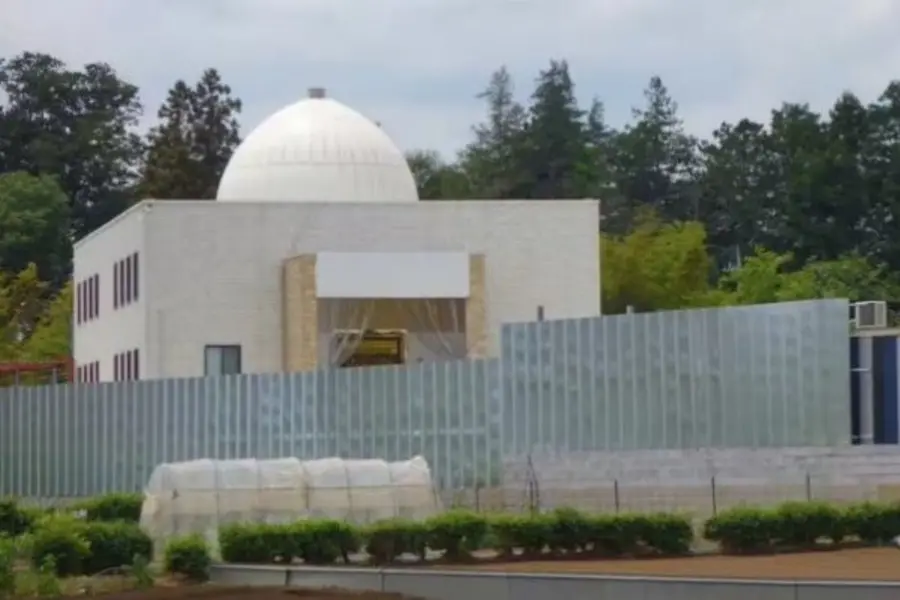
Tokyo: Pakistan's embassy in Japan has said it has no connection to a mosque project in Kawagoe that has come under scrutiny from local authorities over alleged violations of construction regulations.
The issue emerged after officials in Kawagoe, located in Saitama Prefecture, stated that a mosque had been built without obtaining the permissions required under Japanese law.
Authorities raise concerns over construction
The mosque stands on a 4,500-square-metre site classified as mountain forest land. The plot is located within an urbanisation control area, where new construction is generally restricted unless special approval is granted by local authorities.
According to a report by The Asahi Shimbun, land records show that ownership of the property changed in March 2025. The land was transferred from a real estate company based in Fujimi to a company registered at the Kawagoe address.
Kawagoe city officials said the building was erected without securing the necessary authorisation.
"The building (mosque) was constructed in an urban development control area where construction is generally prohibited unless specific permissions are secured under the City Planning Act," the municipal government said in a statement.
"The building in question was constructed without the city's permission."
Ambassador's presence draws attention
The matter attracted wider attention after Pakistan's Ambassador to Japan, Abdul Hameed, attended the mosque's inauguration ceremony earlier this year.
Following reports about the project, questions were raised about the embassy's connection to the development.
In response, Pakistan's embassy issued a statement distancing itself from the construction and stressing the importance of complying with Japanese laws.
Embassy urges community to follow local laws
In a statement posted on X on Monday, the embassy called on Pakistani nationals living in Japan to ensure full compliance with local regulations, particularly when undertaking projects involving places of worship.
"The Embassy of Pakistan earnestly requests and emphasises to the Pakistani community residing in Japan that they fully comply with Japanese laws in all matters, particularly with regard to the construction of places of worship. No construction project may be initiated without obtaining the necessary permits from local governments," the statement said.
Ambassador attended event after receiving assurances
The embassy also referred to a separate statement issued on May 31, explaining the circumstances surrounding the ambassador's attendance at the inauguration.
According to the embassy, Abdul Hameed accepted the invitation only after organisers informed him that all required permissions had been secured.
"The Embassy of Pakistan has no connection to any such projects, especially those that do not comply with the laws of local governments. This includes the event held in Kawagoe on April 3, 2026, for which the Ambassador of Pakistan accepted the invitation on the basis of information that all required permits in accordance with Japanese law had been obtained," the statement said.
Community cooperation emphasised
The embassy further urged community members to work closely with local authorities and keep nearby residents informed about projects of this nature.
"Information regarding the legal aspects of all such projects should be communicated to all members of the community and to the residents of that area as well. The Embassy of Pakistan urgently requests all relevant members of the community to fully cooperate with Japanese authorities and to comply with Japanese laws in all circumstances, particularly in connection with projects of this nature," it added.
Established mosque leader voices concern
The controversy has also drawn reactions from members of Japan's Muslim community.
According to The Asahi Shimbun, Yashio Masjid has maintained a long-standing relationship with local authorities and residents. The mosque began operating from a converted factory in 2000 and became a registered religious corporation in 2007.
Over the years, it has shared information with neighbourhood associations, informed residents before major gatherings such as Eid celebrations and participated in community clean-up activities.
Shakeel Sheikh Mohammad, a 62-year-old Pakistani who represents Yashio Masjid, criticised the Kawagoe project and stressed the importance of following local regulations.
"If they are building a mosque without getting permission, that is not a good thing," he said.
"The environment for a mosque can only be established by getting along well with the local people."
Published: 03 Jun 2026, 12:19 pm IST
Related Topics
Disclaimer: Kindly avoid objectionable, derogatory, unlawful and lewd comments, while responding to reports. Such comments are punishable under cyber laws. Please keep away from personal attacks. The opinions expressed here are the personal opinions of readers and not that of Mathrubhumi.
