
Pakistan has honoured 19th-century Hindu saint Mata Hasi Devi with a Rs 200 commemorative coin. India also released a coin marking her 200th birth anniversary in October 2026.
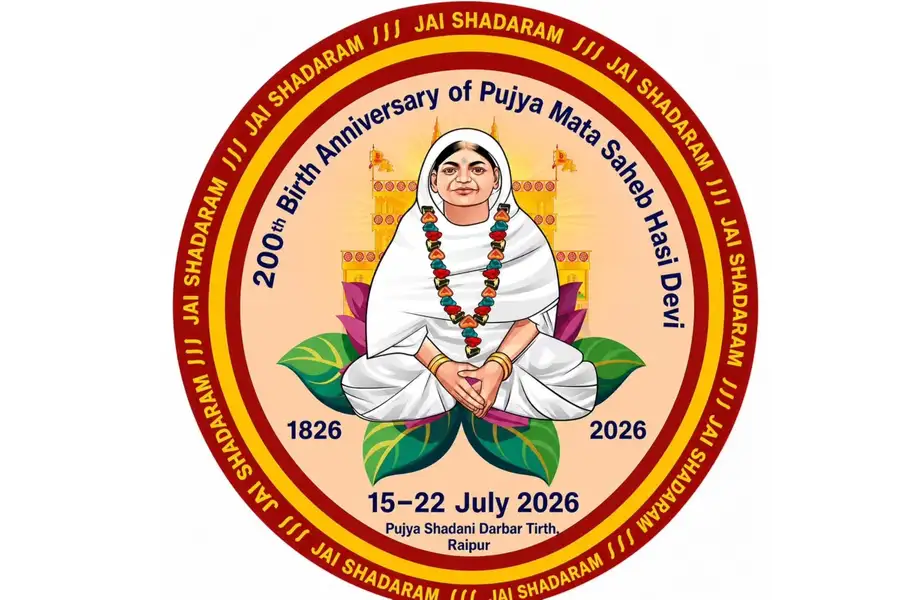
Pakistan has issued a commemorative Rs 200 coin to mark the 200th birth anniversary of Hindu saint Mata Hasi Devi, recognising her religious and cultural legacy. The coin features the historic Shadani Darbar shrine in Sindh, which she headed in the 19th century. India had also released a commemorative coin honouring the saint in October 2026.
Why has Pakistan issued a Rs 200 coin for Mata Hasi Devi?
The State Bank of Pakistan issued the commemorative coin to recognise the religious and cultural significance of Mata Hasi Devi's 200th birth anniversary.
According to the bank's announcement, the coin was issued to "commemorate the religious and cultural significance of 200th Birth Anniversary of Pujya Mata Sahib Hasi Devi with due dignity".
The coin is made of 75 per cent copper and 25 per cent nickel. It features an image of Shadani Darbar, the historic Hindu shrine in Sindh that Mata Hasi Devi headed.
The other side carries Pakistan's crescent moon and star emblem, along with the words Islamic Jamhuria Pakistan, meaning the Islamic Republic of Pakistan.
Who was Mata Hasi Devi?
Mata Hasi Devi was the fifth gaddisar, or head, of Shadani Darbar in Hayat Pitafi, located in Pakistan's Ghotki district in Sindh.
She took charge of the shrine in 1852, when she was in her twenties. She was married to Satguru Sant Tansukhram Sahib, the previous head of the shrine.
Mata Hasi Devi is remembered for her spiritual contributions and charitable work, particularly her efforts to feed poor and disadvantaged people during a famine in Sindh.
Her legacy remains associated with Shadani Darbar, which is considered one of the most significant Hindu religious sites in Pakistan's Sindh province.
What is the history of Shadani Darbar?
Shadani Darbar was established in 1786 by Sant Shadaram Sahib, a Hindu spiritual leader believed to have been born in Lahore in October 1708.
According to the shrine's website, Sant Shadaram travelled to several important religious destinations, including Haridwar, Yamunotri, Gangotri, Amarnath, Ayodhya and the Pashupatinath Temple in Nepal.
In 1768, he reached Mathelo in Sindh, where he established a Shiva temple and consecrated the sacred fire known as Dhuni Sahib.
The shrine is associated with several spiritual traditions and attracts Hindu devotees from different regions.
After Sant Shadaram, the institution was led by successive spiritual heads. The current, ninth gaddisar is Dr Yudhister Lal, who primarily lives in Raipur, Chhattisgarh.
How has India honoured Mata Hasi Devi?
India also marked Mata Hasi Devi's 200th birth anniversary by releasing a commemorative coin on October 22, 2026.
President Droupadi Murmu unveiled the coin in Raipur, Chhattisgarh, in the presence of state Governor Ramen Deka and Chief Minister Vishnu Deo Sai.
Unlike Pakistan's copper-nickel coin, India's commemorative coin is made of 50 per cent silver and carries an image of Mata Hasi Devi.
The release highlighted the saint's historical and spiritual association with the Shadani Darbar tradition, which continues to have connections with Hindu communities in India and Pakistan.
What is the 1974 India-Pakistan Protocol on religious shrines?
The 1974 India-Pakistan Protocol on Visits to Religious Shrines provides a framework for pilgrims from both countries to visit designated religious sites across the border.
Under the agreement, pilgrims travel in groups, with the number of groups determined annually. The protocol covers 15 religious sites in Pakistan and five in India.
Shadani Darbar in Sindh is among the Pakistani shrines covered under the arrangement.
Other prominent sites in Pakistan include:
- Gurdwara Janam Asthan in Nankana Sahib.
- Gurdwara Panja Sahib in Hasan Abdal.
- Samadhi of Maharaja Ranjit Singh in Lahore.
- Gurdwara Dera Sahib in Lahore.
- Shri Katas Raj temple complex.
In India, the protocol covers prominent Sufi shrines, including Ajmer Sharif Dargah and Hazrat Nizamuddin Auliya's shrine in Delhi.
Why does the coin matter?
Pakistan's decision to honour Mata Hasi Devi highlights the historical presence of Hindu religious institutions in Sindh and their continued cultural significance.
The recognition also comes amid political debate over a proposal to divide Pakistan's provinces, which has faced opposition in Sindh. However, the issuance of the commemorative coin is primarily linked to the saint's 200th birth anniversary and should not automatically be interpreted as a political response to that debate.
Pakistan had previously issued a commemorative coin in November 2019 to mark the 550th birth anniversary of Guru Nanak Dev.
The two countries' commemorations of Mata Hasi Devi also underline the cross-border legacy of religious figures and institutions that predate the Partition of India.
Published: 29 Nov 2026, 08:10 pm IST


ABOUT THE AUTHOR

Related Topics
Disclaimer: Kindly avoid objectionable, derogatory, unlawful and lewd comments, while responding to reports. Such comments are punishable under cyber laws. Please keep away from personal attacks. The opinions expressed here are the personal opinions of readers and not that of Mathrubhumi.