
Burial crisis in Peshawar forces families to exhume bodies as graveyards run out of space.
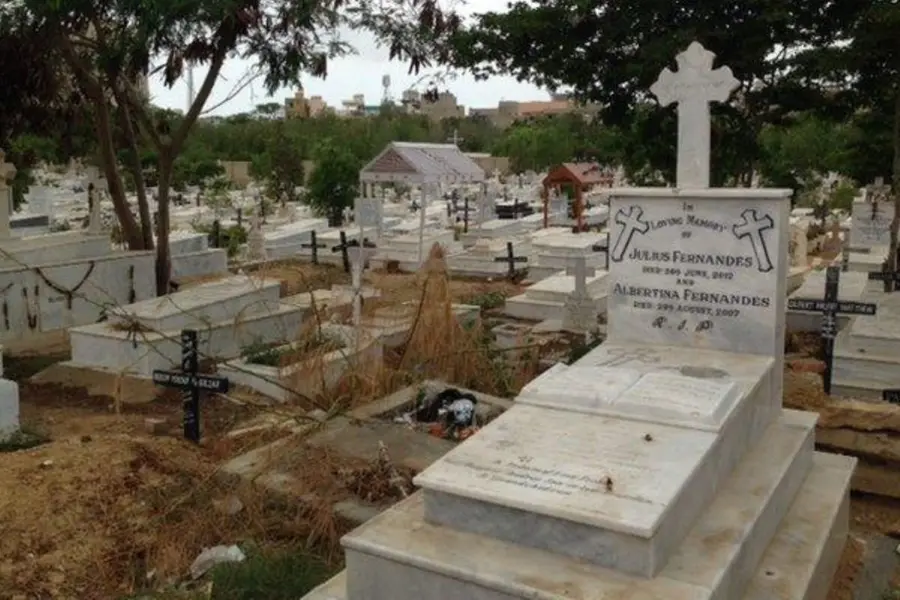
A disturbing trend of graveyards being dug up and bodies exhumed in Pakistan has brought attention to a deepening humanitarian issue: a severe shortage of burial space for minority communities in Peshawar.
Members of the Christian community say the lack of available land has made even arranging a grave for the deceased a painful ordeal.
With existing cemeteries either encroached upon or filled, families are increasingly being forced to reopen older graves to bury their loved ones.
Imran Yousaf Masih, a college lecturer, said some families have no option but to bury the dead in already congested plots or quietly reuse graves.
“In some cases, bones from older graves are removed to make space. It is deeply distressing for families,” he said.
He added that such practices can also trigger conflicts. “Relatives may object if they learn their loved one’s resting place has been disturbed. Despite this, many families feel they have no alternative.”
The city’s main Christian burial grounds, Gora, Wazir Bagh, Kohati and Nauthia graveyards, date back to before 1947 and were built for much smaller populations. Today, they are unable to meet the growing demand.
Zulfiqar Masih, a resident of University Town, said repeated appeals to authorities have yielded little result.
“We are tired of protesting and asking the government for a graveyard,” he said, adding that the crisis affects not just Christians but also Hindus and Sikhs.
According to the 2023 digital census, religious minorities make up about 3.3% of Pakistan’s population. In Khyber Pakhtunkhwa alone, the minority population stands at nearly 135,000.
Social worker Haroon Sarabdyal pointed out that despite earlier promises, including a Rs1.13 billion allocation for minority graveyards, little progress has been made.
He also raised concerns about proposed burial sites being located far from Peshawar, making access difficult and potentially unsafe.
Sarabdyal warned that the lack of proper burial facilities and representation in government could push minority communities towards public protests.
Despite multiple attempts, provincial authorities have not responded to these concerns, leaving families to grapple with a crisis that continues to raise troubling questions about dignity in death.
Published: 08 Apr 2026, 09:11 pm IST
Disclaimer: Kindly avoid objectionable, derogatory, unlawful and lewd comments, while responding to reports. Such comments are punishable under cyber laws. Please keep away from personal attacks. The opinions expressed here are the personal opinions of readers and not that of Mathrubhumi.
