
The ruling coalition has warned of sending the PTI-led provincial administration in KP packing through governor’s rule or a state of emergency
Islamabad: The Pakistan government is “seriously considering” imposing an emergency in Khyber Pakhtunkhwa (KP), citing the worsening security situation in the province and the PTI-led provincial government’s handling of terrorism, according to a report by Dawn.
The move comes amid a growing confrontation between the federal government and the Pakistan Tehreek-e-Insaf (PTI)-led KP administration over the party’s planned march to Islamabad on October 4.
The ruling coalition has warned that it could send the KP government packing through governor’s rule or a state of emergency if the provincial leadership does not call off the planned march. The PTI, however, has maintained that the protest will go ahead and has ruled out delaying the October 4 programme.
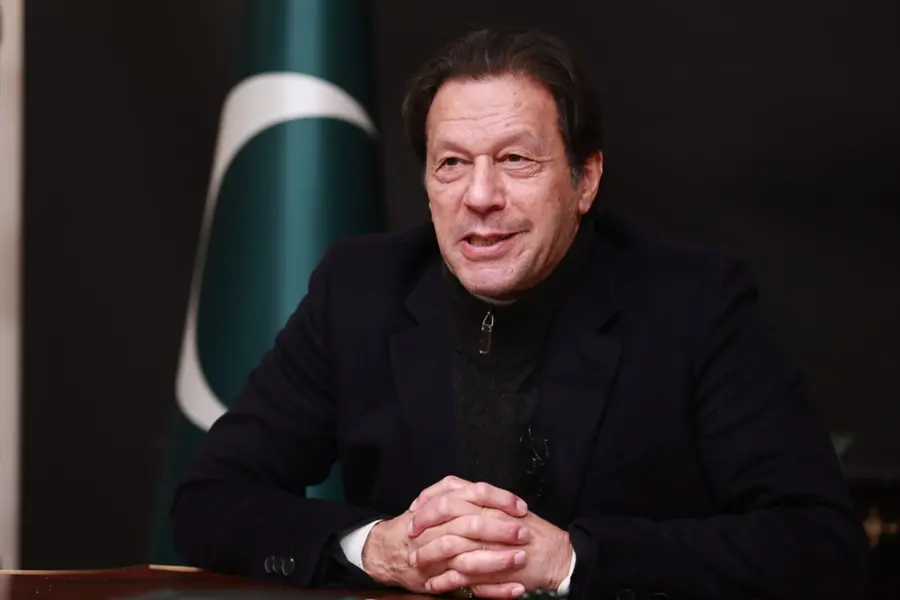
The march, which was postponed from September 27 to October 4, has been announced as part of PTI’s campaign seeking the release of its founder and former Pakistan Prime Minister Imran Khan. The dispute has now widened beyond the protest itself, with the federal government and the KP administration taking opposing positions over security, the use of provincial resources and the political role of the provincial government.
Speaking to media persons at Parliament House on Wednesday (local time), Federal Minister for Parliamentary Affairs Tariq Fazal Chaudhry said, “The provincial government’s lack of interest or success in controlling it (terrorism) is the reason for which the imposition of emergency under Article 232 is being discussed,” as reported by Dawn.
Chaudhry also expressed confidence that the ruling Pakistan Muslim League-Nawaz’s (PML-N) key coalition ally, the Pakistan Peoples Party (PPP), would back the move.
Why is the federal government considering emergency rule in KP?
The federal government has linked its consideration of Article 232 to the security situation in Khyber Pakhtunkhwa, accusing the PTI-led provincial administration of failing to adequately control terrorism and maintain law and order. The government has also warned of governor’s rule as an alternative constitutional route for removing the existing provincial administration.
At the same time, the threat has emerged against the backdrop of the PTI’s October 4 march. The federal government has objected to the planned mobilisation, while the PTI-led KP government has continued to back the protest. KP Chief Minister Sohail Afridi has said the march will proceed despite the warnings from Islamabad.
The federal government says the worsening security situation and the KP government’s alleged failure to control terrorism justify consideration of extraordinary constitutional measures. The PTI, meanwhile, maintains that its planned mobilisation is a political protest aimed at securing Imran Khan’s release and has rejected the suggestion that the march should be called off.
The disagreement has also raised questions over the extent to which a provincial government can use its political and administrative machinery in support of a protest against the federal government. Federal officials have accused the KP administration of allowing the provincial government to become involved in the planned Islamabad mobilisation, while PTI leaders have described the march as a peaceful democratic protest.
PPP’s position on possible governor’s rule
Responding to the development, PPP Secretary General Nayyar Hussain Bukhari said that if the federal administration consults his party regarding the imposition of governor’s rule in KP, the party will “give its views strictly in accordance with the Constitution and law,” according to a press release cited by Dawn.
Describing the law and order situation in the province as “deeply concerning,” Bukhari stated that while peaceful protest remains a fundamental democratic right, “attacking the state under the guise of politics” is completely unacceptable.
“The government must ensure the rule of law and take effective measures to maintain peace and security,” Dawn quoted Bukhari as stating.
He added that the PPP maintains faith in political dialogue and that national challenges can only be resolved “through meaningful political engagement.”
The PPP’s position is significant because the party is a key coalition partner of the federal government. While Bukhari has said the party would consider the issue within the constitutional and legal framework, the latest reports do not establish that the PPP has formally endorsed the imposition of emergency in KP.
The PTI has rejected calls to postpone its October 4 march. Former National Assembly speaker and senior PTI leader Asad Qaiser said there was no possibility of delaying the protest, while party leaders have argued that peaceful protest is a constitutional right.
Published: 01 Oct 2026, 09:17 am IST
ABOUT THE AUTHOR

Related Topics
Disclaimer: Kindly avoid objectionable, derogatory, unlawful and lewd comments, while responding to reports. Such comments are punishable under cyber laws. Please keep away from personal attacks. The opinions expressed here are the personal opinions of readers and not that of Mathrubhumi.