
Pakistan’s central bank warns of deep structural challenges despite short-term recovery. Persistent deficits, low savings, and weak productivity fuel a dangerous debt spiral.
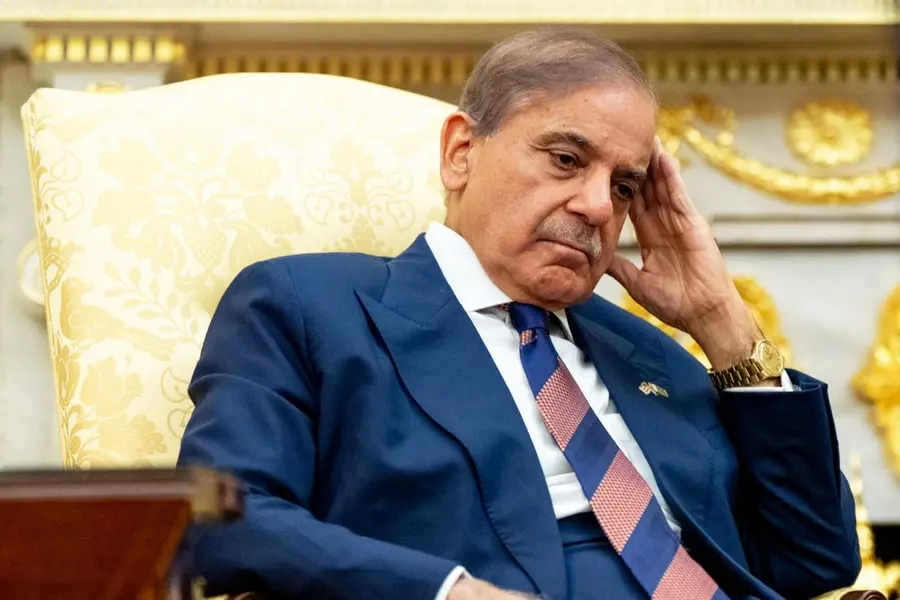
Pakistan's central bank issued stark warnings about deep-rooted structural challenges threatening the nation's long-term economic stability, even as the country shows signs of short-term recovery from years of crisis.
The State Bank of Pakistan (SBP) released its Annual Report on the State of the Economy 2024-25 on Thursday, highlighting persistent fiscal deficits, critically low domestic savings, and weak productivity that have trapped the country in what officials describe as a dangerous "debt spiral".
While Pakistan achieved modest GDP growth of 3.0% in fiscal year 2025 and recorded its first current account surplus in 14 years, the SBP emphasized that fundamental problems remain unresolved. The central bank identified low domestic savings as "one of Pakistan's most persistent weaknesses," noting that savings have fallen to among the lowest levels of comparable developing economies over the past two decades.
Why is Pakistan staring at economic collapse?
Pakistan is facing economic collapse primarily due to chronic structural weaknesses, massive debt burdens, and repeated policy failures that have compounded over decades. Persistent fiscal deficits caused by high government spending, inefficient state-owned enterprises, and excessive subsidies have left the country with insufficient revenue to cover even basic expenses.
The debt servicing alone consumes a large portion of Pakistan's budget, sometimes up to 50% or more, leaving little room for investment in development, healthcare, or education.
The nation struggles with very low domestic savings and weak productivity, resulting in slow economic growth and strong dependence on foreign borrowing and remittances.
Pakistan's external debt has risen so sharply that the country often faces foreign exchange shortages, compelling cycles of painful currency devaluation and austerity measures that never fully resolve underlying problems.
Political instability, weak governance, and frequent military involvement in the economy have further eroded the trust of citizens and investors, limiting effective reforms and deepening the crisis.
Additional factors, such as rapid population growth, inflation volatility, surge in energy and food prices, and recurring climate disasters, have exacerbated Pakistan's economic vulnerability and pushed many citizens into poverty. Despite modest gains in short-term indicators, the current trajectory offers little hope for sustained recovery without major reforms addressing these deep-rooted structural issues.
Political instability also to blame
Political instability has deeply damaged Pakistan’s economy through frequent changes in government, military interventions, and policy reversals. These disruptions undermine long-term economic planning, fuel fiscal deficits, and create a climate of uncertainty that discourages both domestic and foreign investment.
Investor confidence is particularly sensitive to political turmoil, with the Pakistan Stock Exchange routinely experiencing sharp declines during periods of governmental crisis, protests, or leadership changes. Instability has led to erratic fiscal policies and introduced inflationary pressure, driving up exchange rate volatility and increasing public debt. Governance lapses stemming from political instability have also resulted in poor management of public resources and underfunded essential services.
Impact of Climate Disasters
Frequent and severe floods -- most recently in Punjab, Sindh, and Khyber Pakhtunkhwa -- have devastated agricultural lands and livelihoods, causing over $15 billion in direct economic losses in some years. The destruction of crops like rice, cotton, and wheat has disrupted supply chains, triggered food price surges, and jeopardized the textile sector, Pakistan's largest source of foreign exchange.
Damage to housing, transport, and communications infrastructure further strains public finances and slows recovery, diverting resources from development to emergency relief. As a result, millions have been displaced, critical infrastructure remains unrepaired, and food insecurity has worsened -- undermining long-term productivity and stability.
Can Pakistan avoid economic collapse?
Pakistan must broaden its tax base and prioritize tax administration reform to enhance fiscal revenues, aiming for a credible, gradual increase in tax collection—ideally targeting an annual rise of at least 1% of GDP over the next several years. Rationalizing subsidies, particularly in the power sector, is critical to curbing fiscal deficits and eliminating inefficiencies that crowd out spending on health, education, and infrastructure.
Accelerating the reform and privatization of state-owned enterprises (SOEs), especially in energy and industry, will boost competitiveness, reduce fiscal burdens, and facilitate private investment. Strengthening coordination between federal and provincial governments will improve public spending efficiency and service delivery across sectors.
Investing robustly in education, health, family planning, and skill-building programs -- especially targeting youth and women -- will slow population growth and enable higher productivity and savings rates over the long term. Adopting stronger climate adaptation measures, such as disaster risk management frameworks, water system resilience, and green transport initiatives, is vital to safeguard economic gains against recurring climate shocks.
Published: 18 Oct 2025, 10:21 am IST
Disclaimer: Kindly avoid objectionable, derogatory, unlawful and lewd comments, while responding to reports. Such comments are punishable under cyber laws. Please keep away from personal attacks. The opinions expressed here are the personal opinions of readers and not that of Mathrubhumi.
