
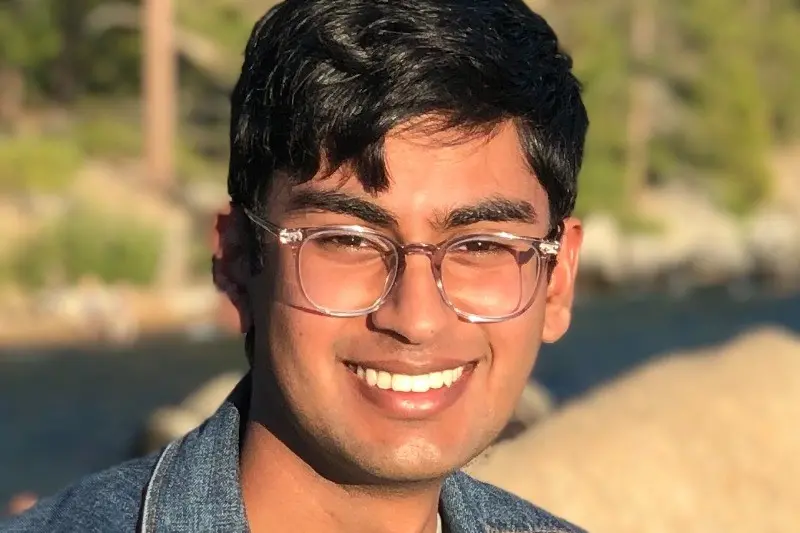
San Fransisco: Poornima Rao, mother of former OpenAI researcher and whistleblower Suchir Balaji, has made explosive claims, accusing the tech giant of involvement in her son’s death. In an interview with American commentator Tucker Carlson, she alleged that OpenAI killed her son to suppress information that he had against the company. Balaji, who had raised ethical concerns about OpenAI’s practices, was found dead in his San Francisco apartment in November.
Officials initially ruled the death a suicide, but his family has insisted that foul play was involved, demanding an FBI investigation into the matter.
Rao strongly refuted the conclusion that her son had taken his own life. She recalled the conversations with the San Francisco Office of the Chief Medical Examiner (OCME), emphasising that Balaji had been in a “happy mood” before his death.
“My son celebrated his birthday a day before he died. What more do we need to give on account that he was in a happy mood?” she said. “He even received his birthday gift from his father the same day he was later found dead,” she added.
Despite these claims, the official report indicated suicide. However, the family, through a private autopsy, challenged the cause of death, pointing to signs of a possible struggle and other suspicious evidence.
Allegations against OpenAI and missing documents
In her interview, Poornima Rao accused OpenAI of silencing witnesses and covering up the investigation.
“My son had documents against OpenAI. They attacked him and killed him,” she said.
She further claimed that some of the documents her son had against the company went missing after his death.
“Everybody is suppressed, nobody is ready to come up and tell the truth. Even the attorneys have been made to say that it is a suicide,” she added.
Elon Musk, the CEO of Tesla and SpaceX, shared Rao’s interview on his platform X, describing the situation as "extremely concerning."
Signs of foul play
In addition to challenging the suicide conclusion, Poornima Rao revealed troubling details from a private autopsy that suggested foul play. According to her, there were signs of struggle in the bathroom, and blood spots were found, indicating that her son may have been attacked.
“This was a cold-blooded murder,” Rao asserted, adding that the authorities’ handling of the case was unjust.
She called for a more thorough investigation by the Federal Bureau of Investigation (FBI), despite what she described as “lobbying in SF city” hindering proper justice.
Suchir Balaji had worked at OpenAI for nearly four years, quitting due to ethical concerns about AI technology. In October, he raised alarms about OpenAI’s handling of copyright laws, particularly its use of generative AI, which he argued was violating fair use rights.
In a post on X, Balaji explained how his concerns evolved over time.
“I initially didn’t know much about copyright, fair use, etc., but became curious after seeing all the lawsuits against GenAI companies. When I tried to understand the issue better, I eventually came to the conclusion that fair use seems like a pretty implausible defense for a lot of generative AI products.”
OpenAI’s response
Following the news of Balaji’s death, OpenAI issued a statement expressing their condolences.
“We are devastated to learn of this incredibly sad news today, and our hearts go out to Suchir’s loved ones during this difficult time,” the company said.
(Agency inputs)
Published: 17 Jan 2025, 02:33 pm IST
Related Topics
Disclaimer: Kindly avoid objectionable, derogatory, unlawful and lewd comments, while responding to reports. Such comments are punishable under cyber laws. Please keep away from personal attacks. The opinions expressed here are the personal opinions of readers and not that of Mathrubhumi.
