
Despite these diplomatic openings, the situation remains precarious at sea.
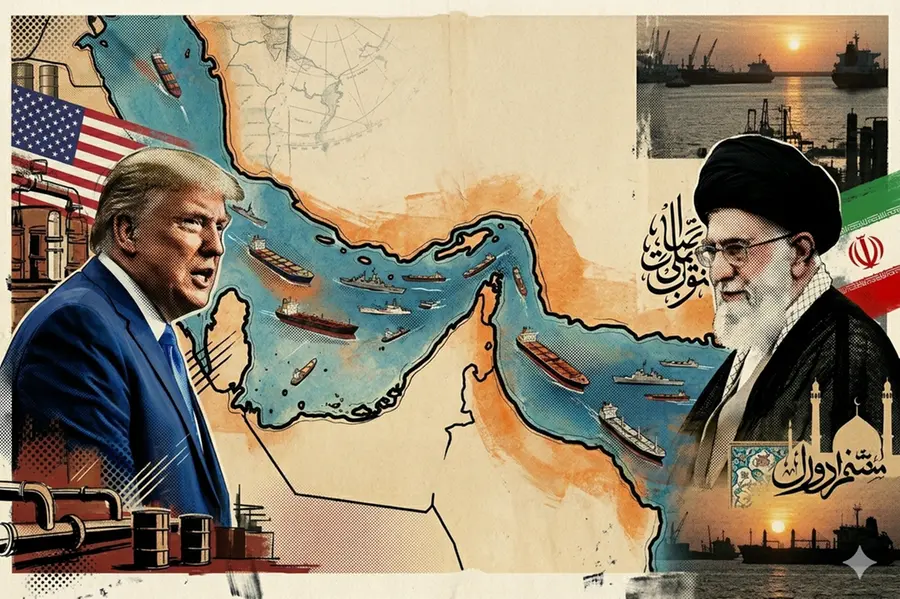
A fresh round of diplomatic negotiations between Iran and the United States is expected to commence in Islamabad on Monday.
According to Iranian officials, delegations from both nations are likely to arrive in the Pakistani capital on Sunday to participate in talks aimed at easing significant tensions in West Asia.
This diplomatic push has gained regional backing. Qatar’s Emir Sheikh Tamim bin Hamad Al Thani and Turkish President Recep Tayyip Erdogan recently met Pakistan Prime Minister Shehbaz Sharif on the sidelines of the Antalya Diplomacy Forum. The Amiri Diwan stated, “The Emir and the Turkish President commended the efforts undertaken by the Islamic Republic of Pakistan in this regard, and expressed their support for the efforts of the prime minister”.
Military diplomacy and nuclear talks
While negotiators prepare for the Islamabad summit, Pakistan’s Army Chief, General Asim Munir, arrived in Tehran to intensify efforts to revive stalled discussions. He met Iranian Parliament Speaker Mohammad Bagher Ghalibaf and Foreign Minister Abbas Araghchi.
Sources indicate these visits are part of heightened back-channel engagements focusing on Tehran’s nuclear programme. This follows the “Islamabad Peace Talks” held on 11–12 April, which served as a historic, though inconclusive, attempt to end a 39-day Gulf War between the US and Iran. Those sessions represented the first high-level, face-to-face contact between the two countries since the 1979 Islamic Revolution.
Trump announces Israel-Hezbollah ceasefire
Parallel to the Iran-US track, US President Donald Trump announced a 10-day ceasefire between Israel and Iran-backed Hezbollah. Trump confirmed he held “excellent conversations” with Lebanese President Joseph Aoun and Israeli Prime Minister Benjamin Netanyahu, stating both leaders are committed to the temporary truce as a step toward a broader resolution.
The agreement follows a period of heavy volatility and exchanges between the Israeli armed forces and Hezbollah. Officials view this ceasefire as a critical window for regional de-escalation.
Strait of Hormuz tensions persist
Despite these diplomatic openings, the situation remains precarious at sea. Tehran has issued a sharp warning that it could shut the Strait of Hormuz unless the US lifts its blockade on Iranian ports. Iranian Parliament Speaker Mohammad Bagher Ghalibaf dismissed recent comments from Donald Trump as “false”, accusing Washington of making inaccurate claims regarding the negotiations.
Ghalibaf said Iran would determine maritime conditions “on the ground” and that any transit must follow Iranian-authorised routes. Maritime traffic is already suffering, with only a handful of ships reported passing through the strategic waterway on Friday.
While US officials have hinted at progress, Iranian sources remain sceptical of claims regarding concessions. The Strait remains a vital chokepoint, with any further restriction posing a major threat to global energy flows and international trade.
Published: 18 Apr 2026, 07:05 am IST
Disclaimer: Kindly avoid objectionable, derogatory, unlawful and lewd comments, while responding to reports. Such comments are punishable under cyber laws. Please keep away from personal attacks. The opinions expressed here are the personal opinions of readers and not that of Mathrubhumi.
