
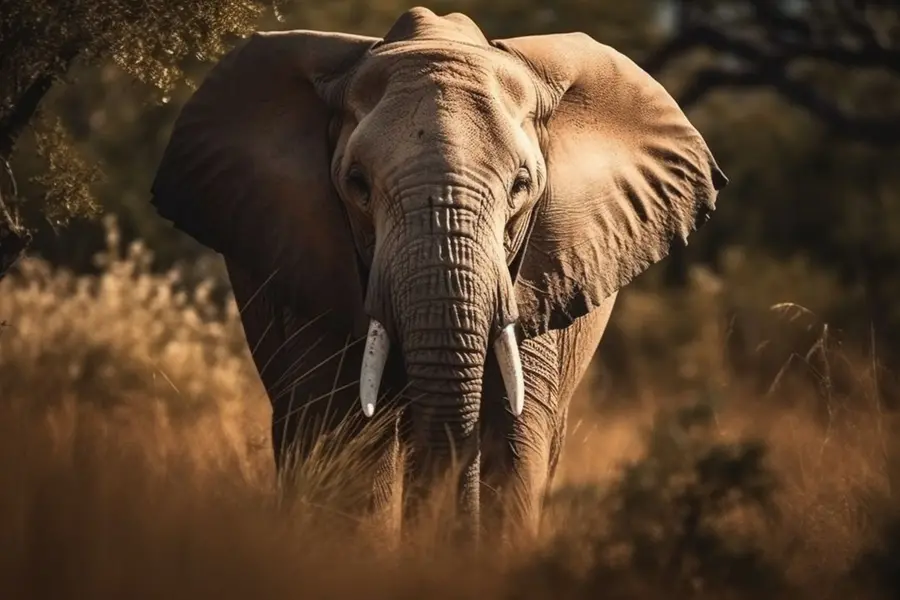
Namibia has killed over 150 wild animals to provide meat for its starving population and mitigate human-wildlife conflicts.
The United Nations reports an alarming 84% depletion of Namibia's food supply due to the drought, the worst in the country's recorded history.
To combat hunger and resolve conflicts between humans and wildlife, Namibia has identified over 700 wild animals for culling. The targeted animals include 30 hippos, 60 buffaloes, 50 impalas, 100 blue wildebeest, 300 zebras, 83 elephants and 100 eland.
This measure aims to provide temporary relief to the affected population, but concerns about the long-term impact on wildlife conservation and the ecosystem remain.
PETA Questions Logic
Non-profit People for the Ethical Treatment of Animals (PETA) has termed the Namibian government's plan as short-sighted.
As nearly half of Namibia's population struggles with hunger, the government's plan to cull hundreds of wild animals is woefully inadequate, PETA said in a letter to Namibian Prime Minister Saara Kuugongelwa-Amadhila.
The meat from these animals will barely make a dent in addressing the widespread hunger, PETA said, adding that what made the plan even more misguided was that the water sources for humans and livestock are separate from those used by wild animals in national parks.
Terming the butchering and eating wild animals, especially during a time of crisis, as reckless, PETA warned that the recent COVID-19 pandemic, along with other zoonotic diseases like SARS, HIV, and Ebola, had highlighted the dangers of consuming wild animals.
Namibia Defends Wildlife Culling
Minister Pohamba Shifeta has justified the government's decision to cull over 700 wild animals, stating that it is essential to control overpopulation and alleviate the impact of the severe drought affecting both wildlife and human communities.
Shifeta emphasized that the number of animals being culled represents less than 1% of the total wild animal population, dismissing concerns about the scale of the programme. He cited the lessons learned from the 2018 and 2019 droughts, when insufficient culling led to the deaths of nearly 5,000 animals.
The minister clarified that the culling programme serves two purposes: to reduce the population and prevent human-wildlife conflict, as well as to provide food for affected communities. He added that the ministry will collaborate with hunters to carry out the culling and assist with storage logistics.
Anant Ambani's Vantara Makes an Offer
Vantara Foundation, operated by billionaire Mukesh Ambani's son Anant, has offered provide shelter to the animals who have been marked.
Through a letter to the Namibian Embassy in India, Vantara has expressed its intention to collaborate with the government and local organizations to halt the animal culling. The foundation is confident that, together, they can provide a new lease on life to these animals. Although a response from the embassy is pending, Vantara remains hopeful about saving the animals.
Published: 06 Sept 2024, 10:12 am IST
Related Topics
Disclaimer: Kindly avoid objectionable, derogatory, unlawful and lewd comments, while responding to reports. Such comments are punishable under cyber laws. Please keep away from personal attacks. The opinions expressed here are the personal opinions of readers and not that of Mathrubhumi.
