
Dubbed by some observers as the "World Cup government," the incoming administration will manage billions of dollars in infrastructure investments leading up to the 2030 FIFA World Cup, which Morocco is co-hosting.
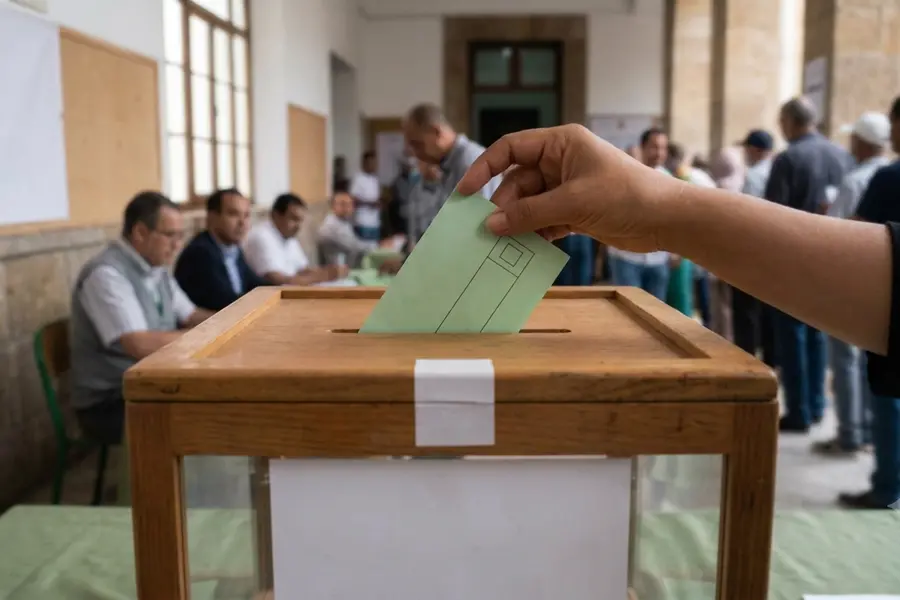
Casablanca: Voting is underway across Morocco as citizens cast their ballots in a parliamentary election marked by rising youth discontent, high unemployment despite economic growth, and widespread calls for improvements in public education, healthcare, and housing.
Polling stations across the North African nation opened at 8:00 a.m. and will close at 7:00 p.m. local time, giving roughly 16 million registered voters the opportunity to choose members for the 395-seat House of Representatives. Official results are anticipated on Thursday.
This election is the first nationwide vote following deadly youth-led demonstrations nearly a year ago and a tragic attempt by migrants to cross Morocco’s northern border into the Spanish enclave of Ceuta, which resulted in dozens of deaths.
The newly elected parliament will determine the country's next prime minister and governing coalition, working in tandem with the Moroccan monarchy, which retains definitive power over major national and strategic affairs.
Dubbed by some observers as the "World Cup government," the incoming administration will manage billions of dollars in infrastructure investments leading up to the 2030 FIFA World Cup, which Morocco is co-hosting. At the same time, it will face intense public pressure to address domestic issues such as inflation, stagnant wages, and job opportunities.
Skepticism remains high among the youth. Amid growing doubts over whether the political process can bring tangible economic relief, many young Moroccans have taken to public protests, considered emigration, or opted out of voting entirely. Voter registration has dropped by 9.7% compared to the 2021 general election despite overall population growth, signaling potential turnout challenges.
A total of 7,288 candidates representing 27 political parties are competing in the race. Under the Moroccan Constitution, the king appoints the prime minister from the political party that secures the highest number of parliamentary seats. Because no single party is likely to achieve an absolute majority, the winning party will have to forge a coalition with rival factions.
Several opposition groups have disengaged from the process. The far-left Democratic Path party called for a boycott, declaring that the election "lacks the minimum conditions of democracy." Similar criticisms were leveled by Al-Adl Wal Ihsane, an officially banned but tolerated Islamist organization.
Meanwhile, Moroccans residing abroad face logistical hurdles. Although the constitution guarantees their right to vote, no postal voting or polling facilities exist at Moroccan consulates overseas. Overseas citizens must either travel back to Morocco or arrange for a registered representative to cast a proxy vote on their behalf.
Despite Wednesday being a regular workday, steady streams of voters gathered at polling places in major cities like Rabat and Casablanca as doors opened.
Among those casting a ballot in Casablanca was 63-year-old retired banker Jamal Aamar, who voted for the left-wing coalition Federation of the Democratic Left. Aamar emphasized that taking part in the electoral process was vital to having a say in the nation's future.
“If you boycott, you will leave others an empty seat,” he said. (AP)
Published: 23 Sept 2026, 06:07 pm IST
Disclaimer: Kindly avoid objectionable, derogatory, unlawful and lewd comments, while responding to reports. Such comments are punishable under cyber laws. Please keep away from personal attacks. The opinions expressed here are the personal opinions of readers and not that of Mathrubhumi.
