
The conflict is already more intense than last year’s Israel-Iran war
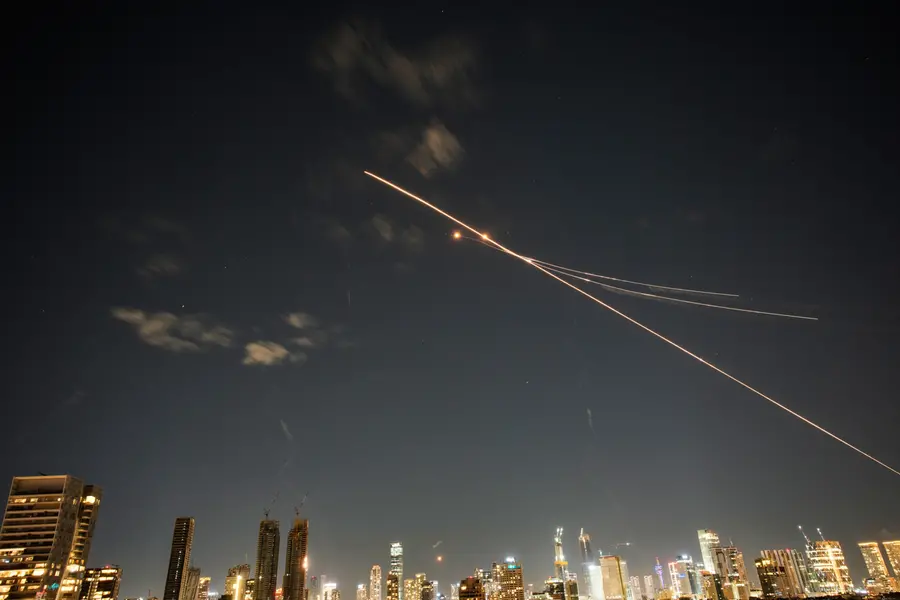
The world is keenly observing developments in the Middle East following a series of seismic shifts that have pushed the region to the brink of a wider war. Coordinated weekend strikes by the United States and Israel have killed Iran's Supreme Leader, Ayatollah Ali Khamenei, alongside dozens of other senior figures. This unprecedented escalation has ignited a furious Iranian response, resulting in the first reported U.S. military deaths and casualties across Israel and the Gulf nations.
Coordinated strikes decapitate Iranian leadership
The 86-year-old Khamenei was killed when his compound was bombed on Saturday morning. The operation, which followed weeks of tracking Iranian leaders, targeted ballistic missile sites, naval headquarters, and warships. While Iran claims the Natanz nuclear enrichment site was also hit, the U.S. and Israel have not officially acknowledged a strike there, though Israel confirmed it is targeting “leadership and nuclear infrastructure”.
Israel has pledged “nonstop” strikes, at one point deploying 100 fighter jets simultaneously over Tehran. These events echo last year’s 12-day war, which followed an Israeli attack that disrupted nuclear talks—a pattern repeated this week as strikes occurred just two days after the latest U.S.-Iran negotiations.
Power vacuum in Tehran
For the first time since 1989, the Islamic Republic must choose a new Supreme Leader. Khamenei had no designated successor, leaving a three-member leadership council to manage the transition. Foreign Minister Abbas Araghchi has stated a new leader would be chosen in “one or two days”.
On the streets, the mood is complex; scattered celebrations have been reported, though tight internet restrictions have made monitoring the internal situation difficult. While U.S. President Donald Trump has urged Iranians to seize the moment and overthrow the theocracy, there is currently no sign of a widespread uprising.
Regional retaliation and US casualties
Tehran’s military has struck back by targeting Israel and U.S. bases in the region. The U.S. military confirmed three service members were killed, marking the first known American casualties of the conflict. In Lebanon, Hezbollah launched missiles across the border for the first time in over a year, prompting retaliatory Israeli strikes.
The violence has spilled into neighbouring Gulf states. Iranian strikes have killed people in the United Arab Emirates and Kuwait, while hundreds of flights have been disrupted at some of the world’s busiest aviation hubs, including Dubai. Saudi Arabia, having intercepted attacks, has summoned the Iranian ambassador, as top diplomats from six Gulf states asserted their “right to self-defense”.
Global economic shockwaves and nuclear fears
The conflict has sent immediate ripples through the global economy. Oil prices rose sharply as traders grew concerned over supplies from the Strait of Hormuz, the world’s most critical oil chokepoint. In an attempt to stabilise the market, eight OPEC+ countries announced they would boost crude production.
Diplomatic tensions remain high. Some members of the U.S. Congress have protested the launch of strikes without congressional authorisation, even as Washington signals a long-term willingness to talk to Iran’s future leaders. Meanwhile, the International Atomic Energy Agency (IAEA) is set to meet to discuss the status of Iran’s nuclear programme, which Washington claims was being rebuilt in recent months despite Tehran’s denials. All eyes now remain on further military strikes and the potential for increased activity from Iranian-backed proxies, such as the Houthi rebels in Yemen
Published: 02 Mar 2026, 07:20 pm IST
Disclaimer: Kindly avoid objectionable, derogatory, unlawful and lewd comments, while responding to reports. Such comments are punishable under cyber laws. Please keep away from personal attacks. The opinions expressed here are the personal opinions of readers and not that of Mathrubhumi.
