
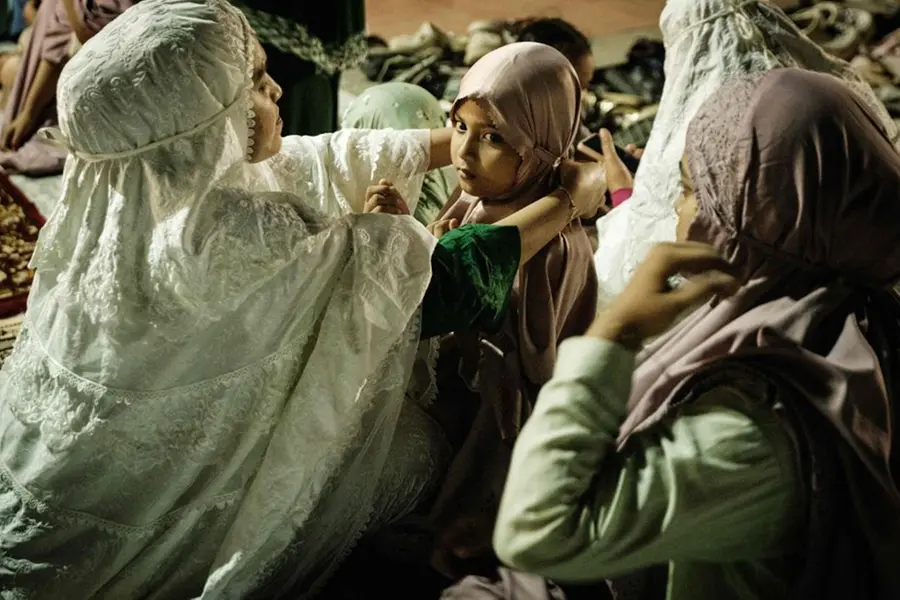
Jakarta: Muslims across Indonesia are embracing the festive spirit of Ramadan, which began on Saturday, with shopping for new clothes, preparing sweets, and taking part in traditional celebrations.
As the world’s largest Muslim-majority nation marks the holy month, activities range from lively nighttime parades to family gatherings for pre-dawn breakfasts and elaborate evening meals known as “iftars.”
In the sprawling archipelago of 17,000 islands, each region has its own unique way of observing Ramadan.
This month-long period, during which Muslims refrain from eating, drinking, smoking, and sexual intercourse from sunrise to sunset, is an occasion for reflection, spiritual growth, and community bonding. Even a sip of water or a puff of smoke can invalidate the fast, with families and friends coming together at night in a festive atmosphere to break their fast.
Religious Affairs Minister Nasaruddin Umar confirmed the start of Ramadan on Friday after the crescent moon was sighted by Islamic astronomy observers in Aceh, the westernmost province of Indonesia.
Following the announcement, mosques across the country were filled with worshippers offering the evening “tarawih” prayers. At Jakarta’s Istiqlal Grand Mosque, Southeast Asia’s largest mosque, tens of thousands of worshippers gathered shoulder-to-shoulder.

The act of fasting is intended to bring Muslims closer to God and remind them of the struggles faced by the poor. During Ramadan, there is an emphasis on daily prayers, heightened religious reflection, and refraining from gossip, fighting, or swearing.
Samsul Anwar, his wife, and their 8-year-old nephew were among hundreds of people in Tangerang, a city near Jakarta, taking part in a torchlight parade on Wednesday. The parade, a tradition passed down through generations, featured torches, flares, and Islamic songs accompanied by the beat of rebana, an Arabic percussion instrument.
“Every year we welcome Ramadan with a tradition that has been passed down from generation to generation,” Anwar said. The parade also featured the vibrant “barongsai,” or lion dance, performed by Chinese Indonesian communities, symbolising unity between Muslim and Chinese religious communities.
Ramadan is also a busy time for businesses. Hotels, restaurants, and cafes offer special promotions, while shoppers flock to malls for new clothes and decorations for Eid al-Fitr, which marks the end of Ramadan. Children traditionally receive new clothes and gifts.
However, many Indonesians are concerned about the financial strain of Ramadan this year, as rising prices are affecting their ability to fully participate in the festivities. “Everything to do with cooking is rising (in cost) day by day,” said Asih Mulyawati, a mother of two from Tangerang. “I worry this situation will impact Ramadan celebrations.”
Despite the soaring food prices, markets like Tanah Abang in Jakarta remain busy, with shoppers purchasing clothes, shoes, cookies, and sweets for the holiday. Indonesia’s Trade Ministry has noted sharp increases in the prices of imported staple foods, such as wheat, sugar, beef, and soybeans, due to global commodity price hikes and supply chain disruptions.
But it’s not just imported goods that are seeing price hikes. Local commodities like rice, eggs, chili, palm oil, and onions have also become more expensive. Many Indonesians blame the government for the rising costs of gas and electricity.
“The current gloomy economic situation and extreme weather recently also contribute to the soaring prices and the weakening of people's purchasing power,” said Heru Tatok, a trader at Jakarta’s Pasar Senen market.
Published: 01 Mar 2025, 12:56 pm IST
Disclaimer: Kindly avoid objectionable, derogatory, unlawful and lewd comments, while responding to reports. Such comments are punishable under cyber laws. Please keep away from personal attacks. The opinions expressed here are the personal opinions of readers and not that of Mathrubhumi.