
Kataeb Hezbollah prolongs its halt on strikes targeting the US embassy in Baghdad by five days, even as fresh attacks underline ongoing regional tensions.
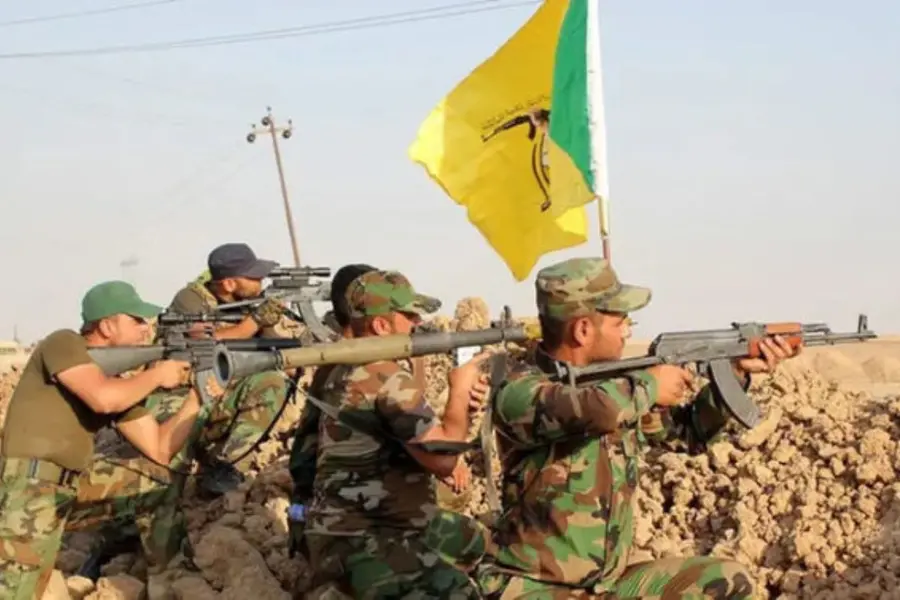
An Iran-backed armed group in Iraq has extended its pause on attacks targeting the United States embassy in Baghdad, signalling a temporary easing of tensions even as the wider Middle East conflict continues to escalate.
Kataeb Hezbollah announced on Monday that it would prolong its self-declared suspension of attacks by an additional five days.
The group had initially declared a halt last week, setting conditions that included an end to strikes on civilian areas in Iraq as well as Beirut’s southern suburbs, a stronghold of Lebanon’s Hezbollah.
In a statement, the group said the “deadline” for what it referred to as the “American embassy” had been extended, warning that it would respond to any violations. It also indicated that its actions would be coordinated through a mediator, suggesting ongoing backchannel communication aimed at preventing further escalation.
The decision comes against the backdrop of heightened regional tensions following US-Israeli strikes on Iran on February 28, which have triggered a broader confrontation involving Iran-aligned groups across the region.
Since the conflict intensified, pro-Iran militias have claimed responsibility for near-daily attacks on US-linked targets in Iraq and elsewhere, while also facing retaliatory strikes.
Despite the announced pause, violence has continued. Overnight strikes were reported targeting a US diplomatic and logistics facility near Baghdad International Airport.
Separately, three strikes late Sunday hit areas south of the Iraqi capital, with local authorities saying the targets were positions linked to the Popular Mobilisation Forces (PMF), also known as Hashed al-Shaabi.
A Kataeb Hezbollah official, speaking on condition of anonymity, confirmed that the group had been among those targeted in the recent strikes, underscoring the fragile nature of the pause.
Iraq, which hosts both US forces and Iran-backed militias, has increasingly found itself caught in the crossfire of the broader regional conflict.
The government has repeatedly sought to avoid being drawn deeper into the confrontation, even as attacks on its soil continue.
The extension of the pause offers a brief window for de-escalation, but the continued exchanges of strikes suggest that tensions remain high and the situation on the ground remains volatile.
Published: 23 Mar 2026, 06:45 am IST
Related Topics
Disclaimer: Kindly avoid objectionable, derogatory, unlawful and lewd comments, while responding to reports. Such comments are punishable under cyber laws. Please keep away from personal attacks. The opinions expressed here are the personal opinions of readers and not that of Mathrubhumi.
