
Prime Minister Sanae Takaichi’s consideration of revising one of Japan’s Three Non-Nuclear Principles has reignited debate over the country’s post-war security identity.
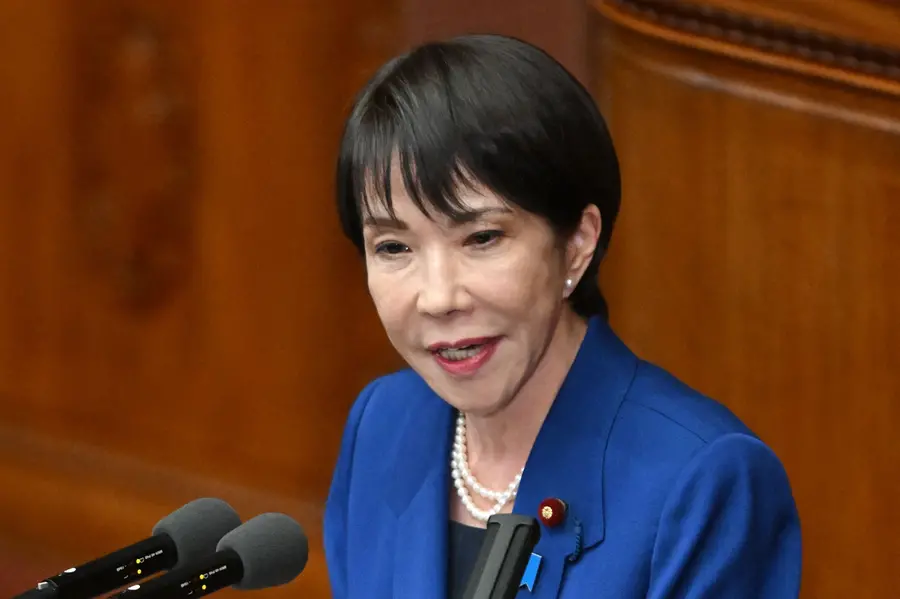
Tokyo: Japan’s long-standing commitment to its Three Non-Nuclear Principles has come under renewed scrutiny as Prime Minister Sanae Takaichi considers revising part of the decades-old policy, prompting concern at home and abroad.
A pillar of Japan’s post-war identity
The Three Non-Nuclear Principles – pledges not to possess, produce or permit the entry of nuclear weapons into Japanese territory – were first articulated in 1967 by then-Prime Minister Eisaku Satō during a session of the Diet. Over time, they became widely regarded as a moral and political foundation of Japan’s post-war security identity, particularly in light of the country’s experience of atomic bombings.
Successive governments have treated the principles as a national credo, and public support has consistently remained strong.
Takaichi eyes change to one principle
According to reporting from Kyodo News, cited by Xinhua, Takaichi is weighing adjustments to the third principle – the prohibition on introducing nuclear weapons into Japan’s territory – as part of ongoing work to update Japan’s National Security Strategy and two related defence documents, last overhauled in 2022.
The current strategy states: "The basic policy of adhering to the Three Non-Nuclear Principles will remain unchanged in the future."
Government sources told Kyodo that while Takaichi does not plan to alter Japan’s commitments to neither possess nor produce nuclear weapons, she believes the ban on nuclear weapons entering Japan could complicate port visits by US vessels that may carry such arms. Critics say she argues this could weaken the effectiveness of Washington’s nuclear deterrence.
Critics warn of domestic and global fallout
Any shift to the principles would mark a major departure from Japan’s established defence posture and, observers warn, would trigger significant public and international backlash.
During a recent hearing of the Lower House Budget Committee, Takaichi declined to clarify whether her security policies would remain aligned with the long-observed principles, further fuelling political debate.
An editorial in the Asahi Shimbun stressed that, as the only nation to have suffered nuclear attacks, Japan has upheld the Three Non-Nuclear Principles as a core policy with broad public approval. The editorial warned that such a deeply rooted stance must not be altered on the basis of a single leader’s judgement, stating that Takaichi should understand that the policy of adhering to the Three Non-Nuclear Principles can not be rashly changed by hasty judgment of the prime minister.
(With inputs from IANS)
Published: 16 Nov 2025, 08:01 am IST
Related Topics
Disclaimer: Kindly avoid objectionable, derogatory, unlawful and lewd comments, while responding to reports. Such comments are punishable under cyber laws. Please keep away from personal attacks. The opinions expressed here are the personal opinions of readers and not that of Mathrubhumi.
