
More than 120 flights have been cancelled across Japan as Tropical Storms Mekkhala and Higos bring heavy rain, strong winds and the threat of flooding over the weekend.
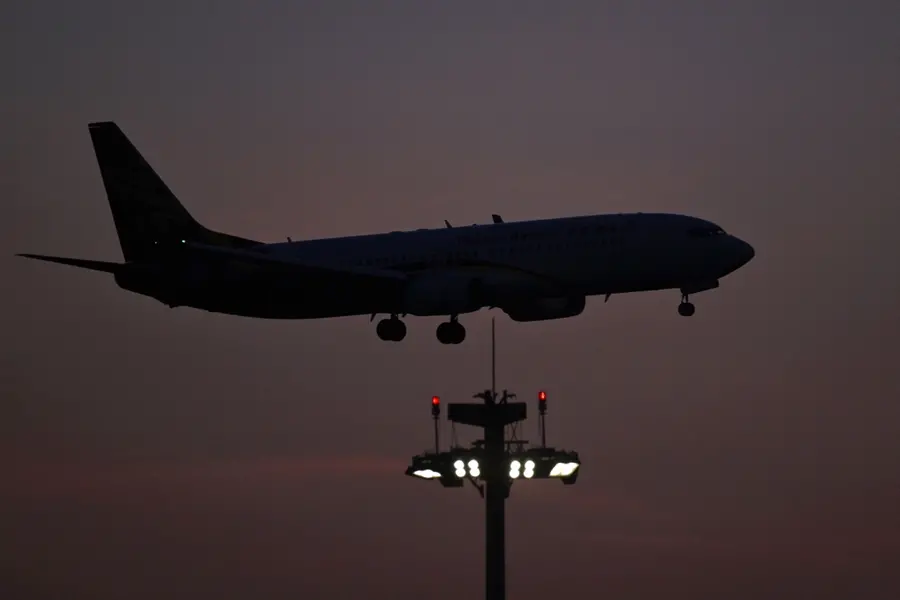
Severe weather caused by two approaching tropical storms has disrupted air travel across Japan, forcing airlines to cancel at least 120 domestic flights and affecting thousands of passengers. The disruptions are expected to continue through the weekend as authorities monitor the movement of the two storm systems and warn of worsening weather conditions.
Japan's two largest airlines, Japan Airlines (JAL) and All Nippon Airways (ANA) cancelled flights mainly to and from the southern prefectures of Okinawa and Kagoshima, where heavy rain and strong winds have made flying conditions unsafe.
The flight cancellations come at the start of what could be a challenging weekend for travellers, with weather forecasters warning that more disruptions are possible if conditions deteriorate.
Military flight postponed
The bad weather has affected more than just commercial aviation. Japan's military postponed the maiden flight of a V-22 Osprey transport aircraft to Miyako Island, which was scheduled as part of joint military exercises with the United States.
The decision reflects the seriousness of the weather situation, as aviation authorities continue to prioritise safety over maintaining flight schedules.
Airports brace for further delays
While airports remain operational, aviation officials are closely monitoring weather conditions as the storms move closer to the Japanese mainland. Strong crosswinds, poor visibility and heavy rainfall can significantly affect aircraft operations, particularly during take-off and landing. Airlines are expected to continue reviewing schedules based on the latest weather forecasts, and passengers have been advised to check their flight status before travelling.
Weather-related disruptions can also have a ripple effect, as delayed aircraft and crew scheduling challenges often impact flights across an airline's wider network.
Two storms moving towards Japan
The aviation disruptions are being caused by Tropical Storm Mekkhala, which was earlier classified as a typhoon before weakening slightly, and Tropical Storm Higos, which is currently moving across the Pacific Ocean. Although Mekkhala has weakened, it continues to produce powerful wind gusts of up to 108 kmph and intense rainfall.
The storm is expected to pass close to the islands of Kyushu, Shikoku and Honshu, bringing heavy rain to major cities including Osaka, Nagoya and Tokyo over the weekend. Meteorologists are also closely watching the interaction between the two storm systems.
A rare weather phenomenon
Weather experts say the two tropical storms could produce what is known as the Fujiwhara Effect, a rare phenomenon in which two nearby storms begin to interact with each other. When this happens, predicting the exact path, speed and strength of either storm becomes far more difficult, creating additional challenges for airlines, airports and emergency authorities.
This uncertainty means airlines may have to make operational decisions at short notice depending on how the weather develops.
Millions warned as heavy rain triggers flood risk
Beyond aviation, the storms have created widespread safety concerns across Japan. More than one million residents have been advised to evacuate from areas vulnerable to flooding and landslides as rivers continue to rise following days of heavy rainfall.
Government officials confirmed that four people have been injured, including one person seriously hurt, while dozens of buildings have already been flooded, particularly in Kagoshima Prefecture.
Authorities in Osaka and Kyoto have also warned residents to remain alert as water levels continue to rise.
Before approaching Japan, Tropical Storm Mekkhala brought torrential rain to Taiwan, causing floods and landslides across several regions. More than 1,600 people were evacuated from their homes, while schools and government offices were closed in affected areas.
The storm claimed at least two lives, with one person still reported missing. Some areas received nearly 88 centimetres of rainfall within two days, triggering dangerous flooding and debris flows.
Safety first in aviation
Extreme weather remains one of the biggest operational challenges for airlines worldwide. Although flight cancellations are inconvenient for passengers, aviation experts emphasise that suspending operations during severe weather is often the safest course of action. Strong winds, lightning, heavy rain and poor visibility can all affect aircraft operations, making precautionary cancellations essential.
With weather forecasts indicating continued instability over Japan during the coming days, airlines are expected to keep a close watch on conditions and make further schedule adjustments if required.
For now, passengers travelling within Japan are being urged to stay updated through their airlines, while emergency authorities continue monitoring the twin storms and preparing for any further impact.
Published: 26 Jun 2026, 09:31 pm IST
Related Topics
Disclaimer: Kindly avoid objectionable, derogatory, unlawful and lewd comments, while responding to reports. Such comments are punishable under cyber laws. Please keep away from personal attacks. The opinions expressed here are the personal opinions of readers and not that of Mathrubhumi.
