
David's acceptance, initiated by a simple offering, paved the way for Goodall to witness groundbreaking behaviors
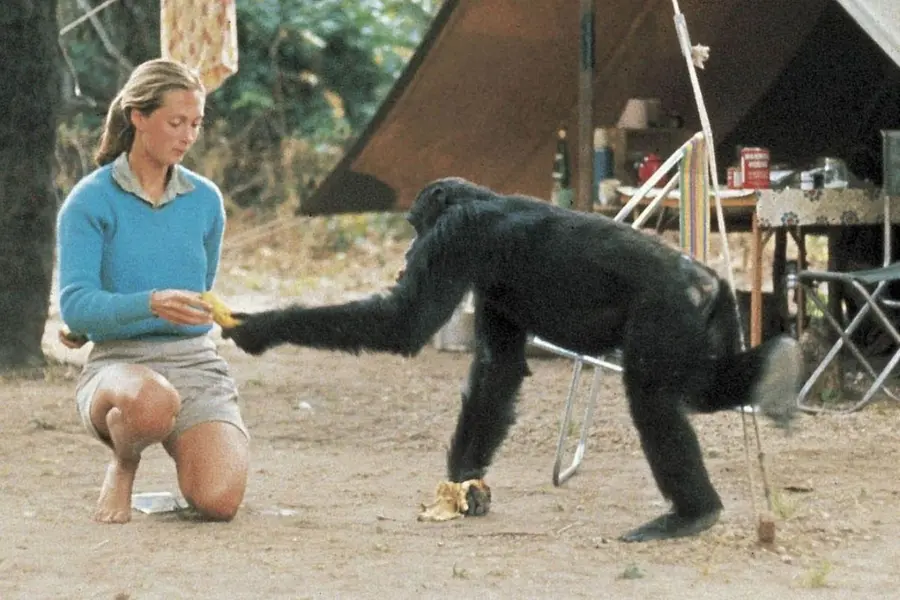
Jane Goodall, who has passed away at the age of 91, revolutionised our understanding of animal intelligence through a unique bond with a wild chimpanzee named David Greybeard, whom she often called her favourite chimpanzee. Their story began in 1960 in Tanzania’s Gombe Stream National Park, when David Greybeard overcame his fear of humans and allowed Goodall close enough to begin her unprecedented observations.
A Bond That Broke Barriers
Also Read

After months of frustration and observation, Goodall finally connected with David Greybeard by offering him a red palm nut, a simple gesture that led to deep mutual acceptance. He became the first chimpanzee to lose his fear of the strange human, allowing Goodall to become part of chimpanzee society and observe their lives intimately. Thanks to David Greybeard, Goodall could approach other chimps, ultimately gaining unprecedented access to behaviours that earlier scientists had only speculated about. David’s gentle disposition and trust not only helped Goodall’s research but also made him a beloved figure among his peers in the chimpanzee community.
The Discovery That Redefined Humanity
The world’s collective understanding of animal intelligence was shaken when Goodall witnessed David Greybeard performing a remarkable act: fishing for termites with a stalk of grass, using a tool. This event was historic; until then, it was believed that tool use was unique to humans. Soon, other chimpanzees like Goliath repeated the feat, and David Greybeard further demonstrated invention by stripping leaves off twigs for more efficient termite fishing, a rudimentary phase of toolmaking. This led Goodall’s mentor, Louis Leakey, to declare, “We must now redefine man, redefine tool, or accept chimpanzees as human!”
These moments, centred around David Greybeard, marked a revolutionary shift in primatology and our understanding of the animal kingdom, highlighting the deep connection and intelligence shared between humans and chimpanzees.
Published: 02 Oct 2025, 08:02 am IST
Related Topics
Disclaimer: Kindly avoid objectionable, derogatory, unlawful and lewd comments, while responding to reports. Such comments are punishable under cyber laws. Please keep away from personal attacks. The opinions expressed here are the personal opinions of readers and not that of Mathrubhumi.