
In a major development, Israel and Hamas have agreed to pause the ongoing conflict in Gaza, with a ceasefire deal brokered by Qatar, Egypt, and the U.S. The agreement, set to take effect on Sunday, promises to release dozens of hostages from both sides and provide humanitarian aid to Gaza. Prime Minister of Qatar, Sheikh Mohammed bin Abdulrahman Al Thani, warned that the ceasefire's success relies on both parties acting in good faith.
Hostage Releases and Humanitarian Aid
The deal outlines the release of Palestinian prisoners held in Israel and Israeli hostages held by Hamas. Over six weeks, 33 of the nearly 100 hostages are expected to be freed. Humanitarian aid, including food and medical supplies, will flow into Gaza. However, the exact number of displaced Palestinians who will be able to return home remains uncertain.
International Diplomacy and Domestic Politics
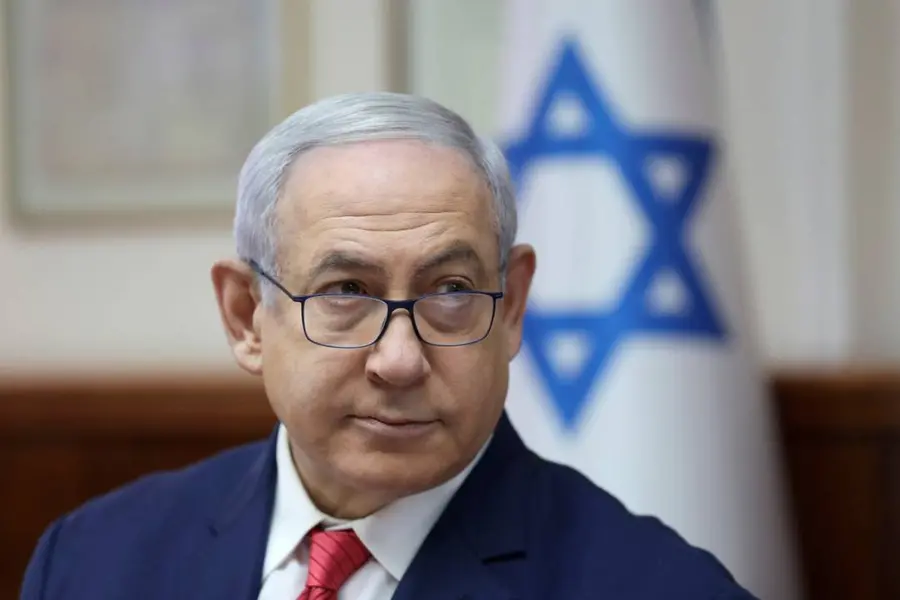
U.S. President Joe Biden praised the deal, attributing it to months of diplomatic efforts. Israeli Prime Minister Benjamin Netanyahu, while acknowledging the agreement, stated that final details are still being worked out. Netanyahu’s response may reflect political pressures from hard-line factions in his government. In Israel, demonstrators gathered in Tel Aviv, calling for the completion of the deal.
Phases of the Ceasefire
The ceasefire deal is structured in three phases: the first involves a six-week halt to fighting, with the release of hostages and humanitarian aid. The second phase will focus on the release of all remaining hostages and the withdrawal of Israeli forces from Gaza. The final phase will commence reconstruction efforts in Gaza, but questions remain regarding the future governance of the territory.
Domestic Impact in Israel and Gaza
In Gaza, the ceasefire announcement has sparked celebrations among locals like Abed Radwan, a displaced Palestinian who expressed hope for returning home. In Israel, families of hostages, like Sharone Lifschitz, remain cautious, unsure whether the deal will result in their loved ones’ release.
Long-Term Questions Loom
Despite the ceasefire, significant questions remain about the future of Gaza, its governance, and potential for reconstruction. Hamas, while celebrating the deal, has demanded a permanent end to the war and full Israeli withdrawal. Israel has yet to clarify whether this ceasefire will result in a full troop withdrawal or a lasting peace.
Israeli Prime Minister Benjamin Netanyahu said late Wednesday that a ceasefire agreement with Hamas is still not complete and the final details are being worked out.
Netanyahu's statement came hours after the United States and Qatar announced the deal, which would pause the devastating 15-month war in Gaza and clear the way for dozens of hostages to go home. The conflict has destabilized the Middle East and sparked worldwide protests.
Large crowds of joyful Palestinians took to the streets in Gaza when the agreement was announced, cheering and honking car horns.
“No one can feel the feeling that we are experiencing now, an indescribable, indescribable feeling,” said Mahmoud Wadi in central Gaza’s Deir al-Balah before joining a chanting crowd.
The Israel Hamas-war has killed more than 46,000 Palestinians in Gaza, according to health authorities there. The Health Ministry does not distinguish between fighters and civilians, but says women and children make up more than half the fatalities.
Israel’s war against Hamas in Gaza began on Oct. 7, 2023, when militants stormed into southern Israel and killed about 1,200 people and abducted around 250. A third of the 100 hostages still held in Gaza are believed to be dead.
With AP inputs
Published: 16 Jan 2025, 06:26 am IST
Disclaimer: Kindly avoid objectionable, derogatory, unlawful and lewd comments, while responding to reports. Such comments are punishable under cyber laws. Please keep away from personal attacks. The opinions expressed here are the personal opinions of readers and not that of Mathrubhumi.
