
Rafael Grossi says the UN nuclear watchdog has found no reconstruction activity since June 2025, but urges Tehran to allow inspectors back into damaged facilities and verify its uranium stockpile.
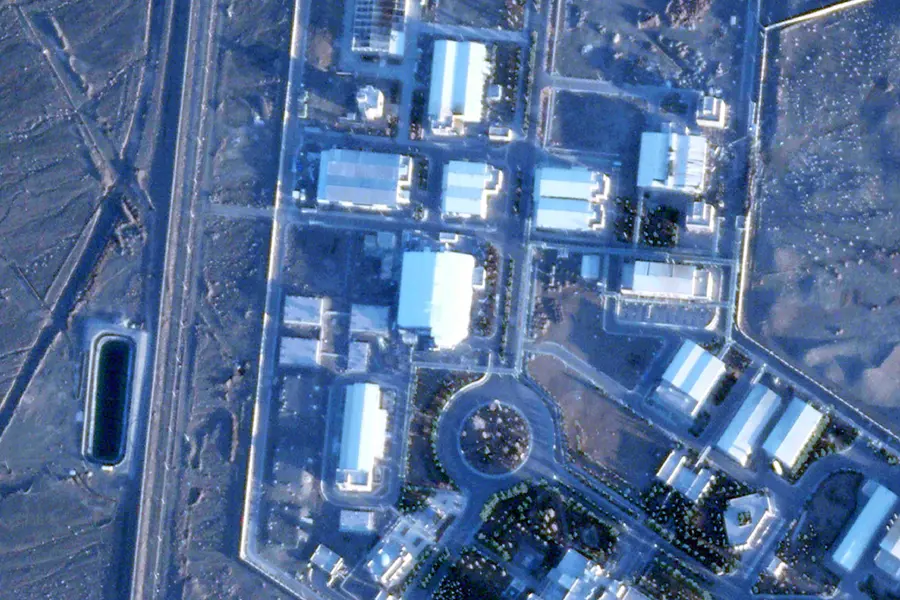
The UN nuclear watchdog has found no indication that Iran has attempted to repair or rebuild nuclear facilities damaged in US and Israeli military strikes in 2025 and 2026, International Atomic Energy Agency (IAEA) chief Rafael Grossi told the UN Security Council on Tuesday.
“Since June 2025, we have not identified any activity to repair or reconstruct any of the facilities damaged in the military attacks of 2025 and 2026,” Grossi said during the meeting.
However, he called on Tehran to restore inspectors’ access to all its nuclear sites, including those hit in the attacks. The IAEA has been unable to verify the status of Iran’s stockpile of highly enriched uranium since the United States bombed Iranian nuclear facilities in June 2025.
IAEA seeks access to Iran’s nuclear facilities
The latest remarks come amid renewed international scrutiny of Iran’s nuclear programme following the US-Israeli strikes and the war that began on February 28, 2026.
US President Donald Trump has said preventing Iran from developing nuclear weapons was a major reason for the war. He has also repeatedly claimed that US strikes on Iranian nuclear sites in June 2025 “obliterated” the country’s atomic programme.
Iran maintains that its nuclear programme is intended for peaceful purposes. However, the IAEA has reported that the country possesses 440.9 kilograms (972 pounds) of uranium enriched to 60% purity — a level considerably above that required for most civilian nuclear applications and technically close to the 90% enrichment level generally associated with weapons-grade uranium.
Without access to the relevant facilities and nuclear material, the agency cannot independently establish the current status of the stockpile.
UN Security Council meeting follows referral of Iran
The Security Council meeting was convened by Bahrain, Denmark, Latvia, France, the United Kingdom and the United States after the IAEA referred Iran to the council over its failure to comply with nuclear non-proliferation obligations.
Russia and China, both allies of Tehran, unsuccessfully attempted to block the meeting.
Under the Nuclear Non-Proliferation Treaty, Iran is required to declare its nuclear material and activities and allow IAEA inspectors to verify that the material is not being diverted from peaceful purposes.
Iran accuses US and Israel of aggression
Iran’s deputy ambassador to the UN, Gholamhossein Darzi, criticised the Security Council for what he described as its silence over the US-Israeli attacks.
He condemned the strikes as “wars of aggression against Iran” and accused Washington of committing war crimes against the Iranian people.
Darzi did not directly address the IAEA’s unanswered questions or its demand for renewed access to Iranian nuclear sites. Instead, he questioned the focus on Iran while pointing to Israel’s nuclear capabilities.
“Israel possesses nuclear weapons, yet your concern is the absence of inspectors in Iran,” he said.
Israel has never officially confirmed that it possesses nuclear weapons.
US presses Tehran to answer IAEA questions
US Ambassador to the UN Mike Waltz defended the agency’s demands and accused Iran of failing to meet its international obligations.
“We’ve heard tireless allegations against the United States,” Waltz said. “What we have not heard today is an explanation for Iran’s continued failure to satisfy its safeguard obligations.”
He urged Tehran to respond to the IAEA’s outstanding questions, saying the agency had asked Iran to provide answers.
With AP inputs
Published: 28 Oct 2026, 08:40 am IST
ABOUT THE AUTHOR

Related Topics
Disclaimer: Kindly avoid objectionable, derogatory, unlawful and lewd comments, while responding to reports. Such comments are punishable under cyber laws. Please keep away from personal attacks. The opinions expressed here are the personal opinions of readers and not that of Mathrubhumi.