
Spokesman Esmaeil Baghaei told Al Jazeera and state media that craters were found near Fordow, Natanz, and Isfahan after US, Israeli strikes
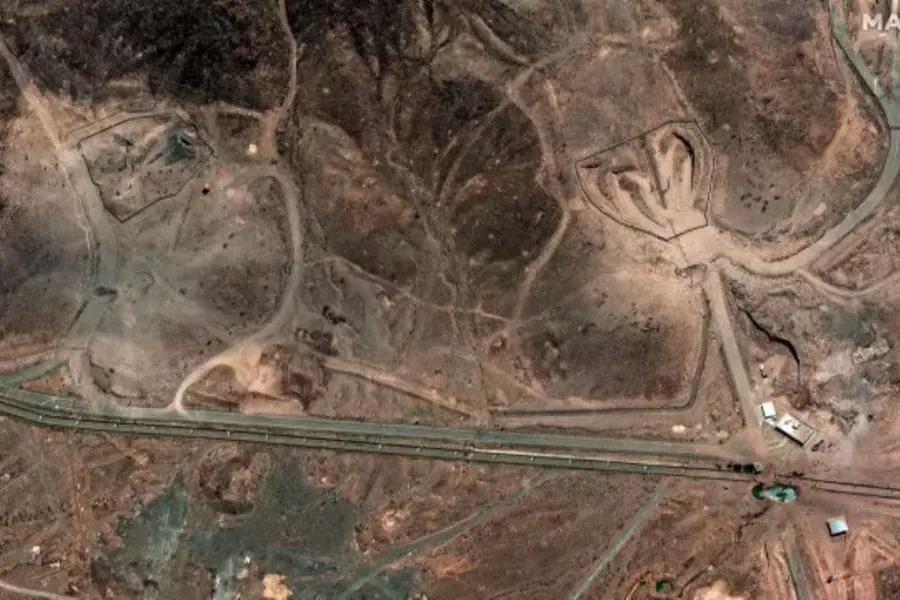
Tehran: Iran’s Foreign Ministry has, for the first time, acknowledged that its nuclear installations were “badly damaged” following precision airstrikes conducted by the United States and Israel earlier this week.
Spokesman Esmaeil Baghaei told Al Jazeera and state media: “Yes, our nuclear installations have been badly damaged… that’s for sure because they have come under repeated attacks.” His remarks confirm earlier satellite evidence showing craters near Fordow, Natanz, and Isfahan
On June 22, US B‑2 stealth bombers dropped massive 30,000‑lb bunker‑buster bombs, and US Navy submarines launched Tomahawk cruise missiles in Operation Midnight Hammer, targeting the Fordow Uranium Enrichment Plant, the Natanz Nuclear Facility, and the Isfahan Nuclear Technology Center
US President Trump hailed the operation as a “spectacular military success,” asserting that Iran’s nuclear programme had been “obliterated”.
However, early US intelligence assessments—leaked by the Defense Intelligence Agency—indicate that while the sites were damaged, the underground infrastructure and stockpiles of enriched uranium survived, and the program was set back by merely “a few months,” not completely destroyed.
The White House has strongly disputed this, dismissing the leak as “fake news” and reiterating the President’s “obliteration” claim.
Satellite imagery has corroborated visible damage: entrances to Fordow appear obstructed, and debris is scattered at Natanz and Isfahan. In response, Tehran’s Deputy Foreign Minister Saeed Khatibzadeh demanded Washington pay reparations, warning Iran would petition the United Nations if compensation isn’t forthcoming.
Meanwhile, Iran’s parliament is fast‑tracking legislation to suspend cooperation with the International Atomic Energy Agency (IAEA), complicating international efforts to assess the damage. The strikes notably paved the way for a cease‑fire—brokered by President Trump—between Iran and Israel after 12 days of intense conflict.
Yet, deep divisions remain: Tehran condemns the strikes as a breach of international law, warning of potential retaliation which could hit the US personnel or disrupt shipping through the Strait of Hormuz.
As global leaders discuss scaling up defense measures at the NATO summit, questions loom about the long‑term impact of the strikes: will this action actually hinder Iran's nuclear program, or simply drive it further underground and stall non-proliferation diplomacy?
Published: 25 Jun 2025, 08:21 pm IST
Related Topics
Disclaimer: Kindly avoid objectionable, derogatory, unlawful and lewd comments, while responding to reports. Such comments are punishable under cyber laws. Please keep away from personal attacks. The opinions expressed here are the personal opinions of readers and not that of Mathrubhumi.
