
Naypyidaw, Myanmar: The Government of India has successfully secured the repatriation of 283 Indian nationals from Myanmar after they were duped into cyber fraud syndicates operating along the Myanmar-Thailand border.
These individuals were flown back on Monday, by an Indian Air Force (IAF) aircraft from Mae Sot, Thailand, in a mission coordinated by Indian embassies in Yangon and Bangkok.
The job scam network: How Indians were trapped
According to the Ministry of External Affairs (MEA), these individuals were victims of transnational job scams, where criminal syndicates lured job seekers with fraudulent employment offers in Southeast Asia. Upon arrival, they were forced to engage in online fraud, cyber scams, and financial crimes targeting victims worldwide.
Many were educated and English-speaking professionals, deceived with promises of high salaries. Upon arrival in Myanmar, their passports were confiscated, and they were subjected to forced labour and inhumane conditions. Victims who refused to comply were reportedly beaten, starved, and tortured with electric shocks.
The Indian government has been issuing warnings about such rackets, urging job seekers to verify foreign employers through Indian missions abroad before accepting overseas job offers.
India’s response and humanitarian repatriation efforts
India has been actively working with Myanmar and Thailand to repatriate its citizens caught in these networks. The recent operation follows a series of rescues, including:
- December 2024: Six Indians were rescued from job scam centres in Myanmar’s Myawaddy region.
- July 2024 – March 2025: A total of 101 Indians repatriated from scam compounds in Myanmar.
"We reiterate our caution to Indian nationals about such fraudulent job offers. Always verify recruitment agencies and employers before accepting foreign employment," the MEA stated.
Larger crisis: Thousands still trapped in Myanmar’s cyber scam camps
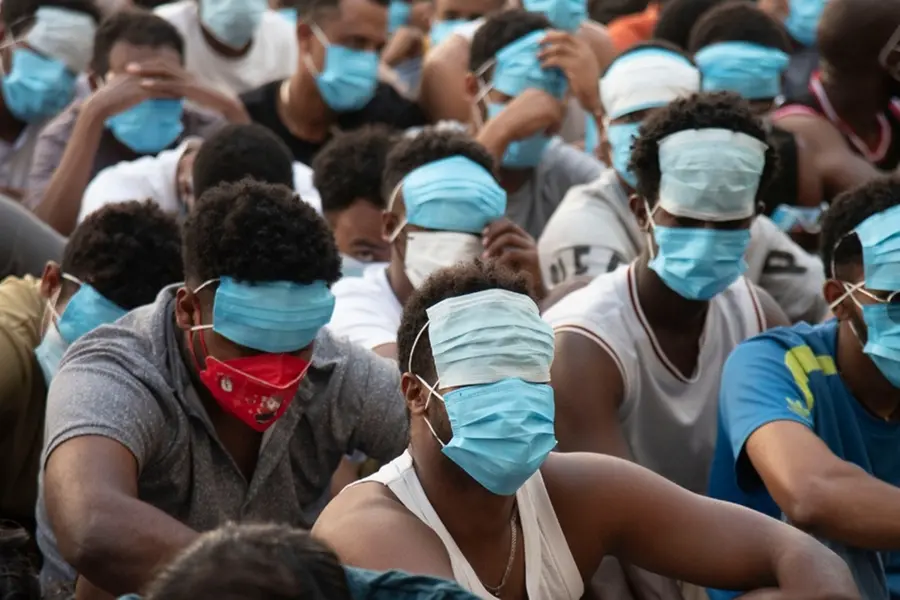
The human trafficking crisis in Myanmar has escalated into a humanitarian emergency. Reports indicate that over 7,000 individuals from multiple countries, including India, the Philippines, Ethiopia, and Kenya, remain trapped in detention centres or militia-controlled scam compounds in Myanmar.
- Survivors who have escaped describe horrific conditions in these facilities.
- Limited food, overcrowded rooms, and inadequate medical care are widespread.
- Many detainees lack financial resources to secure their repatriation.
According to Amy Miller, director of Acts of Mercy International,
"You can literally see victims trapped in compounds, but we cannot reach them. The numbers are overwhelming."
Despite international rescue efforts, cyber scam syndicates continue to flourish under Myanmar’s armed groups:
- Kayin Border Guard Force (BGF) and Democratic Kayin Buddhist Army (DKBA) control many scam centres.
- Chinese pressure led Myanmar to crack down on some networks, but traffickers adapted using generators and Starlink internet.
- Myanmar officials linked to the crisis—such as General Saw Chit Thu—have been sanctioned by the EU and UK for profiting from human trafficking.
India’s latest repatriation mission marks another step in securing justice and safety for trafficked nationals, but thousands remain trapped in Southeast Asia’s scam compounds. While China has expedited its repatriation efforts, other nations, including India, Ethiopia, and Indonesia, continue to face bureaucratic and logistical challenges.
The Indian government has reiterated its warnings against falling for fake job offers and continues to push for international cooperation to combat cybercrime-driven human trafficking.
(ANI inputs included)
Published: 11 Mar 2025, 08:15 am IST
Related Topics
Disclaimer: Kindly avoid objectionable, derogatory, unlawful and lewd comments, while responding to reports. Such comments are punishable under cyber laws. Please keep away from personal attacks. The opinions expressed here are the personal opinions of readers and not that of Mathrubhumi.
