
Following a series of fatal ICE encounters, organisers are launching a two-day national shutdown and mass protests demanding accountability, reform and the removal of ICE from local communities.
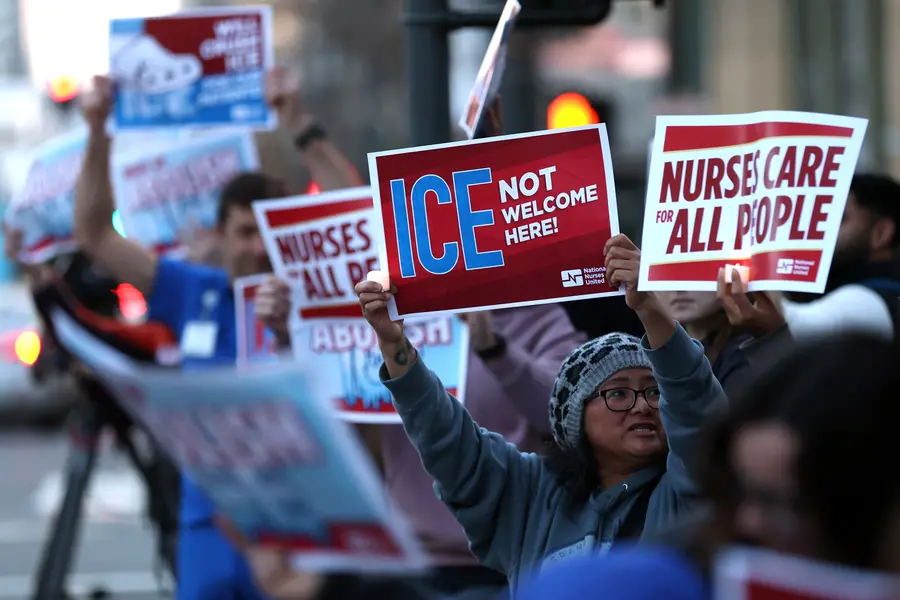
A nationwide wave of walkouts, shutdowns and demonstrations is set to sweep across the United States on 30 and 31 January, as grassroots organisers mount an escalating response to an intensifying immigration enforcement crackdown. The back-to-back actions – a student-led “national shutdown” on Friday, followed by a nationwide mobilisation demanding “ICE Out of Everywhere” on Saturday – come amid mounting public anger over a string of deaths linked to Immigration and Customs Enforcement (ICE) operations this year.
At least eight people have died in incidents connected to ICE since 1 January, including high-profile cases in Minneapolis that have triggered widespread outrage. Organisers say the twin days of action represent a decisive moment for communities demanding accountability and the dismantling of ICE’s presence in towns and cities across the country.
Public pressure has surged in recent weeks, fuelled by viral footage of deadly altercations, mass protests in Minneapolis, and a notable shift in national polling showing rising support for abolishing the agency.
Below is what to expect across the two days.
Why organisers are calling a national strike
The dual actions aim to highlight fatal encounters, detentions and alleged abuses tied to ICE and Customs and Border Protection. While public attention has focused largely on Minneapolis, activists are also drawing attention to lesser-known cases, including the death of Cuban immigrant Geraldo Lunas Campos in ICE custody in El Paso on 3 January, the detention of five-year-old Liam Ramos in Minnesota, and the New Year’s Eve killing of Keith Porter Jr in Los Angeles.
The national advocacy group 50501, a key force behind Saturday’s mobilisation, says public sentiment has reached a tipping point. Coordinators argue that outrage is no longer confined to activist circles and that people who previously avoided political engagement are now joining calls for sweeping reform.
Last week’s mass shutdown in Minneapolis – where thousands marched and hundreds of businesses closed on 23 January – has become a key catalyst for this weekend’s broader mobilisation.
What Friday’s ‘national shutdown’ will involve
Friday’s action is being driven largely by student organisations at the University of Minnesota, including the Somali Student Association, Black Student Union and the Graduate Labor Union. They are urging students nationwide to join coordinated walkouts as part of what organisers describe as a “general strike”.
Their message is clear: “No work. No school. No shopping. Stop funding ICE.” The intention, organisers say, is to hit economic activity while signalling widespread public dissent.
Celebrities have amplified the message on social media this week. Ariana Grande shared an infographic supporting the strike, while actor Pedro Pascal posted drawings of victims with the caption: “Pretti Good reason for a national strike.”
What Saturday’s ‘ICE Out of Everywhere’ protests will look like
The second day of action will see demonstrations in all 50 states and Washington DC. Organisers plan rallies at ICE field offices, detention centres and airports contracted to transport detainees. Airlines including Global Crossing Airlines and World Atlantic Airlines are expected to be among those targeted.
50501 also intends to confront members of Congress who have supported Department of Homeland Security (DHS) funding or moves expanding ICE’s authority. Lawmakers identified by organisers include Henry Cuellar, Vicente Gonzalez, Don Davis, Laura Gillen, Tom Suozzi, Jared Golden and Marie Gluesenkamp Perez.
The group is demanding a freeze on DHS funding until ICE is dismantled and is pushing for legislation to cut federal-local co-operation. This week, Senate Majority Leader Chuck Schumer called for new restrictions requiring agents to wear body cameras and to stop using masks, ahead of negotiations to avert a partial federal shutdown.
In Florida, vigils and protests are planned at the Alligator Alcatraz detention facility and at the Sarasota school board, following a resolution urging schools to co-operate with ICE. Local organisers say they are continuing long-standing “rapid response” networks against immigration raids.
Additional pressure campaigns: hotels, businesses and boycotts
Beyond street protests, activists are rolling out economic disruption strategies targeting the wider infrastructure around immigration enforcement.
One effort, dubbed “No Housing for ICE”, urges hotels to stop accommodating ICE, CBP or DHS personnel. Supporters are being encouraged to pressure properties through phone calls, online reviews, demonstrations and mass reservation cancellations. The tactic builds on previous actions in Los Angeles and Minneapolis, where crowds have gathered outside hotels hosting agents.
Another initiative, #DontServeICE, calls on local businesses – from restaurants to petrol stations – to refuse service to ICE officers. Organisers are also urging chambers of commerce to adopt non-cooperation pledges and pushing consumers to boycott companies seen as supporting immigration enforcement operations.
In Washington DC, the group Free DC plans protests at all the city’s Target stores after employees at a Minnesota-area Target were detained in a confrontation that went viral earlier this month.
Why anti-ICE protests are intensifying nationwide
Tensions over federal immigration enforcement have grown steadily over the past decade, but the past year has seen a marked escalation. Communities across the US – from Los Angeles and New York to Milwaukee and Oklahoma City – have staged marches, sit-ins and vigils against aggressive tactics, deportations and deadly encounters.
January’s fatal incidents in Minneapolis, combined with a surge of local immigration operations, have galvanised a new wave of resistance. In many cities, protests have continued despite freezing temperatures, significant police presence and ongoing federal activity.
Organisers say this weekend’s demonstrations are part of a longer campaign. After Saturday’s National Day of Action, activists plan to join an “Impeach Trump National Day of Lobbying” on 17 February, with sustained actions expected in the months ahead.
Published: 30 Jan 2026, 08:16 am IST
Related Topics
Disclaimer: Kindly avoid objectionable, derogatory, unlawful and lewd comments, while responding to reports. Such comments are punishable under cyber laws. Please keep away from personal attacks. The opinions expressed here are the personal opinions of readers and not that of Mathrubhumi.
