
Hajj 2025 begins in Mecca as pilgrims brave extreme heat and enhanced safety measures
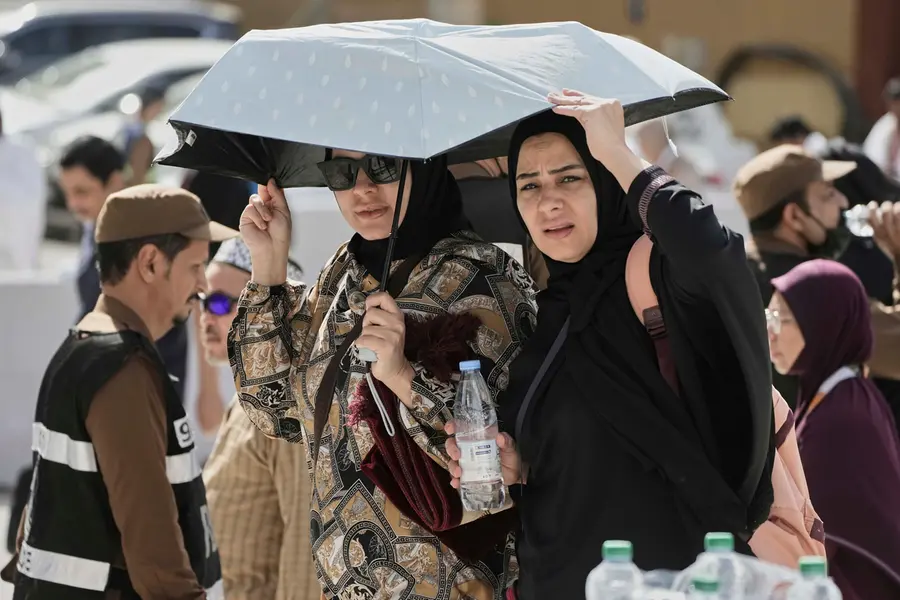
Jeddah: The annual Hajj pilgrimage commenced Wednesday, June 4, with over a million Muslim pilgrims gathering in Mecca to perform the Tawaf — the ritual of circling the Kaaba — amid soaring temperatures expected to exceed 40°C (104°F).
This year’s pilgrimage follows last year's deadly heatwave, when over 1,301 pilgrims died as temperatures reached a record 51.8°C (125.2°F). The Saudi government has since deployed major safety enhancements to prevent another mass casualty event.
Pilgrims arrive under strict regulation
Around 1.4 million pilgrims have arrived in Saudi Arabia for the multi-day spiritual journey, one of the five pillars of Islam. Before performing rites, pilgrims enter a state of ihram, donning simple white garments symbolising unity and humility. From Mecca’s Grand Mosque, they proceed to Mina, a sprawling tent city that serves as a staging area before the climactic prayers at Mount Arafat.
Saudi authorities have introduced the following safety measures:
- 50,000 square metres of extra shade
- 400+ cooling units
- Thousands of additional medics
- AI and drone surveillance to monitor crowd movement and health risks
- Over 250,000 officials from 40 agencies are involved in crowd control and emergency response.
Clampdown on unregistered pilgrims
Officials say most of last year’s heat-related deaths involved unregistered pilgrims who lacked access to air-conditioned tents, medical support, or proper transportation. This year, the Saudi government has tightened enforcement, using raids, drones, and SMS alerts to discourage unauthorised participation.
The Hajj operates on a quota-based permit system, but high costs and limited access often push some to perform the pilgrimage unofficially, risking arrest or deportation.
High stakes for the Kingdom
Hajj is not only a sacred duty but also an economic pillar for Saudi Arabia, generating billions annually alongside the lesser pilgrimage, Umrah.
Past tragedies underscore the logistical challenge of managing such vast crowds. In 2015, a stampede in Mina killed an estimated 2,300 people in the deadliest recorded Hajj disaster.
As the pilgrimage proceeds under scorching conditions, Saudi Arabia is hoping its upgraded infrastructure and technology will ensure a safer Hajj for all.
(With AFP inputs)
Published: 04 Jun 2025, 09:34 am IST
Related Topics
Disclaimer: Kindly avoid objectionable, derogatory, unlawful and lewd comments, while responding to reports. Such comments are punishable under cyber laws. Please keep away from personal attacks. The opinions expressed here are the personal opinions of readers and not that of Mathrubhumi.
