
Washington: The Indian community in the US, heavily reliant on H-1B visas, is grappling with uncertainty, anxiety, and life-altering challenges as immigration policies tighten and the green card backlog grows.
The H-1B visa programme has long been a cornerstone for US companies to hire highly skilled foreign workers in specialised fields like technology, engineering, and healthcare. It is especially popular among Indian professionals, who make up over 70% of H-1B visa holders. While the programme provides a pathway for career advancement and the pursuit of the American Dream, it comes with significant challenges, including job insecurity, visa renewal anxieties, and long waits for permanent residency.
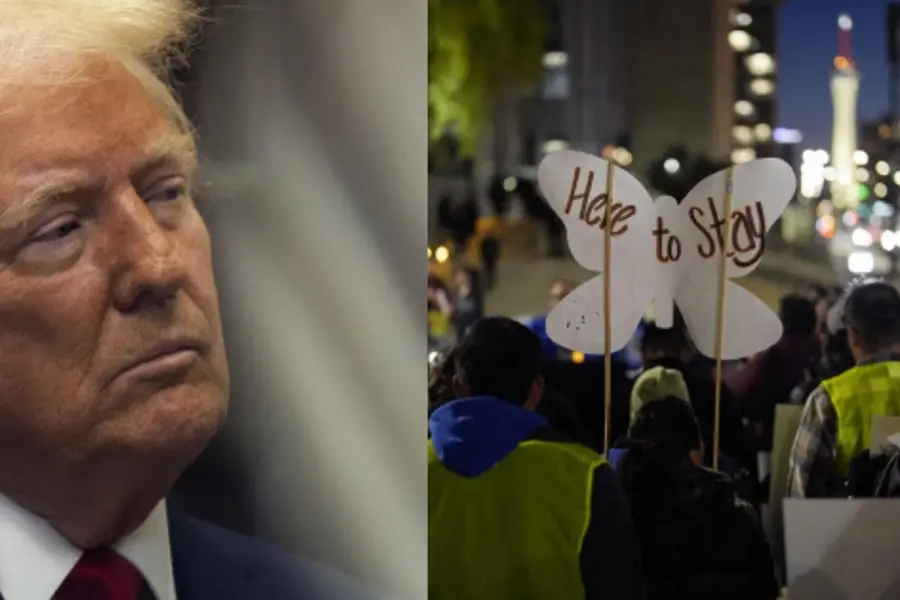
Under the Trump administration, these challenges have worsened. A recent executive order by former President Donald Trump has removed birthright citizenship for children born in the US to parents on temporary visas, including H-1B. This policy change means that children of H-1B holders, even if born on US soil, will no longer automatically gain US citizenship unless one parent is a US citizen or a green card holder. The decision has far-reaching implications for thousands of Indian families, further compounding the stress of living and working in the US under temporary visa conditions.

Impact of Trump’s Order
Trump’s decision to end birthright citizenship for children of temporary visa holders has created additional stress for Indian families. This policy, which reinterprets the 14th Amendment of the US Constitution, has been criticised by legal experts and human rights organisations as unconstitutional. If implemented, it could render children of H-1B visa holders stateless, denying them access to essential benefits and opportunities.
The order has also sparked legal challenges and widespread criticism, with organisations like the American Civil Liberties Union (ACLU) warning of the long-term consequences for immigrant families. Critics argue that this policy, alongside Trump’s broader stance on immigration, reflects a discriminatory approach that undermines the contributions of skilled immigrants to the US economy.
Challenges faced by Indian H-1B holders
For many Indian professionals, the H-1B visa process is fraught with uncertainty. The visa is granted for an initial three years, with a possible extension of another three years. However, the process of renewing or transferring the visa is complex and restrictive, often leaving individuals feeling trapped in their jobs. Losing employment means they must find a new job within 60 days or leave the US, creating constant anxiety.
The green card backlog is another pressing issue. Over a million Indians are waiting for permanent residency, with some facing delays of more than a decade. This prolonged wait prevents families from achieving stability, investing in homes, or fully integrating into American society. Many live minimally, avoiding significant financial or emotional commitments, fearing they may have to leave the US abruptly.
Mental Health and Social Impact
The uncertainties tied to the H-1B visa system have taken a toll on the mental health of many Indian professionals. Social media platforms like Reddit have become spaces for individuals to share their struggles with depression, anxiety, and the emotional strain of being separated from loved ones. Stories of missing critical family events, such as funerals, due to visa restrictions are common, highlighting the personal sacrifices made to maintain their status in the US.
Some H-1B holders have expressed frustration over the system's rigidity, describing their lives as an endless cycle of waiting—for visa renewals, job security, and green cards. The fear of uprooting their families and losing years of effort adds to the psychological burden.
The Way Forward
The H-1B visa system remains a vital yet deeply flawed mechanism for attracting global talent. For Indian professionals, it offers opportunities but demands significant sacrifices. Policymakers must address the systemic issues within the programme, including the green card backlog and restrictive visa conditions, to ensure a fairer and more humane system.
As debates over immigration policies continue, the experiences of H-1B visa holders highlight the need for reforms that balance national interests with the well-being of those who contribute significantly to the US economy and society.
Published: 22 Jan 2025, 09:57 am IST
Related Topics
Disclaimer: Kindly avoid objectionable, derogatory, unlawful and lewd comments, while responding to reports. Such comments are punishable under cyber laws. Please keep away from personal attacks. The opinions expressed here are the personal opinions of readers and not that of Mathrubhumi.