
An ageing population and shrinking workforce are pushing Germany to recruit young Indian talent across sectors.
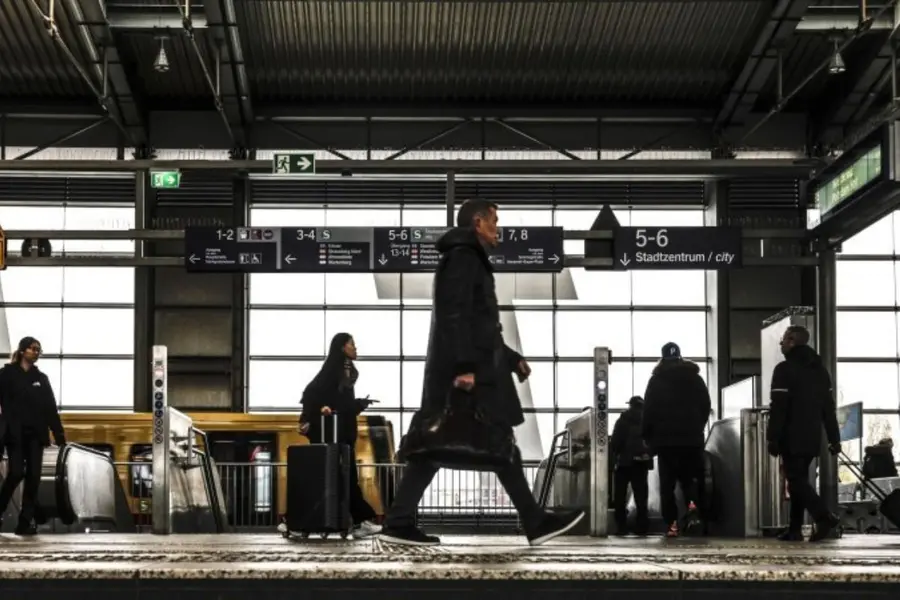
Germany, Europe’s largest economy, is confronting a structural labour shortage driven by an ageing population and the steady retirement of its “baby boomer” generation.
With fewer young people entering the workforce, industries ranging from healthcare and engineering to traditional trades like butchery and baking are struggling to find workers. Increasingly, the country is looking beyond its borders, particularly to India, to bridge this widening gap.
The scale of the problem is significant. According to a 2024 study by the Bertelsmann Foundation, Germany needs to attract around 288,000 foreign workers annually to sustain its workforce.
Without such inflows, the country’s labour pool could shrink by 10% by 2040. The shortage is already visible across sectors, with employers reporting difficulties in hiring even for essential roles.
The roots of this crisis lie in Germany’s demographic trends. Low birth rates over decades have resulted in fewer young people entering the labour market, while a large cohort of older workers is now retiring.
This imbalance has left businesses scrambling for talent, particularly in vocational and skilled trades that younger Germans are increasingly reluctant to pursue.
It was against this backdrop that an unusual collaboration began in 2021. Henrik von Ungern-Sternberg, then working with a chamber representing skilled trades in southwest Germany, received an email from Indian employment agency Magic Billion.
The message offered a pool of “young, motivated people” seeking vocational training opportunities.
At the time, German employers were already struggling.
“We had a lot of desperate employers who couldn’t find anyone to work for them,” von Ungern-Sternberg later said. Seeing an opportunity, he decided to test the idea.
One of the first sectors to benefit was butchery, a trade in steep decline. Germany had around 19,000 small, family-run butcher shops in 2002, but fewer than 11,000 remained by 2021. The work is physically demanding, and younger Germans have largely moved toward other careers, leaving businesses unable to recruit apprentices.
Through the partnership, an initial group of 13 young Indians arrived in Germany in 2022 to begin apprenticeships.
Their success has since expanded into a broader movement. Von Ungern-Sternberg went on to co-found an employment agency, India Works, which has helped bring around 200 Indian workers into German butcher shops alone.
The initiative has since widened to include other trades. In 2026, India Works plans to bring 775 Indian trainees to Germany, covering professions such as road construction, mechanics, stonemasonry, and baking.
This reflects a growing recognition that the labour shortage is not limited to one sector but is a systemic issue.
Government policy has also evolved to support this trend. Germany and India signed a Migration and Mobility Partnership Agreement in 2022 to facilitate workforce movement. In 2024, Berlin significantly increased its annual skilled worker visa quota for Indian nationals from 20,000 to 90,000, signalling a strategic shift toward international recruitment.
The appeal is mutual. India, with an estimated 600 million people under the age of 25, has a vast labour surplus. Yet job creation has not kept pace with the number of young people entering the workforce each year, leading many to seek opportunities abroad.
For Indian workers, Germany offers higher wages, better social security, and improved living standards.
A 2026 study by Handelsblatt found that Indian expatriates in Germany earned about 29% more than their local counterparts in 2024, with a median monthly income of €5,393 compared to €4,177 for German workers.
Personal stories reflect these broader trends. Young Indians who move to Germany often cite limited job prospects at home and the promise of financial stability abroad. For many, vocational training, known as “Ausbildung” in Germany, provides a structured pathway into skilled employment.
At the same time, German employers increasingly see foreign workers as essential to their survival. Business owners in struggling sectors, such as butchery, acknowledge that without international recruits, they may have been forced to shut down.
Local governments are also joining the effort. Municipalities facing shortages in public services, including education, are beginning to recruit from overseas. Officials say that looking abroad is no longer optional but necessary to maintain basic services.
Germany’s reliance on Indian talent highlights a broader shift in global labour dynamics, where demographic imbalances are reshaping migration patterns. While the arrangement offers economic benefits to both countries, it also underscores the urgency of long-term workforce planning.
For now, as Germany grapples with a shrinking labour force, its growing partnership with India appears to be a crucial part of the solution: One driven not by choice, but by necessity.
Published: 23 Mar 2026, 12:53 pm IST
Related Topics
Disclaimer: Kindly avoid objectionable, derogatory, unlawful and lewd comments, while responding to reports. Such comments are punishable under cyber laws. Please keep away from personal attacks. The opinions expressed here are the personal opinions of readers and not that of Mathrubhumi.
