
In war-torn Gaza, every meal is a battle for survival. For 20-year-old Mosab al-Trtori, once an engineering student, life now revolves around markets, firewood, and the hope of cooking a simple dish for his family inside a crowded displacement camp
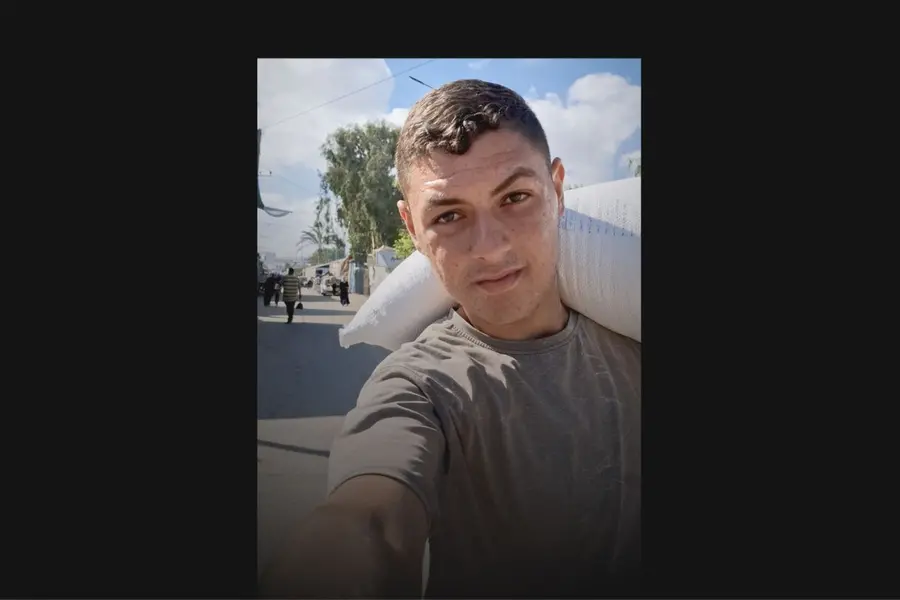
Rafah: As the sun dips below the horizon in southern Gaza, 20-year-old Mosab al-Trtori tends to a row of pepper, tomato, and aubergine seedlings growing in sandy soil near his family’s tent.
The salty water and poor earth rarely produce a proper harvest, but the occasional small crop is a lifeline in a place where every day is consumed by the search for food.
Mosab is considered “lucky” by Gaza’s grim standards. His family still manages to buy food from markets — unlike many of their neighbours who survive solely on aid.
Before the war, Mosab lived in a spacious two-storey home in Rafah, where he studied engineering and ran a gaming channel on YouTube. Now, he sleeps on the floor of a tent in the crowded al-Mawasi displacement camp with his parents, siblings, grandmother, and two cousins — the sole survivors from families killed in Israeli airstrikes.
Food dominates every thought. “At times we’ve wished for death rather than to keep living in these conditions, always thinking about food and water,” Mosab told the BBC through photos, voice notes, and videos he shared, since foreign journalists cannot freely enter Gaza.
That day, he set out to make mujaddara, a simple dish of lentils, rice, and onions. Before the war, it was a poor man’s meal. Now, he says, “mujaddara is for the middle class.” A single clove of garlic costs £2, ten times what his family once paid for four bulbs. Flour, once abundant, now sells for thirty times its pre-war price, if it can be found at all.
Markets offer only scraps — some goods are stolen from aid trucks, resold at extortionate prices. “In reality, here in Gaza, we’re living off the work of thieves,” Mosab admits.
Cash is another battle. With banks destroyed and Israeli restrictions blocking large money transfers, families like his are forced to pay commissions of up to 50% just to access their savings. Even when food is found, preparing it is another ordeal. A lighter — shared among 25 families — costs as much as £22. Firewood comes from rubble, or is bought at impossible prices. Often, people burn plastic despite knowing the fumes are toxic.
On this day, Mosab hauls home flour and a handful of vegetables. He chops firewood until his hands bleed, then watches as his mother cooks mujaddara on a makeshift stove. The family eats together on the floor of the tent. “It tasted good,” he says softly. “But normally it would taste even better. We didn’t have enough onions.” Around them, many neighbours do not eat at all. The guilt weighs heavily.
Later, he collects salty water from a well and pours it onto his fragile seedlings. “It harms the crops, but I have no choice,” he says. Still, he dreams of one day returning to university, of cooking without fear of hunger, of a Gaza where food and water are no longer luxuries. Until then, he says, “we just keep taking from the well and watering our plants.”
Published: 06 Sept 2025, 08:51 pm IST
Related Topics
Disclaimer: Kindly avoid objectionable, derogatory, unlawful and lewd comments, while responding to reports. Such comments are punishable under cyber laws. Please keep away from personal attacks. The opinions expressed here are the personal opinions of readers and not that of Mathrubhumi.
