
Around 400 French high schools have closed as student protests over teacher shortages, overcrowding and poor facilities spread nationwide, with clashes and fires reported.
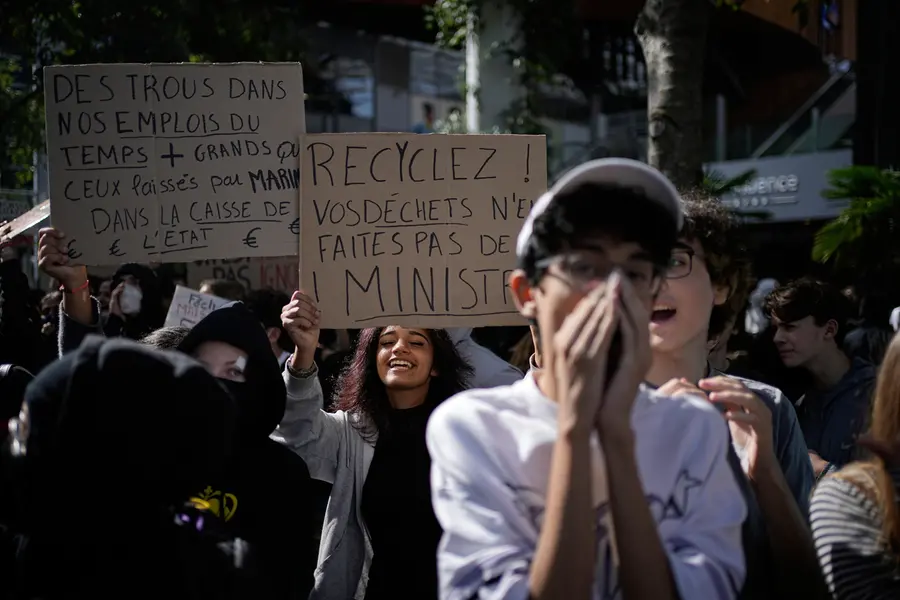
Paris: Around 400 French high schools were closed on October 2 as student protests over teacher shortages, overcrowded classrooms and deteriorating school facilities spread across the country and increasingly turned violent.
What is happening in France?
Student protests that began in the Paris region in late September have spread to cities including Marseille, Strasbourg, Toulouse, Rennes, Lille and Nantes. Students have blockaded school entrances and demanded more teachers, smaller classes, better facilities and greater resources.
Around 400 of France's roughly 3,700 high schools were closed on Friday because of the unrest. The Education Ministry said affected schools could move classes online where possible.
The scale of disruption had already increased sharply on Thursday, when more than 1,000 secondary schools were affected by strikes or protests, according to French media cited by Reuters.
Why are students protesting?
The protests began with complaints about conditions in French schools. Students have raised several issues:
- Teacher shortages: Students say classes are affected when teachers are unavailable or substitute teachers cannot be found.
- Overcrowding: Some classrooms have around 35 students, according to reports from the protests.
- Poor infrastructure: Students have complained about ageing and poorly maintained school buildings.
- Inadequate facilities: Complaints include insufficient classroom space, cafeteria capacity and supervision.
- Long school days and timetables: Students have also raised concerns about schedules and the length of the school day.
- Heat in classrooms: High temperatures during recent heatwaves have added to concerns about school conditions.
The protests are also unfolding as the government has presented its 2027 budget. The proposed education budget would rise by 1.7%, below the inflation rate, which has added to criticism from students and unions over resources for schools.
How did the protests turn violent?
What began as school blockades has escalated in several cities into clashes, fires and damage to public property.
Police used tear gas during confrontations in Strasbourg, while fireworks were directed at police lines in Marseille. Rubbish bins and other objects were set alight in several cities. A school entrance in Nantes was damaged by fire, while authorities in Marseille reported fires at two schools.
In Marseille, protesters attacked a fire engine responding to a blaze outside a school, forcing firefighters away before the vehicle was set on fire, according to Reuters.
The unrest has also led to injuries and arrests. French authorities said around 1,949 people were arrested on Thursday, while 305 police officers, gendarmes and firefighters were injured. Education Minister Édouard Geffray said 65 education staff and 170 students had been injured since the protests began.
What is the French government doing?
Prime Minister Sébastien Lecornu held an emergency meeting as the protests intensified. The government has prioritised keeping students and staff safe and has imposed restrictions around some schools affected by demonstrations.
Education Minister Édouard Geffray has said students' concerns about school conditions need to be addressed, while also condemning violence. He has proposed consultations with students, parents, teachers and education unions. A consultation platform is due to open on Monday, with students being asked about the difficulties they face and what they expect from the government.
The government has also faced pressure over policing. French authorities have opened investigations into allegations of excessive police force during the protests.
Why is the 2027 budget important?
The protests coincide with a major debate over France's finances.
The government's draft 2027 budget seeks significant savings as France attempts to reduce its deficit. At the same time, students and education workers are demanding greater investment in schools.
The proposed 1.7% increase in the education budget is below inflation, according to Reuters. Students and unions argue that this may not be enough to address teacher shortages, overcrowding and infrastructure problems.
What happens next?
The government is seeking talks with students, parents, teachers and unions while trying to prevent further violence and keep schools open.
Several trade unions have also called for a teachers' strike and demonstration on October 6 in support of student demands.
The immediate dispute therefore has two connected parts: students' demands for improvements to school conditions and the government's response to increasingly violent demonstrations.
The demonstrations have grown from local school blockades into a nationwide dispute over education resources. The scale of the closures and the number of injuries and arrests have also turned the issue into a wider public-order challenge.
At the same time, the protests are taking place during a difficult budget debate. The government's need to control public spending is colliding with demands for additional resources for schools, particularly in areas already facing teacher shortages and infrastructure problems.
The government's planned consultation could provide a channel for addressing the original education grievances, but the immediate challenge is separating those demands from the violence and property damage that have accompanied some demonstrations.
Published: 02 Oct 2026, 08:04 pm IST
ABOUT THE AUTHOR

Related Topics
Disclaimer: Kindly avoid objectionable, derogatory, unlawful and lewd comments, while responding to reports. Such comments are punishable under cyber laws. Please keep away from personal attacks. The opinions expressed here are the personal opinions of readers and not that of Mathrubhumi.