
Elon Musk criticizes Trump`s tax bill, predicting job losses and strategic harm to the US
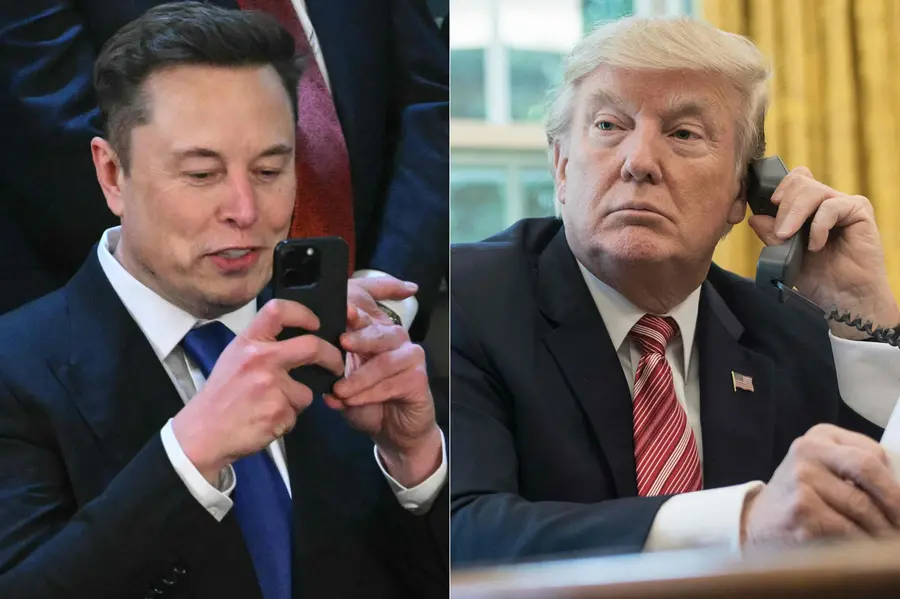
Washington: Elon Musk, CEO of Tesla and SpaceX, has once again voiced strong opposition to President Donald Trump's comprehensive tax and spending cuts bill, warning that the proposed legislation could lead to significant job losses and cripple future industries. On Saturday, ahead of a crucial Senate procedural vote, Musk took to X (formerly Twitter) to declare, "The latest Senate draft bill will destroy millions of jobs in America and cause immense strategic harm to our country. It gives handouts to industries of the past while severely damaging industries of the future." He further predicted the bill would be "political suicide for the Republican Party."
Musk's renewed criticisms reignite a recent public spat with the administration he recently departed. This presents another challenge for Republican Senate leaders, who are racing to pass the nearly 1,000-page bill by Trump's ambitious Fourth of July deadline.
The wealthy GOP donor has previously been vocal about his disdain for what he termed Trump's "big, beautiful bill." Following his exit from the federal government last month, Musk labelled the legislation "pork-filled" and a "disgusting abomination," even threatening to withdraw support from lawmakers who voted for it. A heated exchange between Musk and Trump ensued, with Musk controversially suggesting Trump's connection to Jeffrey Epstein, a claim for which he later expressed regret.
While a fragile peace had seemingly settled between Musk and the President, this latest remark from the tech magnate could disrupt that understanding. The White House has not yet commented on Musk's recent statements.
Meanwhile, President Trump continued to pressure Republican holdouts in the Senate, lambasting those who voted against the procedural measure. Senator Thom Tillis of North Carolina faced specific criticism and a threat of a re-election campaign against him. Despite the internal dissent, the legislation narrowly cleared its test vote in the Senate late Saturday evening, setting the stage for further debate.
With inputs from AP
Published: 29 Jun 2025, 09:28 am IST
Related Topics
Disclaimer: Kindly avoid objectionable, derogatory, unlawful and lewd comments, while responding to reports. Such comments are punishable under cyber laws. Please keep away from personal attacks. The opinions expressed here are the personal opinions of readers and not that of Mathrubhumi.
