
The World Meteorological Organisation (WMO) has warned that carbon dioxide levels reached record highs in 2024, intensifying global heat and fuelling more frequent extreme weather events.
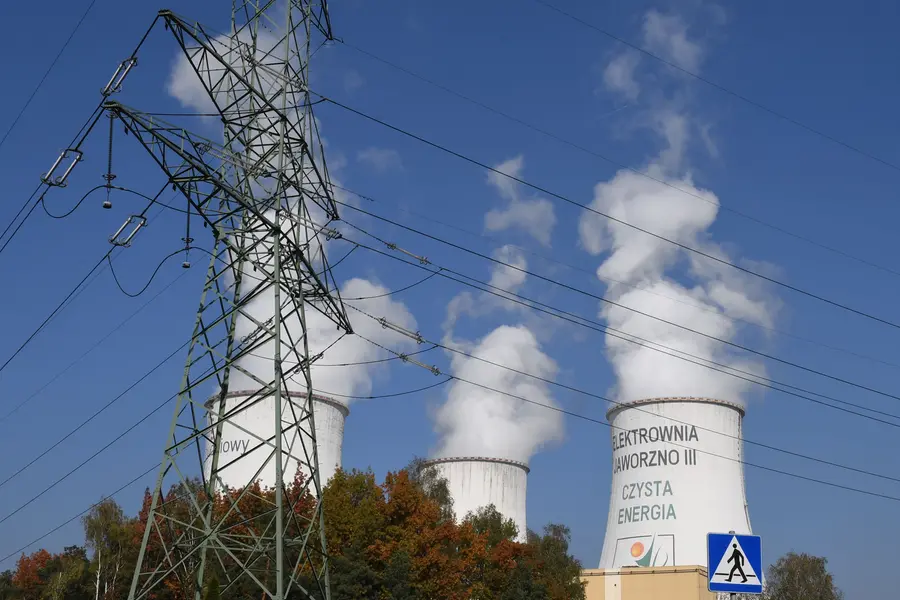
The United Nations’ weather agency confirmed that carbon dioxide (CO2) levels in Earth’s atmosphere reached their highest ever recorded concentration in 2024, signalling a worsening climate crisis.
The World Meteorological Organisation (WMO) said in its annual Greenhouse Gas Bulletin that CO2 growth rates have now tripled since the 1960s, with emissions from human activities and large-scale wildfires driving what it called a “vicious climate cycle.”
According to the WMO, the increase in global CO2 concentration from 2023 to 2024 represented the largest annual rise since systematic measurements began in 1957. The agency noted that these gases, which trap heat in the atmosphere, are “turbo-charging the planet’s climate,” contributing to severe heatwaves, intense rainfall, prolonged droughts, and devastating wildfires across continents.
“The heat trapped by CO2 and other greenhouse gases is turbo-charging our climate and leading to more extreme weather,” said WMO Deputy Secretary-General Ko Barrett, emphasising that reducing emissions is crucial “not just for our climate but also for our economic security and community well-being.”
The bulletin also reported record increases in methane (CH₄) and nitrous oxide (N₂O) levels — two other potent greenhouse gases. Methane, largely emitted from agriculture, fossil fuels, and waste, has more than 80 times the warming potential of CO2 over a 20-year period. Nitrous oxide, commonly produced through fertiliser use, has risen sharply, contributing to both global warming and ozone layer depletion.
The WMO warned that these rising greenhouse gas concentrations are locking the planet into a trajectory of long-term temperature increases, making it harder to meet the Paris Agreement’s goal of limiting warming to 1.5°C above pre-industrial levels.
Recent data from the Global Carbon Project aligns with WMO’s findings, showing that global CO2 emissions from fossil fuels rose by 1.1% in 2024, reaching an estimated 37.6 billion tonnes. The surge was driven by rebounding industrial activity, record-breaking wildfire seasons in North America and Southern Europe, and increased methane leaks linked to natural gas production.
Scientists warn that the world is now perilously close to crossing climate tipping points — such as ice sheet collapse, permafrost thaw, and Amazon forest dieback — which could trigger irreversible damage. The WMO has urged governments to accelerate renewable energy transitions, curb fossil fuel dependency, and implement stronger climate adaptation measures to mitigate further harm.
Published: 15 Oct 2025, 09:36 pm IST
Disclaimer: Kindly avoid objectionable, derogatory, unlawful and lewd comments, while responding to reports. Such comments are punishable under cyber laws. Please keep away from personal attacks. The opinions expressed here are the personal opinions of readers and not that of Mathrubhumi.
