
This outreach follows a similar successful recruitment drive targeting Russians. The CIA stresses safety and notes that responses are not guaranteed, pending a thorough security assessment.
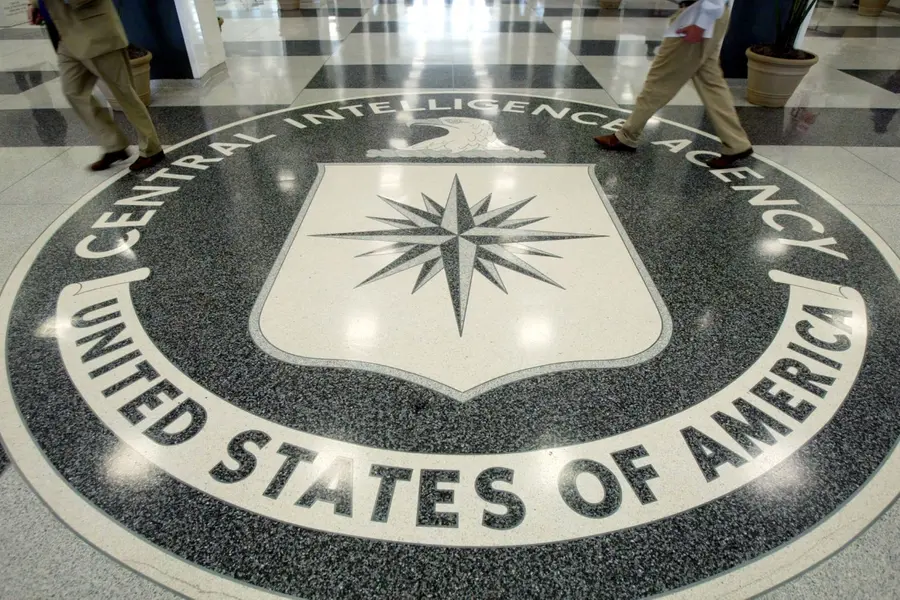
Washington: The Central Intelligence Agency on Tuesday issued a rare public appeal in Farsi, providing a detailed video guide and instructions on social media for Iranians to securely contact the agency as the U.S. looks to expand its network of informants.
The outreach, posted to the platform X, formerly known as Twitter, includes a step-by-step security protocol designed to protect potential sources from the Iranian government’s sophisticated surveillance apparatus. The move follows a similar, successful digital recruitment drive targeting Russians following the invasion of Ukraine.
"Your safety and well-being are our top priority," the agency said in its Farsi-language message. "We are offering these instructions for how to do that safely."
Digital Tradecraft for the Public
The guidelines emphasise the use of specialised tools to mask a user's digital footprint. The agency explicitly urged individuals to avoid using office computers or personal phones and suggested the use of "new, disposable devices" for any communication.
Key security recommendations released by the agency include:
- Browser Security: Using the latest versions of browsers like Chrome or Safari, specifically in "Incognito" or "Private Browsing" mode.
- Virtual Private Networks (VPNs): The CIA warned users to avoid VPN services headquartered in Iran, Russia, China, or other nations "hostile to the United States." They recommended paid services over free versions, specifically advising users to enable "kill switches" that disconnect the internet if the VPN fails.
- The Dark Web: The agency provided a specific ".onion" address for the Tor network, a specialised browser that bounces communication through multiple layers of encryption to hide a user's location.
ALSO READ: ‘Very bad day for that country’: Trump warns Iran if talks fail
Establishing Contact
The agency requested that those reaching out provide their full name, city of residence, occupation, and a description of their level of access to information. However, the CIA cautioned that a response is not guaranteed and would only follow a rigorous assessment of the sender’s security situation.
"The evaluation process of each message may take time," the guidelines stated. "Based upon our assessment of your security situation, the CIA may not send you a response."
The CIA’s digital push comes at a time of heightened tensions between Washington and Tehran. U.S. officials have increasingly turned to social media platforms like Telegram, X, and YouTube to circumvent state-controlled media and reach citizens in authoritarian countries directly.
ALSO READ: 'Will respond ferociously': Iran warns US
The agency noted that while the content of their website is encrypted, merely visiting the site can be a red flag for local security services if the user does not follow the prescribed anonymity steps.
Published: 24 Feb 2026, 10:33 pm IST
Related Topics
Disclaimer: Kindly avoid objectionable, derogatory, unlawful and lewd comments, while responding to reports. Such comments are punishable under cyber laws. Please keep away from personal attacks. The opinions expressed here are the personal opinions of readers and not that of Mathrubhumi.
