
Bangladesh President Mohammed Shahabuddin has alleged that the interim government led by Muhammad Yunus pressured and sidelined the presidency during its tenure. In a recent interview, Shahabuddin claimed he was kept uninformed on key state decisions, foreign visits, and agreements, raising fresh concerns over constitutional protocol and institutional balance.
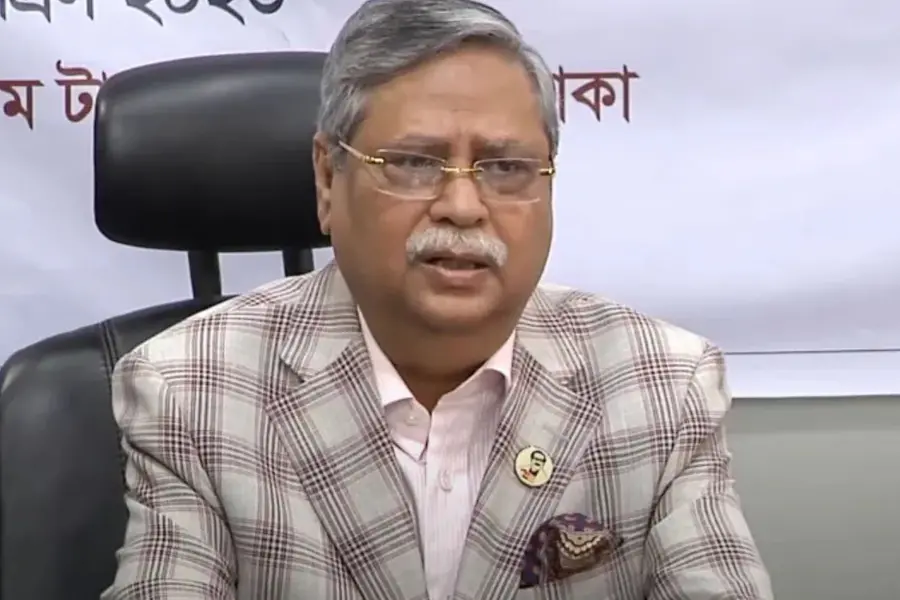
Dhaka: Bangladesh President Mohammed Shahabuddin has made a series of serious allegations against the Muhammad Yunus-led interim government, claiming that during its tenure it attempted to marginalise the presidency, pressured his office, and failed to adhere to constitutional norms.
In a wide-ranging interview with the Bengali daily Kaler Kantho, Shahabuddin said the interim administration not only sidelined him from key state decisions but also sought to keep the presidency “in the dark” on crucial matters, including foreign missions, agreements, and policy actions, in violation of constitutional protocol.
Claims of sidelining and lack of coordination
According to the President, the interim government headed by Yunus failed to communicate with him on major issues despite constitutional requirements that the head of state be informed of government actions and foreign engagements.
Shahabuddin noted that the chief adviser made numerous foreign trips, reportedly 14 to 15, without once briefing him upon return or submitting written reports as mandated.
“The Constitution states that whenever he goes abroad, I must be informed of the discussions and outcomes upon return. That simply did not happen,” Shahabuddin said.
The President also claimed he was excluded from knowledge of significant agreements concluded during the interim government’s tenure, saying in one instance he “knew nothing” about an important deal signed with the United States before the 2026 election.
Block on engagements and presence
In addition to being kept out of decision-making loops, Shahabuddin said the interim government actively undermined his public and institutional visibility.
His overseas invitations were blocked without consultation, he said, and traditional presidential roles, such as attending university convocations and ceremonial events, were obstructed.
One particularly symbolic grievance was the alleged removal of his official portraits from Bangladeshi diplomatic missions abroad overnight, a departure from long-standing practice that, the president suggested, was intended to erode his standing and public recognition.
Institutional pressures and alleged removal attempt
Shahabuddin went further to assert that powerful elements within the interim government sought to create a “constitutional vacuum” and remove him from office through unconstitutional means. The president claimed there were overt efforts to replace him with a former chief justice, but the judge in question reportedly refused to take on the presidency unlawfully.
Describing a tense episode in late 2024 when crowds attempted to surround the presidential residence at Bangabhaban, Shahabuddin said he relied on support from the Bangladesh Nationalist Party (BNP) and the military to withstand pressures and maintain constitutional order.
Press wing dismantled, staff withdrawn
The President also alleged that Bangabhaban’s press operations were dismantled after members of the Dhaka Reporters’ Unity visited him for a courtesy call.
His press secretary, deputy secretary, and veteran photographers were withdrawn from duties, leaving the presidential office unable to issue routine statements, a move he described as further efforts to neutralise his authority.
Broader political context
The allegations come as Bangladesh’s politics remain deeply unsettled following the 2024 mass uprising that ousted long-time Prime Minister Sheikh Hasina, and the subsequent installation of Muhammad Yunus as head of an interim government.
That caretaker administration was in place from August 2024 until February 2026, when the Bangladesh Nationalist Party (BNP) won a decisive parliamentary majority, and Tarique Rahman was sworn in as prime minister.
Shahabuddin’s charges against Yunus intensify existing political divisions over the role and conduct of the interim government, as well as the interpretation of constitutional responsibilities in transitional times.
Observers say the controversy underscores ongoing debates about institutional balance and democratic norms in Bangladesh’s rapidly changing political landscape.
Published: 23 Feb 2026, 05:04 pm IST
Related Topics
Disclaimer: Kindly avoid objectionable, derogatory, unlawful and lewd comments, while responding to reports. Such comments are punishable under cyber laws. Please keep away from personal attacks. The opinions expressed here are the personal opinions of readers and not that of Mathrubhumi.
