
A serious mid-air technical failure forced an Air India Dreamliner flying from Vienna to Delhi to divert to Dubai. All 200+ passengers were safe.
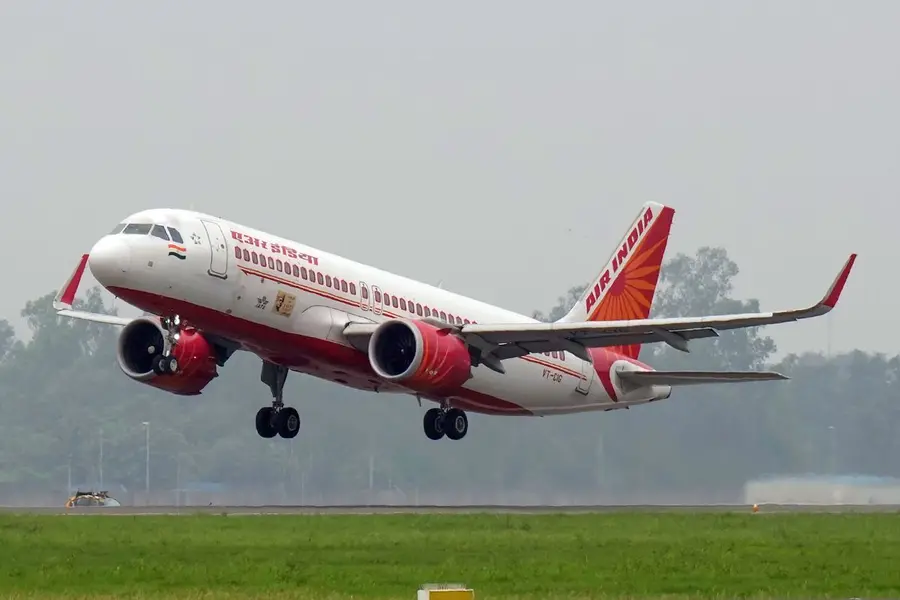
In a serious mid-air incident, an Air India Boeing 787 Dreamliner operating flight AI154 from Vienna to New Delhi was forced to divert to Dubai in the early hours of October 9 after experiencing multiple auto-flight system failures at cruising altitude.
According to sources cited by ANI, the aircraft was flying at 39,000 feet when, at around 2.45 am, the autopilot system unexpectedly disengaged. The failure triggered cascading malfunctions in several critical systems, including the Ground-Based Augmentation System (GBAS) Landing System, Flight Directors (FDs), Auto Throttle, and the Flight Control System. As a result, the aircraft lost its auto-land capability.
Despite repeated attempts, the flight crew was unable to re-engage the autopilot, compelling the pilots to manually operate the aircraft for the remainder of the flight. After informing Air Traffic Control (ATC), the crew made the decision to divert to Dubai. The Dreamliner landed safely without injury to passengers or crew.
In a statement released, Air India confirmed the diversion and reassured passengers about their safety. “AI154, operating from Vienna to New Delhi on October 9, was diverted to Dubai due to a suspected technical issue. The aircraft landed safely at Dubai and underwent necessary checks. All passengers were kept informed, provided refreshments, and the flight departed at 08:45 hours IST. We regret the inconvenience caused. At Air India, passenger safety remains our top priority,” the airline said.
The incident has prompted immediate regulatory attention. Civil Aviation Minister Rammohan Naidu has convened a meeting on Friday with the chief executives and safety heads of all major Indian carriers, including Air India, IndiGo, Akasa Air, SpiceJet, and Alliance Air. The agenda will focus on reviewing recent mid-air emergencies and strengthening technical reliability and operational safety measures across India’s aviation sector.
The episode comes amid heightened concerns about flight safety in India, following a spate of technical snags and precautionary landings reported in recent months. Regulators and airlines alike are under pressure to ensure that robust systems, adequate maintenance oversight, and effective training are in place to prevent future disruptions.
Published: 10 Oct 2025, 12:27 pm IST
Disclaimer: Kindly avoid objectionable, derogatory, unlawful and lewd comments, while responding to reports. Such comments are punishable under cyber laws. Please keep away from personal attacks. The opinions expressed here are the personal opinions of readers and not that of Mathrubhumi.
