
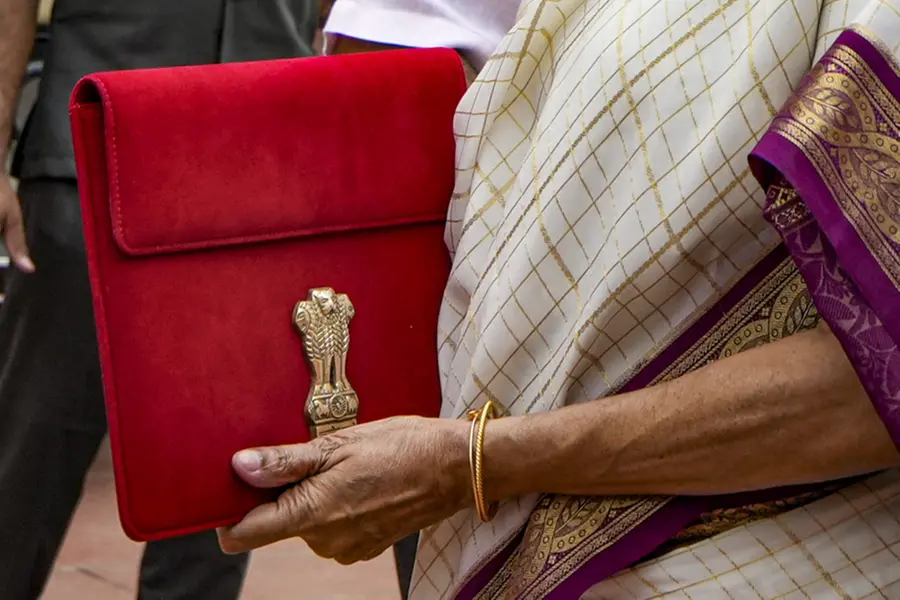
The Union Budget, a key financial document outlining the government’s economic policies and allocations, has been presented on February 1. However, this marks a departure from the earlier tradition of presenting it on the last working day of February. The change, implemented in 2017, was aimed at addressing administrative delays and ensuring smoother financial planning.
Streamlining budget planning
The decision to advance the Budget date was taken during Arun Jaitley’s tenure as Finance Minister. Previously, the Union Budget was presented on February 28 (or 29 during leap years). This practice often resulted in delays, as the Budget's approval and implementation extended into the financial year that begins on April 1. By moving the presentation to February 1, the government allowed itself sufficient time to implement new policies and financial adjustments ahead of the new fiscal year.
The earlier practice also left little room for executing reforms promptly, with several policy changes being delayed due to procedural lags. Presenting the Budget earlier ensures timely planning and execution, benefitting the economy and government functioning alike.
Addressing colonial legacies
Another significant change was the shift in the time of day for the Budget presentation. Until 1999, the Budget was traditionally presented at 5 PM, a custom rooted in the British colonial era to align with British working hours. This meant that the Budget announcement, timed for the convenience of London (12:30 PM BST or 11:30 AM GMT), disregarded Indian audiences.
In 1999, then-Finance Minister Yashwant Sinha, under Prime Minister Atal Bihari Vajpayee’s government, moved the timing to 11 AM. The change was aimed at making the Budget more accessible to Indian citizens, improving media coverage, and increasing public engagement.
Merging Union and Railway budgets

The Union Budget presentation in 2017 also witnessed another significant reform: the merger of the Railway Budget with the Union Budget. For nearly a century, the two were presented separately, with the Railway Budget often criticized for being overly populist. The government opted for a unified approach to eliminate inefficiencies and provide a holistic financial outlook. The move was regarded as a policy reform intended to break away from the "culture of populism," which had significantly impacted the financial stability of the state-owned railway system over the years.
The decision to change the Budget presentation date did not come without controversy. A petition was submitted to the Supreme Court, opposing the move and claiming that advancing the Budget could enable the government to influence voters with populist promises ahead of state elections. However, the Supreme Court rejected the petition, stating that the Union Budget was unrelated to state matters and that frequent state elections should not obstruct the Centre's operations.
Published: 19 Jan 2025, 02:51 pm IST
Related Topics
Disclaimer: Kindly avoid objectionable, derogatory, unlawful and lewd comments, while responding to reports. Such comments are punishable under cyber laws. Please keep away from personal attacks. The opinions expressed here are the personal opinions of readers and not that of Mathrubhumi.