
The Federal Open Market Committee (FOMC) kept its policy rate unchanged in the 3.5 to 3.75 per cent range, calling the stance “appropriate” for current conditions.
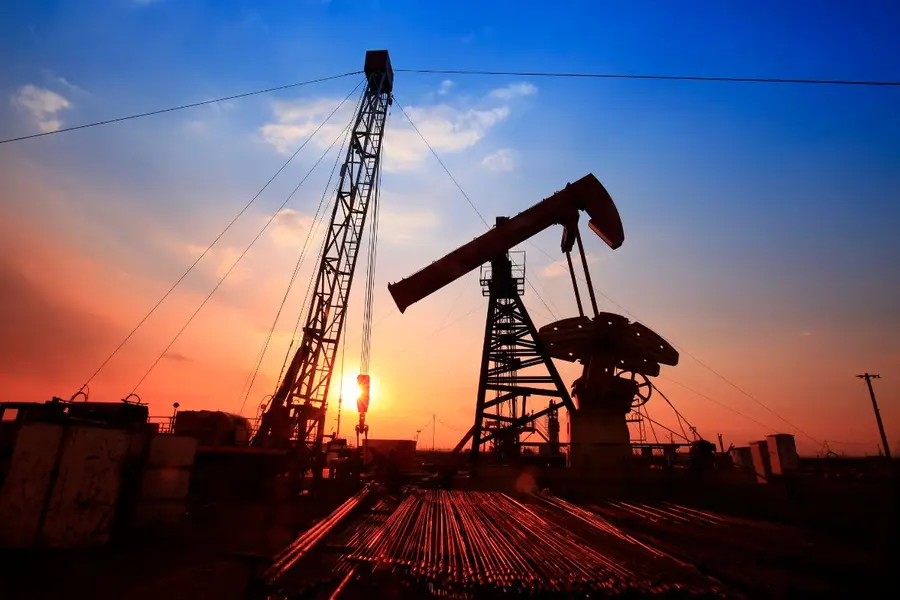
Washington/Frankfurt: Major global central banks, including the US Federal Reserve and the European Central Bank (ECB), have opted to keep interest rates unchanged as a surge in global energy prices, triggered by escalating tensions in the Middle East, pushes inflation higher and clouds the economic outlook.
In the United States, Federal Reserve Chair Jerome Powell said policymakers remain focused on balancing inflation control and employment stability, even as price pressures intensify.
“The US economy has been expanding at a solid pace,” Powell said, noting that consumer spending remains resilient and business investment is strong. At the same time, he acknowledged that job gains have slowed and the housing sector remains weak.
The Federal Open Market Committee (FOMC) kept its policy rate unchanged in the 3.5 to 3.75 per cent range, calling the stance “appropriate” for current conditions.
Powell said inflation has been pushed higher by rising energy costs linked to geopolitical tensions. “Estimates… indicate that total PCE prices rose 3.5 per cent over the 12 months ending in March, boosted by the significant rise in global oil prices that has resulted from the conflict in the Middle East,” he said.
Core inflation stood at 3.2 per cent, reflecting additional pressure from tariffs on goods. Powell warned that “higher energy prices will push up overall inflation,” while noting that the broader impact of the conflict “remains unclear, as does the future course of the conflict itself.”
Also read | Fuel price surge, West Asia conflict push Indian airlines towards bigger losses
Despite inflation concerns, he stressed flexibility in policy decisions. “Monetary policy is not on a pre-set course,” Powell said. “We will make our decisions on a meeting-by-meeting basis.”
He added that the central bank is in a position to “wait and see” how inflation evolves, saying energy shocks are often temporary but cautioning that the current situation has yet to peak.
In Europe, the ECB is also expected to hold rates steady as it assesses the impact of rising energy costs following disruptions in global oil and gas supply routes.
Energy prices have surged after the near closure of the Strait of Hormuz, through which about a fifth of global oil and gas flows, amid the conflict involving the US and Israel against Iran.
Eurozone inflation rose to 2.6 per cent in March, above the ECB’s two per cent target, but policymakers are wary of tightening too aggressively amid slowing growth.
“The weakening of the outlook for demand, particularly for private consumption, reinforces the case for the ECB to be patient,” said Italian lender UniCredit.
ECB officials have signalled caution as business activity weakens and consumer confidence falls across the region.
Also read | Iran Army declares ‘state of war’ persists despite ceasefire with United States
“Any hints about a June move will be taken on board,” said ING economist Carsten Brzeski, as markets watch closely for signals from ECB President Christine Lagarde.
Lagarde has previously warned of “double uncertainty” over the duration of the shock and its broader economic effects.
For now, policymakers appear aligned in their cautious stance. Bank of Latvia governor Martins Kazaks said, “We still have the large luxury of collecting data and forming our view.”
The ECB is widely expected to maintain its key deposit rate at two per cent, as central banks globally prioritise stability while monitoring the evolving geopolitical and inflation risks.
Published: 30 Apr 2026, 07:43 am IST
Related Topics
Disclaimer: Kindly avoid objectionable, derogatory, unlawful and lewd comments, while responding to reports. Such comments are punishable under cyber laws. Please keep away from personal attacks. The opinions expressed here are the personal opinions of readers and not that of Mathrubhumi.
