
Check the latest city-wise petrol, diesel and LPG trends across Indian cities.
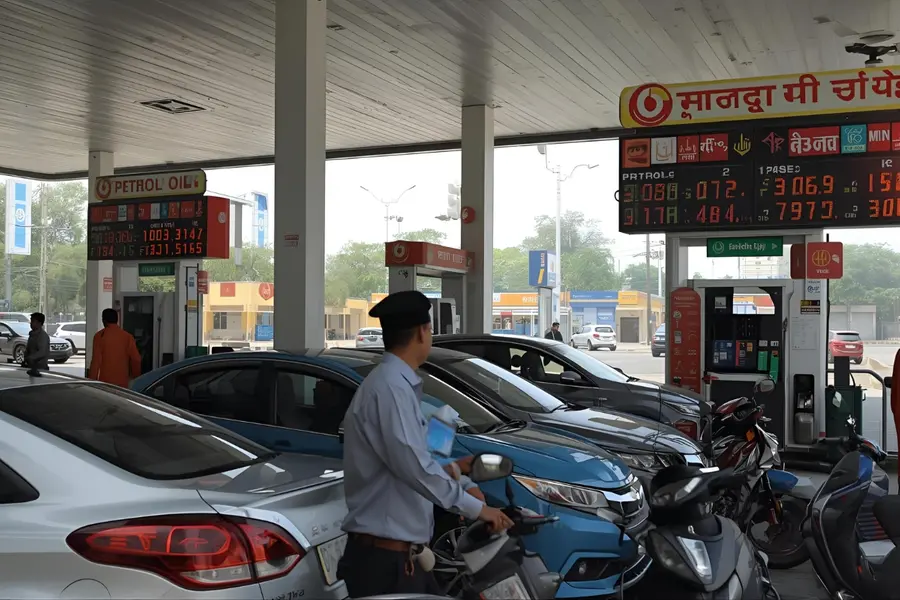
As of Thursday, January 8, 2026, the petrol price in Mumbai stands at ₹103.54 per litre, with no change from yesterday. Over the past 10 days, petrol rates in India have remained in a narrow range.
Diesel in Mumbai is priced at ₹90.03 per litre, also unchanged for the past 12 months, with the last revision recorded on December 17, 2024. Consumers can view state-wise and district-wise fuel prices to compare rates and track regional variations, with all figures inclusive of applicable state taxes.
Despite global crude oil market fluctuations, petrol and diesel prices across India have remained largely unchanged for over 11 months, supported by government price regulations and strategic decisions by oil marketing companies.
Fuel pricing in India is influenced by international crude oil trends, rupee–dollar exchange movements, central excise duty, and state-level VAT, which together determine retail costs.
However, petrol prices in India remain higher than in neighbouring countries such as Nepal, Bangladesh and Sri Lanka, primarily due to the higher excise duty and state VAT, keeping India’s retail petrol among the most expensive in South Asia.
Current petrol and diesel prices in Major Indian cities (₹/Litre)
| City | Petrol Price | Diesel Price |
| New Delhi | ₹94.77 | ₹87.67 |
| Kolkata | ₹105.45 | ₹92.02 |
| Mumbai | ₹103.54 | ₹90.03 |
| Chennai | ₹100.80 | ₹92.39 |
| Bangalore | ₹102.96 | ₹90.99 |
| Hyderabad | ₹107.46 | ₹95.70 |
| Thiruvananthapuram | ₹107.48 | ₹96.48 |
Note: Prices already include state taxes and may vary slightly within districts.
LPG price update
The price of a 14.2 kg domestic LPG cylinder in Mumbai stands at ₹852.50, with no change recorded since April 2025, following a ₹50 increase earlier in the year.
Over the past 12 months, domestic LPG prices in India have risen by ₹50 between December 2024 and November 2025, reflecting a steady upward trend in household gas cylinder rates.
LPG pricing in India is determined by state-run oil marketing companies and is reviewed monthly, while most households continue to rely on LPG as the primary cooking fuel. Government subsidies on domestic LPG cylinders further help reduce the financial burden on consumers, with subsidy amounts credited directly to beneficiaries’ bank accounts and adjusted monthly based on international LPG benchmark prices and currency fluctuations.
Published: 08 Jan 2026, 08:50 am IST
Subscribe to our Newsletter
Disclaimer: Kindly avoid objectionable, derogatory, unlawful and lewd comments, while responding to reports. Such comments are punishable under cyber laws. Please keep away from personal attacks. The opinions expressed here are the personal opinions of readers and not that of Mathrubhumi.
