
While petrol and diesel prices in India remain significantly higher than in 2014, relief has often aligned with election cycles.
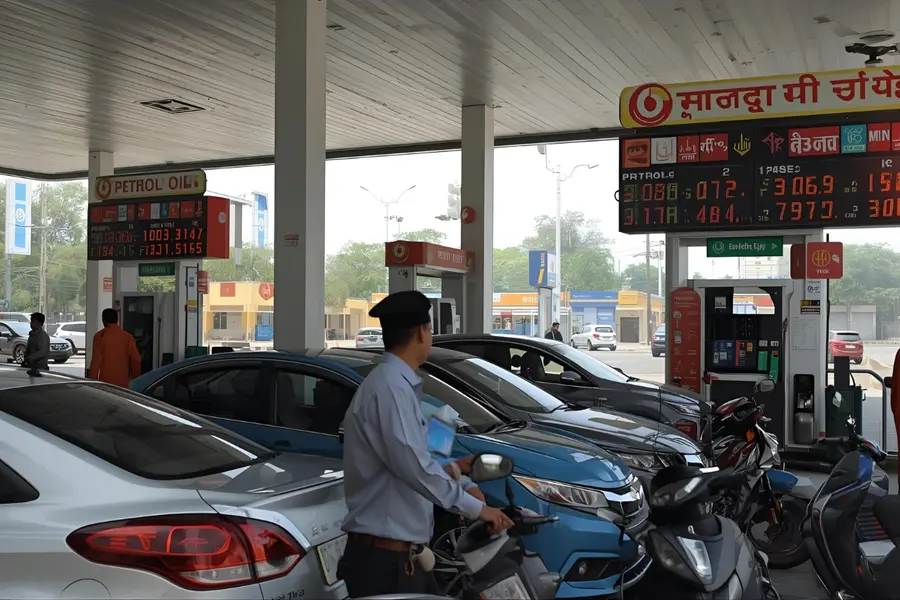
Fuel prices showed limited movement across India on Monday, December 29, with petrol and diesel rates largely unchanged in most metro cities and state capitals, while a few centres recorded marginal increases or cuts.
Petrol prices in major cities
Petrol prices remained flat in New Delhi and Kolkata at ₹94.77 and ₹105.41 per litre, respectively. Mumbai saw a marginal dip of 4 paise to ₹103.50, while Chennai recorded a sharper cut of 23 paise to ₹100.80.
Among NCR cities, petrol was priced at ₹95.51 in Gurgaon after a 14-paise fall, while Noida saw a 14-paise rise to ₹94.88. Bengaluru registered a mild increase of 7 paise to ₹102.99.
In eastern and northern capitals, Bhubaneswar recorded petrol at ₹101.19 after an 8-paise rise, Chandigarh remained unchanged at ₹94.30, and Jaipur saw a notable increase of 27 paise to ₹104.99. Prices stayed flat in Lucknow at ₹94.69.
Patna saw a reduction of 11 paise, taking the petrol price to ₹105.42. In the south, Hyderabad and Thiruvananthapuram remained unchanged at ₹107.46 and ₹107.48 per litre, respectively.
Diesel prices in major cities
Diesel prices were unchanged in New Delhi at ₹87.67, Kolkata at ₹92.02, and Mumbai at ₹90.03. Chennai recorded a cut of 22 paise, bringing the diesel price down to ₹92.39.
In the NCR region, diesel fell by 13 paise in Gurgaon to ₹87.97, while Noida saw a 17-paise increase to ₹87.98. Bengaluru registered a marginal rise of 7 paise to ₹91.06.
Bhubaneswar saw diesel priced at ₹92.76 after a 7-paise increase, while Chandigarh remained steady at ₹82.45. Jaipur recorded a 24-paise rise to ₹90.45, with prices unchanged in Lucknow at ₹87.81.
Patna and Thiruvananthapuram both saw a 10-paise reduction, with diesel priced at ₹91.67 and ₹96.38, respectively. Hyderabad remained unchanged at ₹95.70 per litre.
Crude oil crash forecast for 2026
Experts project a sharp fall in crude oil prices in 2026, potentially creating a significant financial opportunity for India. Major financial institutions and the EIA forecast Brent crude declining to between $52 and $58 per barrel, a steep drop from the $80 average seen in 2024.
Such a fall could sharply reduce India’s import bill, narrow the trade deficit, and support GDP growth.
With lower global crude prices, the government faces a policy choice. It may raise fuel taxes to offset revenue losses from other tax cuts and maintain fiscal credibility with global investors.
While petrol and diesel prices in Delhi remain significantly higher than in 2014, relief has often aligned with election cycles. With key state elections due in West Bengal, Tamil Nadu and Kerala in 2026, consumers could see lower pump prices.
Since 2014, high fuel taxes have been used to fund welfare schemes and infrastructure spending. Although daily fuel price revisions remain frozen, a 2026 crude price crash could either help curb inflation or further strengthen the national budget.
Published: 29 Dec 2025, 07:38 am IST
Disclaimer: Kindly avoid objectionable, derogatory, unlawful and lewd comments, while responding to reports. Such comments are punishable under cyber laws. Please keep away from personal attacks. The opinions expressed here are the personal opinions of readers and not that of Mathrubhumi.
