
Over 100 Air India pilots will be deputed to Scoot for 1-2 years. This strategic talent exchange aims to boost operational synergy, enhance pilot skills, and support Scoot's growth amidst rising travel demand.
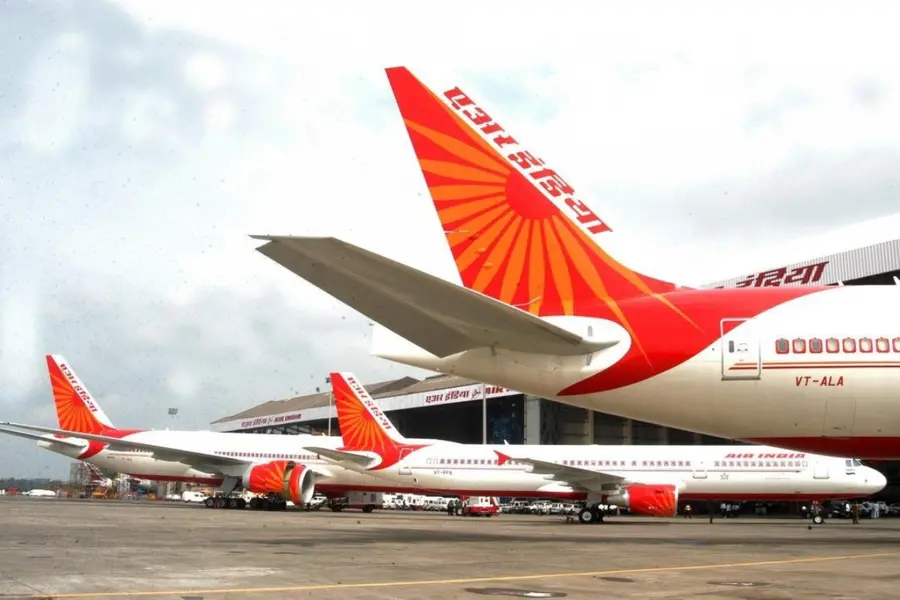
Singapore Airlines deepens cooperation with Air India by opening international deputation roles for its pilots, aiming at operational synergy and workforce transformation.
In a significant move that reflects the strengthening ties between Singapore Airlines and Air India, over 100 Air India pilots have been offered the opportunity to join Scoot, Singapore Airlines’ low-cost subsidiary, under a structured deputation programme.
This initiative, seen as a major step toward building cross-border operational synergy, also comes at a critical moment in Air India’s ongoing transformation journey under Tata Group ownership.
The deputation programme will allow Air India’s nominated captains and first officers to serve with Scoot for a duration of one to two years. The pilots will fly Embraer aircraft, a fleet type currently absent from Air India’s operations, providing a unique platform for skill diversification and international exposure.
The programme is part of a broader collaborative framework evolving between the two airlines since the consolidation of Air India and Vistara under Tata Sons, in which Singapore Airlines now holds a 25.1% stake.
This strategic equity tie-up has triggered deeper operational partnerships between the two carriers, aligning their vision to build future-ready, agile, and competitive aviation entities in Asia.
Strengthening human capital in aviation
For Air India, the initiative represents a well-timed investment in its workforce development. With international experience, technical proficiency on new aircraft types, and exposure to the operational standards of Scoot and Singapore Airlines, Air India pilots will return with valuable competencies that align with the carrier’s global ambitions.
Commenting on the collaboration, Campbell Wilson, Managing Director and CEO of Air India, noted that this is “a win-win for both sides.” He explained, “Scoot gains experienced professionals to meet its operational demands, and Air India’s pilots acquire global flying experience and training that will enhance their capabilities, particularly as we induct a diverse fleet in the years ahead.”
The move also addresses a key challenge for Scoot talent acquisition amid rising travel demand across Asia-Pacific. With an expanding fleet and route network, Scoot has been in need of experienced pilots, and the availability of seasoned personnel from Air India presents a mutually beneficial solution.
Singapore Airlines eyes deeper India play
From Singapore Airlines' perspective, this pilot deputation programme is more than a staffing solution; it is a gateway to reinforce its positioning in the Indian aviation market. The airline group has long viewed India as a high-growth market and is now actively shaping its partnerships to tap into that growth more effectively.
Goh Choon Phong, Chief Executive Officer of Singapore Airlines, commented on the importance of this cooperation, highlighting that “India’s vast domestic and outbound market holds strategic significance for our group. By deepening our engagement with Air India, we not only support their transformation but also strengthen our presence in a corridor of tremendous commercial and strategic value.”
India has emerged as one of the largest aviation markets in the world, with over 2.4 million passengers travelling between India and Singapore in FY2024-25. The India-Singapore aviation corridor remains one of the most dynamic in the Asia-Pacific region, with Singapore Airlines competing with regional players like Malaysia Airlines, Thai Airways, and Qantas for market share and passenger loyalty.
Scoot’s role in strategic expansion
Scoot, as Singapore Airlines’ low-cost subsidiary, plays a critical role in its regional strategy. Operating on a hybrid low-cost model, Scoot has carved a niche across Southeast Asia and is expanding routes into Oceania, Northeast Asia, and South Asia. The deputation programme is a timely measure to address pilot shortages, especially for Embraer aircraft operations, which require specific certifications and experience.
For Scoot, the integration of Air India pilots not only boosts cockpit capabilities but also aligns with its long-term goal of building a versatile, cross-cultural team ready to cater to a diverse passenger base. The airline’s operational footprint is set to grow in the coming years, and experienced Indian pilots can bring deep regional knowledge and cultural fluency that benefit both service and safety outcomes.
Implications for Air India’s transformation
For Air India, this initiative marks another milestone in its post-privatisation restructuring process. The airline is in the midst of a comprehensive overhaul from fleet modernisation and service revamp to human capital development and digital transformation. By leveraging the training frameworks and operational models of Singapore Airlines and Scoot, Air India aims to significantly upskill its pilot force and prepare it for a more complex, diversified fleet.
While Embraer aircraft are not currently part of Air India’s fleet, the experience will allow its pilots to adapt to different systems, expand their technical proficiency, and gain insight into lean operations, a critical learning for an airline integrating wide-body and narrow-body aircraft at scale.
In a broader context, the initiative also contributes to Air India’s workforce rejuvenation efforts, especially as the airline seeks to bring in younger talent and retrain existing staff to meet the demands of a fast-evolving industry.
Looking beyond: A partnership for the future
Industry observers see this development as a bellwether for future cooperation between Singapore Airlines and Air India across multiple domains like training, fleet sharing, route development, and even joint ventures. With both airlines committed to long-term collaboration, this pilot deputation scheme could be just the beginning of a much deeper integration of expertise and resources.
The vision is clear: build a pan-Asian aviation alliance rooted in operational excellence, cultural synergy, and shared commercial ambition. For Air India, it’s a leap toward global standards; for Singapore Airlines, it’s a smart play to cement its presence in one of the most important aviation markets of the future.
Published: 09 Jun 2025, 04:48 pm IST
Disclaimer: Kindly avoid objectionable, derogatory, unlawful and lewd comments, while responding to reports. Such comments are punishable under cyber laws. Please keep away from personal attacks. The opinions expressed here are the personal opinions of readers and not that of Mathrubhumi.
