
Intel is set to cut more than 10,000 jobs from its foundry division beginning July, with no severance planned for those laid off
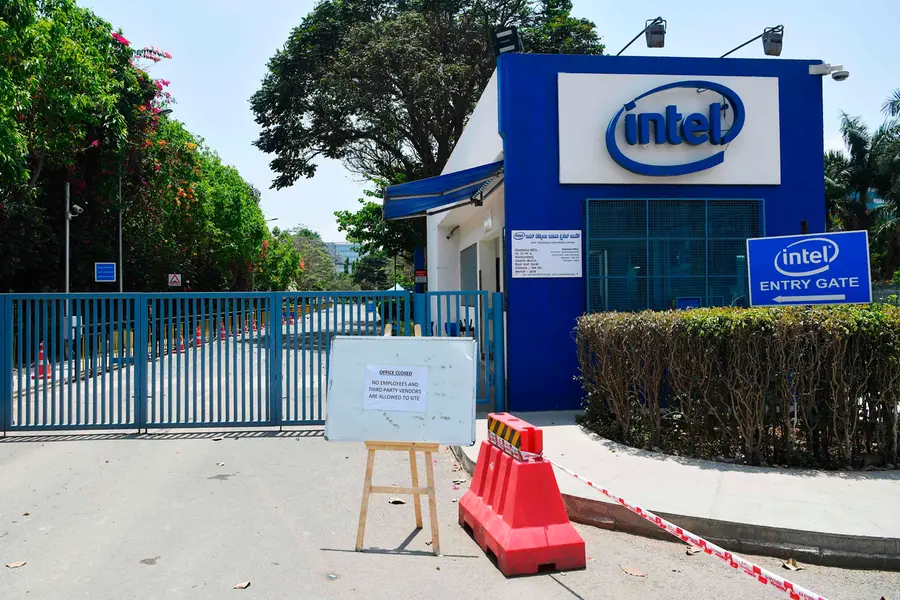
Intel is preparing to lay off more than 10,000 employees from its Intel Foundry division beginning in July, marking one of the semiconductor giant’s largest job reduction rounds in its history.
The move is part of CEO Lip-Bu Tan’s sweeping restructuring efforts aimed at reducing operational costs and reviving the company’s struggling financial performance.
The layoffs will affect 15% to 20% of the foundry workforce across 15 wafer fabrication plants located in 10 countries. Impacted roles include factory technicians and R&D personnel working on next-generation microprocessors. Unlike past layoffs, Intel will not offer voluntary exit packages or early retirement benefits. Employees will be selected for termination based on performance evaluations, strategic importance, and skill alignment with remaining roles.
“These are difficult actions but essential to meet our affordability challenges,” Intel Manufacturing Vice President Naga Chandrasekaran said in a leaked internal memo. He confirmed that the reductions will consider factory operations impact, project investments, and strategic changes to Intel’s portfolio.
This round follows two earlier waves of layoffs—one in August 2024 under former CEO Pat Gelsinger that saw 15,000 positions cut, and another in early 2025 after Tan assumed leadership, targeting over 20% of the total workforce.
Intel reported an $821 million loss in Q1 2025 and continues to face tough competition in the semiconductor market, particularly from Nvidia and AMD, who are dominating the AI and data centre sectors. Compounding the crisis is the delay in receiving promised subsidies under the US CHIPS Act, with uncertainty lingering over the fate of Intel’s $7.9 billion package under the Trump administration.
While critical technical roles such as engineers in lithography and advanced processing are expected to be retained, many roles displaced by automation are likely to be eliminated.
Intel’s total employee count has already dropped from 125,000 in 2023 to 109,000 at the end of 2024. This latest round underscores the aggressive scale of Tan’s efforts to streamline Intel’s structure, reduce management layers, and return the company to profitability.
Published: 19 Jun 2025, 10:16 am IST
Related Topics
Subscribe to our Newsletter
Disclaimer: Kindly avoid objectionable, derogatory, unlawful and lewd comments, while responding to reports. Such comments are punishable under cyber laws. Please keep away from personal attacks. The opinions expressed here are the personal opinions of readers and not that of Mathrubhumi.
