
This is the second recent health scare following Friday’s Air India pilot collapse in Bengaluru, a stark signal that crew wellness is now emerging as a critical safety concern
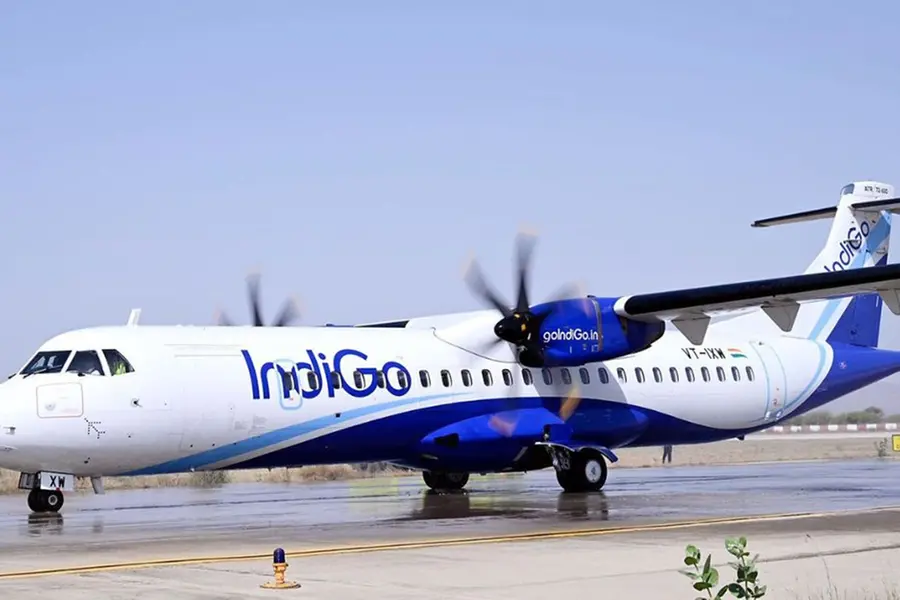
In a startling reminder of the toll on cockpit crews, an IndiGo Delhi–Pune flight (6E 2262) was delayed by over four hours after its pilot fell ill just before take-off on July 4. The aircraft, scheduled for a 6 am departure from Delhi, returned to the bay and eventually departed at 10:27 a.m., after the crew was changed and medical assistance provided.
According to an airline statement: “One of our cockpit crew … felt unwell before take-off and the aircraft returned to bay, following the standard operating procedures (SOP). Appropriate medical assistance was provided … and an alternative crew was assigned.”
This is the second recent health scare following Friday’s Air India pilot collapse in Bengaluru, a stark signal that crew wellness is now emerging as a critical safety concern.
Fatigue among pilots isn’t uncommon, it is a systemic risk. A 2024 Safety Matters Foundation survey of 530 Indian pilots found that over 70% reported significant fatigue after flight duty exceeding 10 hours. Many highlighted short rest periods, rapidly changing rosters, and tail-swapping between flights as major contributing factors.
Under current FDTL regulations, Indian pilots can be scheduled for up to 13 hours of duty in a 24-hour period, and airlines require just the minimum rest between flights, guidelines aviation experts have repeatedly labelled as insufficient.
The DGCA had proposed stricter rules, reducing night duty, increasing weekly rest to 48 hours, conducting mandatory fatigue reporting but delayed implementation under pressure from airlines.
Globally, fatigue is linked to 15–20% of human-factor aviation incidents. Data show that pilots operating beyond 10–13 hours are 4 to 5 times more likely to make error-laden decisions, risk magnified by circadian disruptions and chronic sleep loss.
In India, delays to rule changes and patchy reporting culture may be exacerbating risk, especially as airlines ramp up international capacity post-pandemic.
India’s aviation sector must recognize and address the limits of human endurance and build sustainable schedules that prioritize safety. For the millions flying Indian skies, and the personnel behind them, it’s high time we demanded more than just compliance. We must demand vigilance culture that truly protects both passengers and pilots.
Published: 06 Jul 2025, 04:12 pm IST
Related Topics
Disclaimer: Kindly avoid objectionable, derogatory, unlawful and lewd comments, while responding to reports. Such comments are punishable under cyber laws. Please keep away from personal attacks. The opinions expressed here are the personal opinions of readers and not that of Mathrubhumi.
