
India’s rice exports surged 19.4% after restrictions were lifted, lowering Asian rice prices, boosting global supply, and strengthening India’s position as the world’s leading rice exporter.
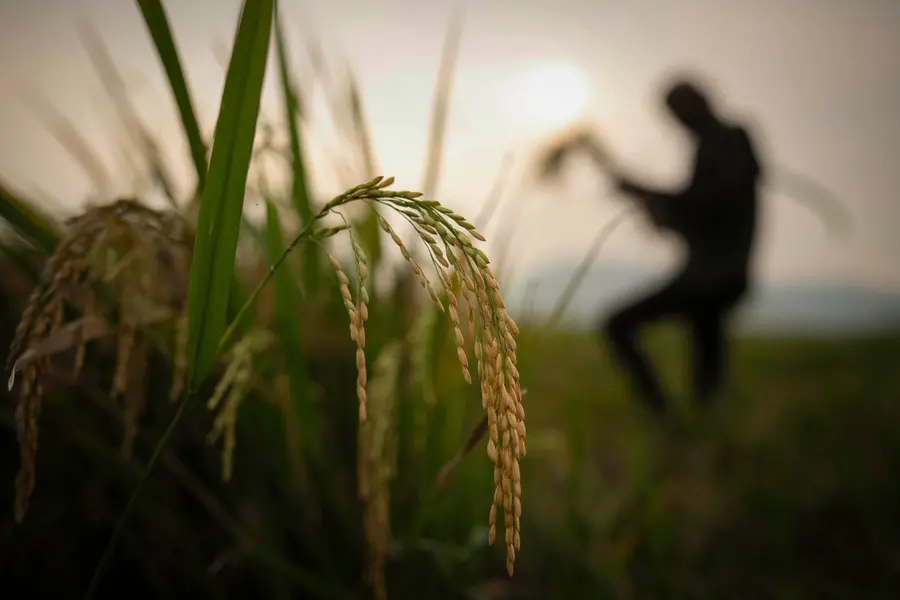
New Delhi: India’s rice exports surged 19.4 per cent in 2025, reaching the second-highest level on record, after the government removed all export restrictions, according to industry reports.
The lifting of curbs enhanced the competitiveness of Indian rice in global markets, reinforcing the country’s position as the world’s largest rice exporter. The steady flow of Indian rice supplies also reduced exports from rival producers, including Thailand and Vietnam, and pushed rice prices in Asia to their lowest levels in nearly a decade.
Lower global prices have provided relief to poorer consumers, particularly in Africa and other regions that rely heavily on affordable rice imports.
India is also increasingly focusing on value-added and nutrition-oriented rice exports. In a recent example, the Agricultural and Processed Food Products Export Development Authority (APEDA) facilitated the shipment of 20 metric tonnes of fortified rice from Chhattisgarh to Papua New Guinea.
Fortified rice is produced by blending rice flour with essential micronutrients such as iron, folic acid, and vitamin B12. The fortified grains are processed to resemble regular rice and mixed with ordinary rice to enhance nutritional value, helping improve global food security.
Officials highlighted that such shipments showcase India’s technological capabilities in food fortification and its contribution to global nutritional security.
Chhattisgarh has emerged as a key player in India’s rice export market, supporting farmers, millers, and exporters through consistent initiatives. The successful shipment to Papua New Guinea reflects the state’s growing role in nutrition-focused agricultural exports and aligns with India’s broader ambition to be a trusted supplier of high-quality, value-added food products.
APEDA officials said the authority continues to emphasise quality assurance, capacity building, and international market linkages to strengthen India’s position in the global agri-trade sector.
IANS
Published: 11 Jan 2026, 02:52 pm IST
Related Topics
Disclaimer: Kindly avoid objectionable, derogatory, unlawful and lewd comments, while responding to reports. Such comments are punishable under cyber laws. Please keep away from personal attacks. The opinions expressed here are the personal opinions of readers and not that of Mathrubhumi.
