
US raises tariffs on Indian goods to 50%, pressuring textiles, gems & shrimp exports; pharma, steel remain insulated amid trade negotiations,says SBI report.
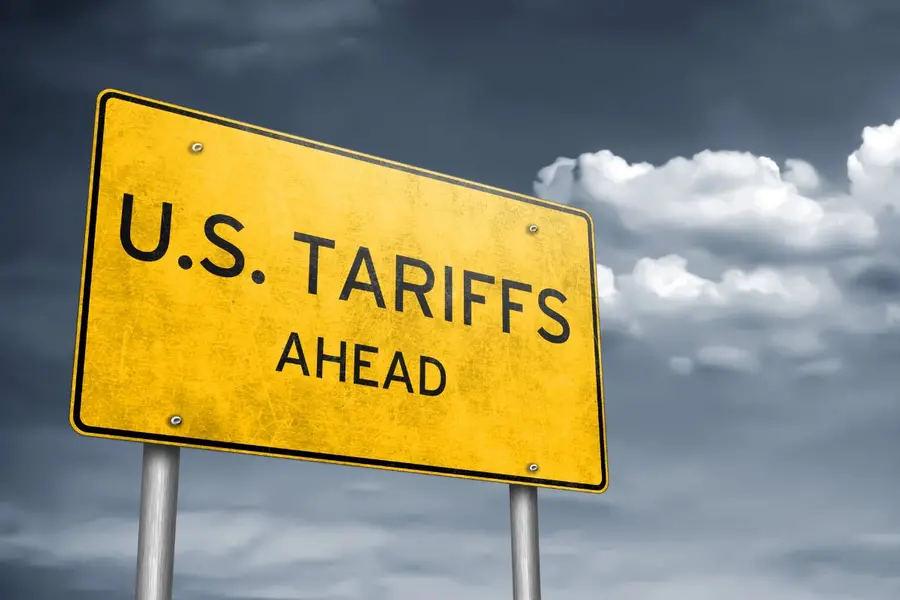
New Delhi: As higher US tariffs on Indian goods are set to take effect from Wednesday (US time), labour-intensive sectors such as textiles and gems and jewellery are expected to face moderate pressures, while pharmaceuticals, smartphones, and steel remain relatively insulated due to existing exemptions, tariff structures, and strong domestic consumption.
A new report by SBI Research suggests that the tariffs could reduce US GDP by 40–50 basis points and contribute to higher input-cost inflation.
“As $45 billion of exports will be impacted due to 50 per cent tariffs, in a worst-case scenario, India’s trade surplus could convert into a trade deficit. However, we believe trade negotiations will restore confidence and improve exports to the US,” the report stated.
India’s products may also lose competitiveness amid the higher tariffs, potentially benefiting countries such as China and Vietnam, as the tariffs imposed on India exceed those applied to other Asian nations: 30 per cent on China, 20 per cent on Vietnam, 19 per cent on Indonesia, and 15 per cent on Japan.
The US remains India’s largest export destination for textiles. Over the past five years, India has steadily gained market share in the sector, while China’s share has declined significantly. “This shift highlights India’s growing importance in US supply-chain arrangements,” the report noted.
The US market accounts for nearly a third of India’s $28.5 billion annual gems and jewellery exports. With tariffs rising from 25 per cent to 50 per cent, exporters are bracing for disruptions. Shrimp exporters, who send more than half their output to the US, also fear steep losses and potential order cancellations, which could affect US consumer prices and reduce India’s competitiveness against rivals like Ecuador.
Pharmaceutical imports from India are exempt from the new tariffs. India accounted for 6 per cent of US pharmaceutical imports in 2024, with 40 per cent of India’s pharma exports directed to the US in FY25.
Meanwhile, the US is showing renewed inflationary pressure, driven by the pass-through effects of tariffs and a weaker dollar in import-sensitive sectors such as electronics, autos, and consumer durables. US inflation is expected to remain above the 2 per cent target through 2026 due to supply-side impacts of tariffs and currency fluctuations.
IANS
Published: 27 Aug 2025, 10:10 am IST
Disclaimer: Kindly avoid objectionable, derogatory, unlawful and lewd comments, while responding to reports. Such comments are punishable under cyber laws. Please keep away from personal attacks. The opinions expressed here are the personal opinions of readers and not that of Mathrubhumi.
