
The resignation of HDFC Bank’s chairman has triggered market concerns and renewed focus on leadership dynamics within India’s largest private lender
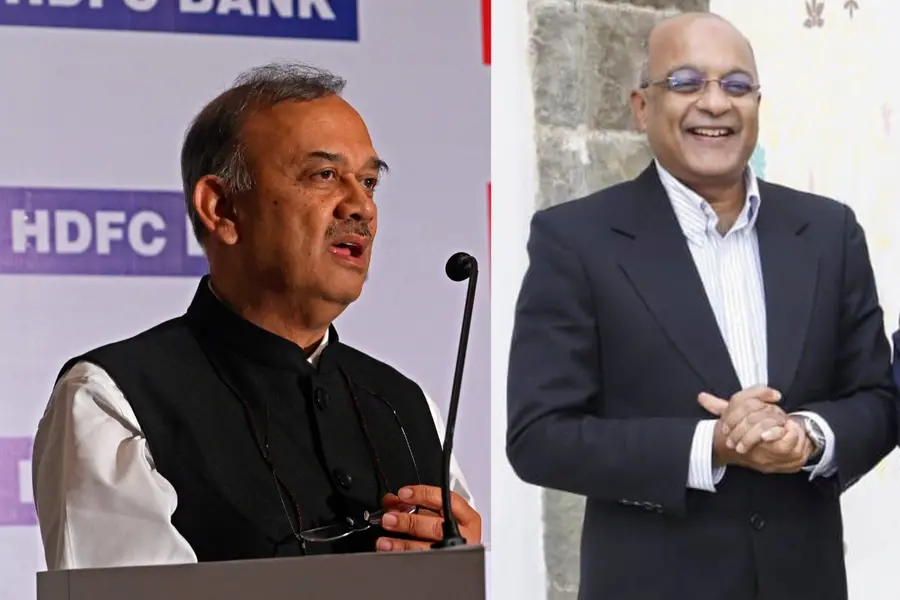
The sudden resignation of Atanu Chakraborty as part-time chairman of HDFC Bank has brought the lender’s top leadership under scrutiny, amid reports of internal disagreements and concerns over performance.
Chakraborty stepped down on March 18, citing differences over “values and ethics”, a move that led to a sharp sell-off in the bank’s shares. The development wiped out nearly $16 billion from the bank’s market capitalisation over a short period, reflecting investor unease.
Spotlight on CEO Sashidhar Jagdishan
Following the resignation, attention has shifted to CEO Sashidhar Jagdishan, whose term is due to end in October 2026 unless extended. Jagdishan took charge in 2020 after succeeding Aditya Puri, who had led the bank for over two decades.
Sources familiar with the matter indicated that differences between Chakraborty and Jagdishan had been building over time. These reportedly included disagreements on business strategy and human resource policies.
Chakraborty, a former bureaucrat, was said to have taken an unusually active role in operational matters for a non-executive chairman, including involvement in performance evaluations of senior executives.
Dispute over MUFG partnership proposal
One key flashpoint was a proposal in 2024 to bring in Mitsubishi UFJ Financial Group (MUFG) as a strategic investor in the bank’s consumer finance arm. While Jagdishan supported the move, Chakraborty opposed it, citing concerns over foreign participation and the absence of a competitive bidding process. The proposal was eventually shelved.
The situation has raised broader concerns among investors about internal cohesion and governance. Analysts note that continued underperformance in stock price or quarterly results could prompt shareholders to seek changes in leadership.
Jagdishan has downplayed reports of internal friction, including speculation about tensions with senior executives such as Deputy Managing Director Kaizad Barucha, stating that the leadership team remains aligned.
Merger impact adds to pressure
The leadership concerns come at a time when the bank is still managing the after-effects of its 2023 merger with HDFC Ltd. While the merger significantly increased the bank’s asset base, it also impacted key financial metrics, including margins and loan-to-deposit ratios.
The bank’s lending margin has declined compared to pre-merger levels, and it has had to moderate loan growth to maintain balance sheet stability.
Experts suggest that the current situation reflects execution challenges rather than a fundamental leadership crisis. However, they caution that investor sentiment remains sensitive to clarity in management direction and performance consistency.
The episode underscores the importance of governance transparency and strategic alignment at a time when broader economic conditions may also weigh on the banking sector.
Published: 30 Mar 2026, 02:36 pm IST
Related Topics
Disclaimer: Kindly avoid objectionable, derogatory, unlawful and lewd comments, while responding to reports. Such comments are punishable under cyber laws. Please keep away from personal attacks. The opinions expressed here are the personal opinions of readers and not that of Mathrubhumi.
