
The 30-minute flight, which covered a 130-kilometre journey from East Hampton to JFK Airport, carried four passengers and consumed electricity worth just $8 (approximately ₹700)
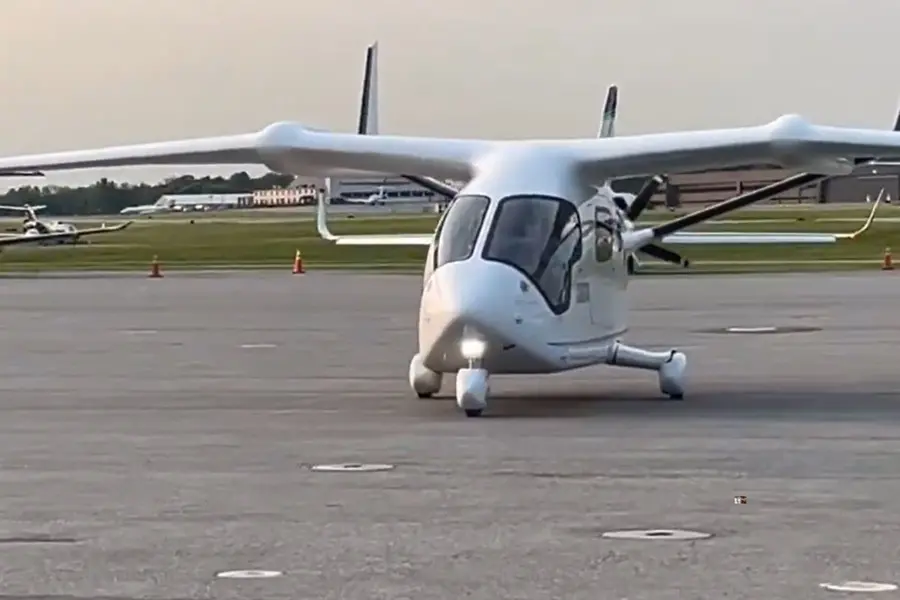
In a landmark moment for sustainable flight, Beta Technologies’ Alia CX300, a battery-powered electric aircraft with conventional takeoff and landing capabilities has made history by becoming the first electric plane of its kind to transport passengers on a commercial test flight.
The 30-minute flight, which covered a 130-kilometre journey from East Hampton to JFK Airport, carried four passengers and consumed electricity worth just $8 (approximately ₹700). In stark contrast, a similar route flown by a conventional helicopter would burn fuel worth nearly ₹13,000 ($160 USD). This cost difference not only underscores the economic efficiency of electric aviation but also opens the door to accessible, short-range regional air mobility.
According to Beta Technologies, the Alia CX300 has a maximum range of 463 km on a full charge, making it an ideal fit for intra- and inter-city commutes, especially across regions with dense urban clusters or challenging geography.
Technology behind the milestone
The Alia CX300 is a sleek, fixed-wing electric aircraft designed for zero-emissions flight. It uses advanced lithium-ion batteries to power an all-electric propulsion system, significantly reducing noise, vibration, and operating costs compared to traditional fuel-based engines.
The aircraft also incorporates regenerative braking systems and energy-efficient aerodynamics, making it one of the most promising models in the emerging electric aviation market.
Relevance to India
India, which operates one of the fastest-growing aviation sectors globally, stands to benefit immensely from this green aviation revolution:
• Short-Haul Routes: With hundreds of underserved airports and regional airstrips under the UDAN scheme, electric aircraft can bridge accessibility gaps in Tier II and Tier III cities.
• Lower Operational Costs: Ultra-low-cost electric flights can revolutionize affordable regional travel in a price-sensitive market like India.
• Environmental Gains: Aviation emissions are rising in India. Electric aircraft offer a pathway to meeting climate targets while improving air quality.
• Energy Security: Electric propulsion reduces India’s dependence on imported aviation fuel, especially if paired with solar or wind-powered charging infrastructure.
• Domestic Innovation: The shift toward electric aviation could inspire Indian startups and R&D institutions to develop indigenous battery systems and propulsion technologies, supporting Make in India and Atmanirbhar Bharat.
India’s booming electric vehicle (EV) industry has laid the groundwork for widespread acceptance of clean transport technologies. With millions of EVs on the road, supported by central and state subsidies, the public is already attuned to the benefits of electrification:
• Cheaper fuel costs
• Reduced emissions
• Lower maintenance
• Enhanced energy independence
The same principles apply to aviation. As battery costs decline and regulations evolve, electric planes, just like EVs can become a mass-market mobility solution, particularly for short-haul flights under 500 km.
The runway ahead
Despite its promise, electric aviation still faces hurdles such as battery weight, limited charging infrastructure, and the regulatory complexities of certifying new aircraft types. However, the success of Beta Technologies’ flight signals that commercial viability is within reach.
Governments around the world, including India, are watching these developments closely. The Directorate General of Civil Aviation (DGCA) and India’s Ministry of Civil Aviation are reportedly exploring policy frameworks that could enable experimental electric aircraft testing and infrastructure development in the coming years.
India must get on board
The successful, low-cost flight of the Alia CX300 is more than just a milestone in aviation, it is a wake-up call for countries like India to invest in and prepare for the electric aviation future. With the right policy support, public-private partnerships, and technological readiness, India can lead the way not only in electric vehicles on the road, but also in clean aircraft in the sky.
From New York to New Delhi, the electric age of flight has begun and India must prepare for take-off.
Published: 24 Jun 2025, 05:23 pm IST
Related Topics
Disclaimer: Kindly avoid objectionable, derogatory, unlawful and lewd comments, while responding to reports. Such comments are punishable under cyber laws. Please keep away from personal attacks. The opinions expressed here are the personal opinions of readers and not that of Mathrubhumi.
