
With costs climbing and supply chains strained, the crisis could impact both affordability and access, raising wider public health concerns
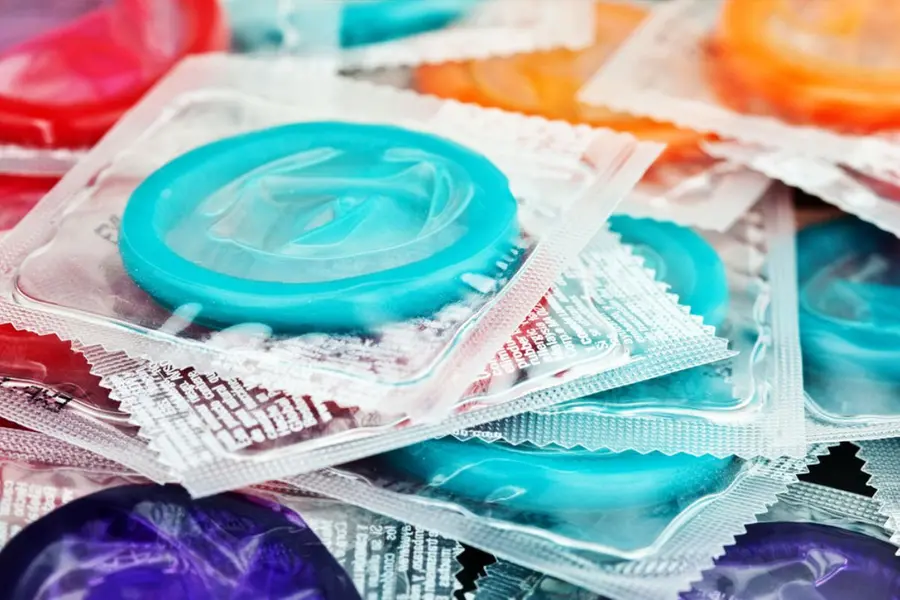
New Delhi: Supply chain disruptions in the petrochemical sector have begun to affect India’s condom manufacturing industry, triggering shortages of essential raw materials and raising concerns over production and pricing.
According to a report by The Indian Express, the crisis has impacted an industry that produces more than 400 crore condoms annually, placing pressure on both manufacturers and supply chains.
Shortage of key inputs raises uncertainty
Condom production depends largely on two crucial materials: silicone oil, which is used as a lubricant, and ammonia, which helps stabilise latex during manufacturing.
The report noted that manufacturers are currently facing an acute shortage of silicone oil, creating significant uncertainty in the market. At the same time, ammonia prices are projected to rise sharply by 40 to 50 percent.
In addition to this, increasing costs of packaging materials such as PVC and aluminium foil have further intensified the financial strain, leaving manufacturers grappling with a severe cost burden.
Major companies under pressure
Several leading companies in the sector are feeling the impact. These include HLL Lifecare Ltd, which produces around 221 crore condoms each year, along with Mankind Pharma Ltd and Cupid Ltd.
An official from a condom manufacturing firm told the publication that disruptions in supply and fluctuating prices of essential inputs have affected both production levels and the execution of orders.
The official also pointed to logistical challenges as a contributing factor to the current difficulties.
“A price increase of 40 to 50 percent is expected for ammonia, which is essential for condom production. There has been a significant rise in the price of silicone oil, leading to uncertainty in the market,” the official said.
Allocation cuts may tighten supply further
The situation could worsen as the government moves to prioritise petrochemical resources for critical sectors. Officials have suggested that allocations to petrochemical units could be reduced by up to 35 percent, potentially limiting supply for industries such as condom manufacturing.
Industry observers note that the impact is not limited to a single sector. The industry is experiencing clear impacts, although the full scale and depth of the disruption are still being evaluated.
Wider industry impact and social concerns
Experts point out that the ripple effects could extend beyond manufacturing into broader public health concerns. India’s condom market operates on a high-volume, low-cost model designed to ensure widespread affordability.
Rising production costs could lead to higher retail prices, which in turn may reduce usage.
“This has translated directly into pressure on the bottom line. While forced price increases may boost revenue, they will likely decrease sales numbers,” an industry source said.
Given the importance of condoms in family planning and population control, even a marginal decline in usage could have long-term consequences.
Global factors adding to the pressure
The current challenges are also linked to wider global supply disruptions. Petrochemicals are derived from crude oil and natural gas, and fluctuations in global energy markets often influence their availability and pricing.
Recent geopolitical tensions and supply chain bottlenecks have tightened access to several petrochemical derivatives, including silicone-based products and industrial chemicals such as ammonia. These disruptions have affected multiple sectors worldwide, from pharmaceuticals to packaging, with India’s manufacturing ecosystem feeling the knock-on effects.
Published: 01 Apr 2026, 10:11 am IST
Related Topics
Disclaimer: Kindly avoid objectionable, derogatory, unlawful and lewd comments, while responding to reports. Such comments are punishable under cyber laws. Please keep away from personal attacks. The opinions expressed here are the personal opinions of readers and not that of Mathrubhumi.
