
With prices at record lows and the economy growing fast, Budget 2026 could bring tax relief, more jobs and higher spending — but fiscal limits may still cap big giveaways.
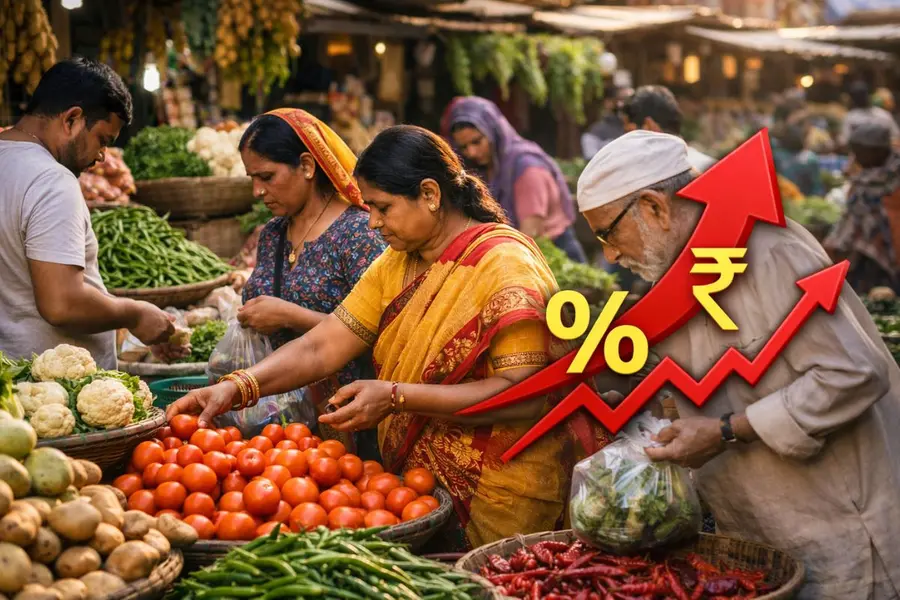
India is just a month away from the annual Union Budget, scheduled to be tabled on February 1. The macroeconomic backdrop heading into Budget 2026 is unusually nuanced: headline GDP growth has surged past 8%, while inflation has cooled sharply to multi-year lows.
Against this backdrop, the government faces the delicate task of sustaining growth momentum without compromising price stability, even as global economic headwinds persist as a concern.
Fiscal prudence will be under scrutiny this year. With inflation slipping below comfort levels and growth remaining resilient, policymakers are expected to carefully calibrate spending and consolidation, ensuring that demand support does not reignite price pressures while also safeguarding medium-term fiscal discipline.
Inflation trends reshape policy space
Consumer price inflation has seen a dramatic turnaround over the past year. CPI inflation eased from 3.61% in February 2025 to just 0.25% by October 2025 — the lowest year-on-year reading in the current CPI series. Although inflation edged up by 46 basis points to 0.71% in November, price pressures remain exceptionally subdued by recent standards.
This disinflationary trend has significantly altered monetary and fiscal calculations ahead of the Budget. In its latest monetary policy review in December, the Reserve Bank of India projected CPI inflation at 2.0% for FY26, sharply lower than the 4.0% forecast it had outlined in April. The central bank noted that the inflation trajectory has “improved sharply” over the course of the year.
Notably, average headline inflation in Q2 FY25 slipped to 1.7%, breaching the lower tolerance band of the RBI’s inflation target for the first time since India adopted flexible inflation targeting.
According to the RBI, this moderation has been driven largely by a steep correction in food prices. Food inflation turned decisively negative, led by sharp deflation in vegetables, cereals, and spices, while core inflation has remained broadly contained despite pressures from precious metals.
What Budget 2026 could focus on
The sharp easing in inflation provides the government with additional policy headroom, but it also raises fresh questions. With prices softening so rapidly, Budget watchers will look for measures that prevent a demand slowdown while keeping fiscal slippage in check.
Capital expenditure, infrastructure push, and targeted support to consumption-sensitive sectors are expected to remain key themes, alongside continued emphasis on fiscal consolidation.
At the same time, the government will need to signal confidence that the current disinflationary gains are durable, not transient. How it balances growth support with fiscal restraint will shape investor sentiment and macroeconomic stability in the year ahead.
As India enters Budget 2026 with inflation at historic lows and growth still robust, the Finance Minister’s proposals will be closely parsed for cues on how New Delhi plans to convert this rare macroeconomic alignment into sustained economic momentum.
Published: 03 Jan 2026, 10:02 am IST
Related Topics
Disclaimer: Kindly avoid objectionable, derogatory, unlawful and lewd comments, while responding to reports. Such comments are punishable under cyber laws. Please keep away from personal attacks. The opinions expressed here are the personal opinions of readers and not that of Mathrubhumi.
