
BSE shares have tanked in three sessions following SEBI's ban on US-based trading firm Jane Street over alleged market manipulation
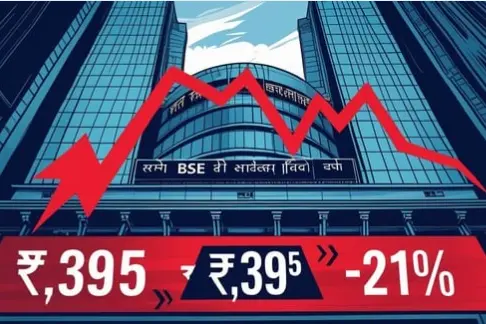
Mumbai: BSE Ltd. shares have nosedived by 15% over the last three trading sessions and are now down 21% from their all-time high of ₹3,030 apiece recorded on July 10, 2025. The recent slide comes after India's capital markets regulator, SEBI, banned US trading firm Jane Street from the Indian stock market for allegedly manipulating stock indices to profit from derivatives trading.
On Tuesday alone, BSE shares dropped by as much as 9.14% to ₹2,395 on the NSE, amid heavy selling in capital market stocks.
SEBI’s action includes a directive to impound ₹4,840 crore — the alleged unlawful gains made by Jane Street. The move has raised concerns about a potential decline in trading volumes in the derivatives segment, which significantly contributes to BSE’s earnings.
Market sentiment worsened further after reports that SEBI is mulling curbs on retail options trading, including measures to link options and cash exposure. Analysts suggest such regulations could reduce derivatives liquidity, hurting firms like BSE that rely on this segment for over 50% of their revenue.
Brokerage Jefferies, however, downplayed the potential earnings impact. According to its estimates, foreign portfolio investors (FPIs) account for only 3–4% of turnover in BSE’s derivatives segment, and Jane Street’s share within that is minimal (about 1%). Jefferies expects only a 60–70 basis point hit to BSE’s FY26 EPS.
Despite the recent fall, BSE stock has delivered a 208% return in the last one year and is still up 40% year-to-date.
Technical analysts caution that a breach of the ₹2,385 level — the previous swing low — could lead to further downside, potentially dragging the stock back to the ₹2,038 support zone.
At 12:30 PM IST on Tuesday, BSE shares were trading 6.99% lower at ₹2,452 on the NSE.
Published: 08 Jul 2025, 02:47 pm IST
Related Topics
Disclaimer: Kindly avoid objectionable, derogatory, unlawful and lewd comments, while responding to reports. Such comments are punishable under cyber laws. Please keep away from personal attacks. The opinions expressed here are the personal opinions of readers and not that of Mathrubhumi.
