
Kerala power row explained: Know how load shedding, power cuts, and demand-driven outages differ.
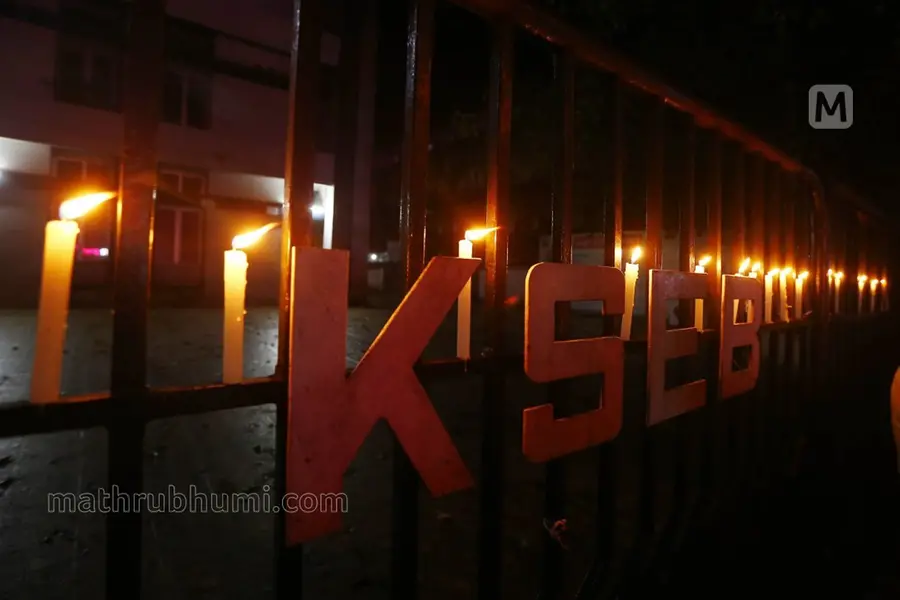
Kerala faces a sharp political row over night-time power disruptions, with the government denying “unannounced load shedding” and the Opposition alleging exactly that. As complaints mount from households enduring repeated late-night outages, officials insist the issue is technical—driven by record demand—while critics call it a governance failure. At the centre of the dispute is a basic question: what exactly are people experiencing—load shedding, power cuts, or demand-driven interruptions?
Government vs Opposition: dispute over outages
Electricity Minister K Krishnankutty said the state is not enforcing load shedding, attributing recent disruptions to temporary overload during peak demand. “It is not being done intentionally. Power consumption has risen sharply, and when there is excessive and indiscriminate usage, the system experiences overload, leading to natural supply interruptions,” he said.
The minister pointed to demand crossing 6,195 MW and said Kerala relies on external supply for around 70 per cent of its electricity, with power banking arrangements already exhausted. “We have approached the Regulatory Commission seeking permission to purchase more power. However, this will come at a higher cost,” he added, while urging consumers to limit usage during peak hours.
The Kerala State Electricity Board (KSEB) reported record consumption, with peak usage touching 117.16 million units on April 18 and evening demand hitting 6,033 MW. A spike to 6,195 MW late on April 23 further strained the system, causing voltage fluctuations and localised failures.
Leader of Opposition V D Satheesan rejected the explanation, alleging “unannounced load shedding” and calling it a “challenge to the people”. “Those who even used electricity bills as a campaign tool are now standing helpless as the crisis unfolds. The unannounced load shedding must be withdrawn immediately,” he said, warning of protests if curbs continue.
What is load shedding?
Load shedding is a planned, controlled response used when electricity demand exceeds supply. Power providers deliberately switch off supply to specific areas in a rotational manner to protect the grid from collapse.
It is a preventive tool. By reducing load in stages, utilities avoid a system-wide blackout and limit damage to infrastructure. Because it is intentional, load shedding is usually scheduled in advance, with public notices allowing consumers to prepare.
The key feature is predictability. Interruptions follow a timetable, often based on severity levels, and are part of a broader grid management strategy during shortages.
What is a power cut?
A power cut, or blackout, is sudden and unplanned. It happens when faults or external factors disrupt the network without warning.
Typical causes include transformer failures, cable damage, maintenance errors, or weather events such as storms and lightning. Unlike load shedding, there is no prior notice, and consumers are caught off guard.
Restoration time varies. Some outages last minutes, others hours, depending on how quickly technicians can identify and repair the fault.
What are demand-driven power interruptions?
These occur when electricity use surges beyond what local infrastructure can handle, especially during peak hours. High temperatures often trigger simultaneous use of air-conditioners and other heavy appliances, pushing demand sharply upward.
This overload can damage transformers or blow fuses, causing immediate local outages. The problem intensifies when actual usage exceeds a household’s declared load or when high-power demand is placed on inadequate connections.
Such interruptions are not scheduled like load shedding and not accidental in the same sense as faults. They are stress responses of an overburdened system, often recurring during the same peak time windows—such as late evenings.
Why the distinction matters now
The current dispute hinges on classification. The government maintains these are demand-driven interruptions caused by unprecedented consumption and system strain. The Opposition labels them as unannounced load shedding, arguing that repeated, predictable outages amount to controlled curbs.
With demand breaching projections and the network under pressure, KSEB has urged reduced usage between 6 pm and 11 pm, while the government seeks approval to procure more power at higher cost. Meanwhile, political exchanges continue over responsibility, past procurement decisions, and the handling of the present crisis.
Published: 25 Apr 2026, 04:02 pm IST
Related Topics
Disclaimer: Kindly avoid objectionable, derogatory, unlawful and lewd comments, while responding to reports. Such comments are punishable under cyber laws. Please keep away from personal attacks. The opinions expressed here are the personal opinions of readers and not that of Mathrubhumi.
