
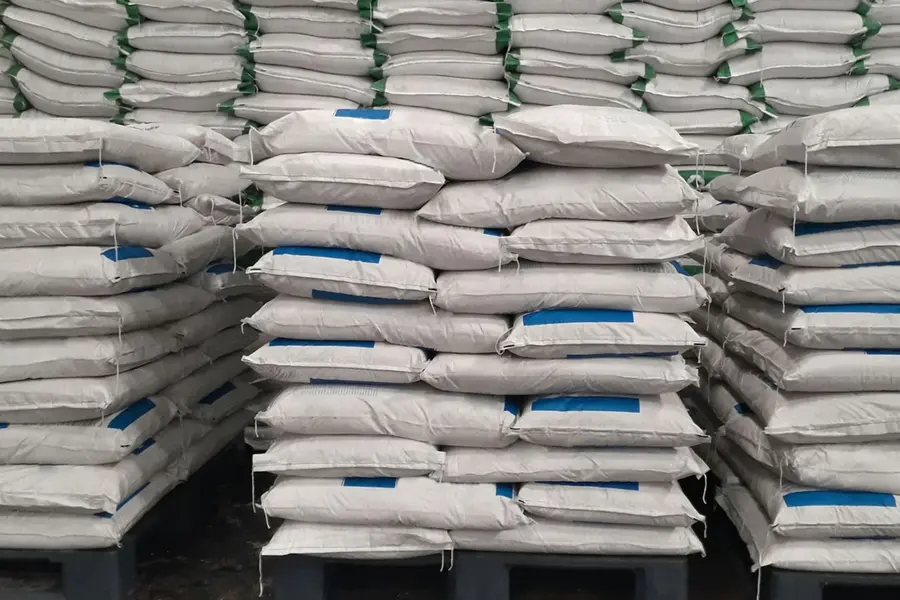
Kannur: Around 75 years ago, the Thalassery Municipality in Kerala sold human waste and other refuse as fertilizer. A municipal notice, which included the selling price, confirmed the sale. In today's context, where waste management has become a major challenge, this initiative from 75 years ago stands as a model of proactive waste handling.
At that time, houses within the Thalassery municipality did not have modern toilets like those seen today. Municipal workers collected human waste from homes, which was then dried and processed into powder to be sold as fertilizer. The municipality’s 1948 bulletin included a notice about this sale.
"The compost fertilizer, made from excrement, is in powdered form and completely odorless. It is highly effective and available at a very low price. It is sold continuously at the rate of 10 annas per ton. For more information, please inquire at the Thalassery Municipal Office." This was the content of the notice, titled ‘Compost,’ with the English announcement followed by a Malayalam version.
Congratulatory letter from Madras Chief Minister

During the British era, and until the formation of the state of Kerala post-Independence, Thalassery was part of the Madras State under the Madras Presidency. Ramaswamy Reddiyar, who was the Chief Minister of Madras, sent a congratulatory letter to the Thalassery Municipality on June 26, 1948.
In his letter, Reddiyar praised the municipality's public sanitation standards, stating that such standards were rare among other municipalities, and suggesting they be adopted as a model. Established in 1866, Thalassery Municipality was one of the earliest in Malabar, originally named the Municipal Commission and later changed to the Municipal Council in 1885.
Published: 07 Nov 2024, 09:27 am IST
Related Topics
Disclaimer: Kindly avoid objectionable, derogatory, unlawful and lewd comments, while responding to reports. Such comments are punishable under cyber laws. Please keep away from personal attacks. The opinions expressed here are the personal opinions of readers and not that of Mathrubhumi.