
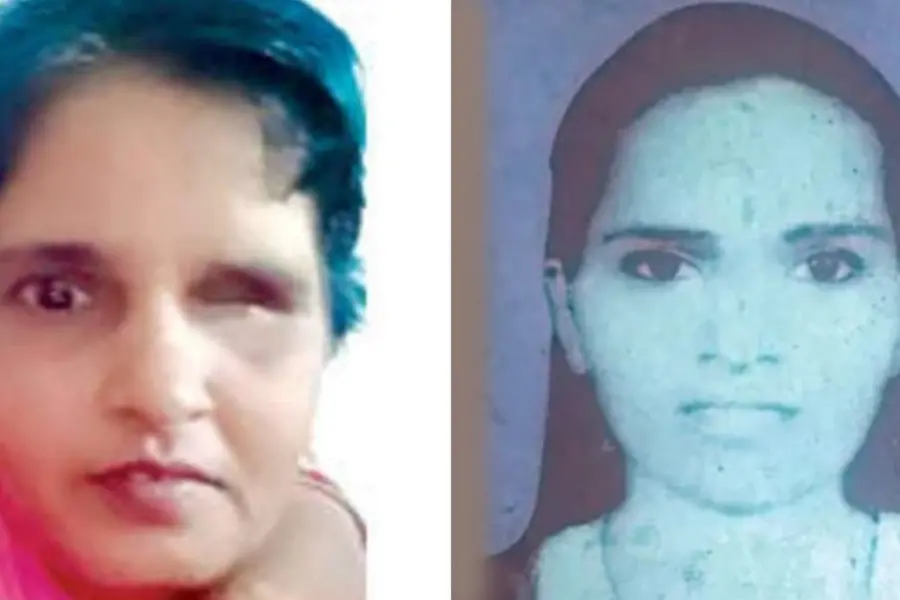
Kasargod: Savithri Mundavalappil, a promising student from Kerala’s Kasaragod district, dreamt of becoming a doctor and giving her family a better life. The daughter of a daily wage labourer, she worked hard to earn a place at Nehru Arts and Science College, Kanhangad. But in 1996, just three days into college, relentless ragging by senior students left her deeeply traumatised. She never returned to class.
The emotional toll was immense. Withdrawn and silent, she locked herself away, refusing to study or even speak about what had happened. Then, in a shocking act of self-harm, she gouged out her own right eye with a pair of scissors used for clipping beedis. The injury was treated, but her mental health never recovered.
Over time, she was diagnosed with bipolar affective disorder and suffered from "command hallucinations"—voices instructing her to harm herself. Without proper psychiatric care, her condition worsened. Her mother, M V Vattichi, and sisters—who rolled beedis to survive—could not afford the continuous medical support she needed.

For years, Savithri was shifted between mental health institutions, including Mental Health Centre in Thiruvananthapuram and later Snehalaya Psycho-Social Rehabilitation Centre in Manjeshwar. At Snehalaya, caregivers tried to help her regain a sense of normalcy. She participated in activities, engaged with others, and slowly improved.
But life never returned to what it once was. Her mother, who lived in a fragile tiled-roof hut wrapped in tarpaulin, longed to bring her home. Government support for a proper house was only approved in 2024-25—too late to reunite Savithri with her family.
Four days before her death, she developed a fever and was admitted to a hospital in Mangaluru. Later, she was moved to the District Hospital in Kanhangad, where she passed away on March 17 due to cardiac arrest.
Savithri’s story is not just one of personal tragedy—it highlights the long-term consequences of ragging and the failure of institutions to protect students. In 2010 the Kerala High Court took notice of her situation, bringing some attention to the dangers of ragging. However, systemic change remains slow. Despite laws against ragging, many victims still suffer in silence, unable to seek justice. Her case also underscores the urgent need for better mental health support and rehabilitation for those affected by severe trauma.
Savithri’s death must not fade into obscurity. Her tragic story is a stark reminder that ragging remains a brutal reality, with reports of extreme bullying and harassment still making headlines across the state. It is imperative to enforce stricter anti-ragging measures, ensure robust mental health support, and provide social care for those battling trauma. No student should suffer the way she did, and no family should be left to endure such a loss in silence.
Published: 18 Mar 2025, 08:16 am IST
Disclaimer: Kindly avoid objectionable, derogatory, unlawful and lewd comments, while responding to reports. Such comments are punishable under cyber laws. Please keep away from personal attacks. The opinions expressed here are the personal opinions of readers and not that of Mathrubhumi.