
A timeline of the Sabarimala temple entry case, highlighting key developments from the 1991 Kerala HC ban to the awaited Supreme Court verdict
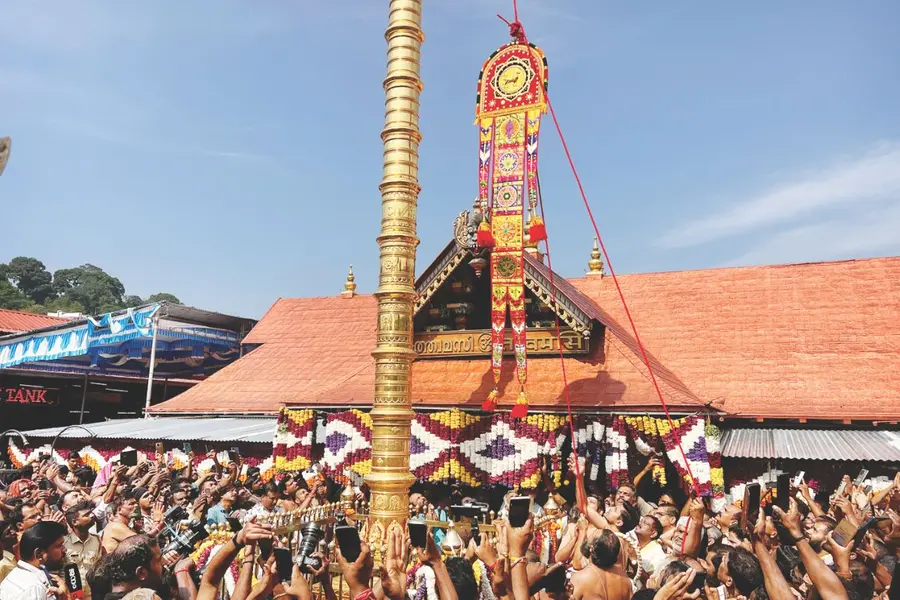
Thiruvananthapuram: The Sabarimala case, one of the most debated legal and social issues in modern India, has seen a complex and evolving judicial journey. The legal battle—focused on whether women of menstruating age should be allowed entry into the Lord Ayyappa shrine in Kerala—had stirred nationwide debate over tradition, gender equality, and constitutional rights.
Here’s a brief timeline of the key developments in the Sabarimala case:
1991 – Kerala High Court Bans Women (Aged 10-50)
In a landmark decision, the Kerala High Court upheld the temple’s age-old practice of restricting the entry of women between the ages of 10 and 50, citing the deity’s celibate nature. The court stated that this was an essential religious practice and not discriminatory.
2006 – Petition Filed in Supreme Court
The Indian Young Lawyers Association filed a PIL in the Supreme Court challenging the 1991 judgment, arguing that the ban violated Articles 14 (equality), 15 (non-discrimination), and 25 (freedom of religion) of the Constitution.
2016 – Supreme Court Refers Case to Constitution Bench
A three-judge bench of the Supreme Court referred the matter to a five-judge Constitution Bench, highlighting the need to examine the conflict between religious freedom and gender equality.
2018 – Supreme Court Lifts Ban
In a historic 4:1 majority verdict, the Supreme Court struck down the ban, calling the restriction on women “unconstitutional and discriminatory.” The court ruled that the practice violated fundamental rights and that the notion of impurity linked to menstruation had no place in religion.
2019 – Review Petitions Admitted
In response to widespread protests and legal pushback, the Supreme Court admitted multiple review petitions. While the verdict wasn’t stayed, the Court hinted at re-examining the matter.
2019 – Larger Bench Ordered
A 9-judge bench was set up to consider the broader legal question of the balance between religious freedom and other fundamental rights. The final word on the Sabarimala matter was deferred until this constitutional clarity was achieved.
2020–2024 – Hearings Delayed
Due to the COVID-19 pandemic and other administrative reasons, hearings on the matter were repeatedly postponed, leading to legal uncertainty on enforcement.
2025 – Awaited Verdict
As of mid-2025, the Supreme Court has not yet delivered a final ruling in the review petitions. The nation awaits clarity on whether the 2018 verdict stands or is revised, especially given its implications on similar faith-based gender restrictions in other religions.
Why It Matters:
The Sabarimala case isn’t just about temple entry—it has become a symbol of the wider conflict between progressive constitutional rights and traditional religious practices. Its final verdict could reshape the jurisprudence around gender, faith, and equality in India.
Published: 24 Jul 2025, 09:22 am IST
Related Topics
Disclaimer: Kindly avoid objectionable, derogatory, unlawful and lewd comments, while responding to reports. Such comments are punishable under cyber laws. Please keep away from personal attacks. The opinions expressed here are the personal opinions of readers and not that of Mathrubhumi.
