
Will Kerala's solar push burden consumers? KSEB warns of rising costs, proposes policy safeguard.
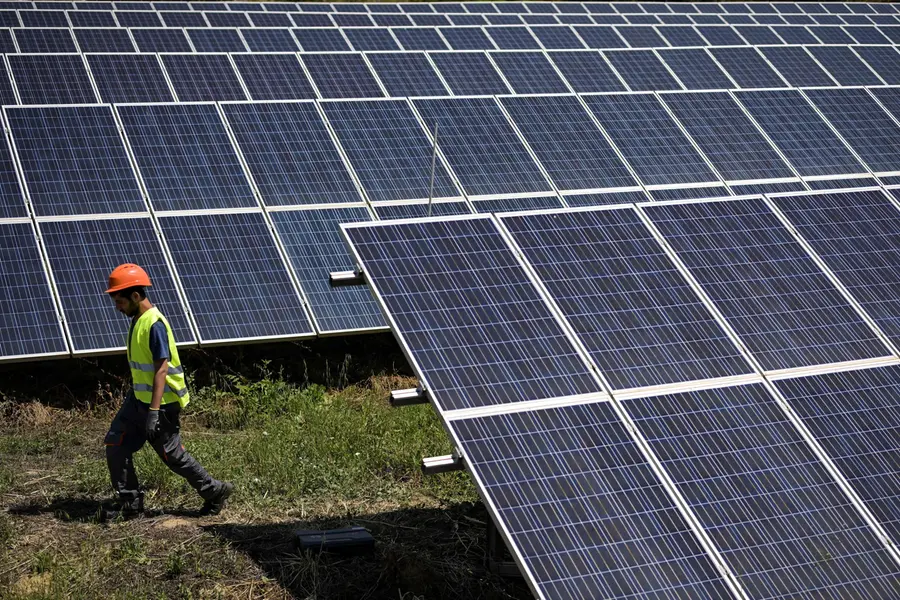
Kerala State Electricity Board (KSEB) recently said that the state ranks fourth nationally in rooftop solar (RTS) capacity as of June 30, 2025—behind only Gujarat, Maharashtra, and Rajasthan. Notably, Kerala has overtaken several southern states like Tamil Nadu, Karnataka, Andhra Pradesh, and Telangana, despite having comparatively lower power demand.
What makes Kerala’s case curious, however, is that while its rooftop solar capacity is nearly double that of Karnataka, its energy consumption patterns do not align with typical solar output hours.
Why solar power timing doesn’t fit Kerala's needs
KSEB observed that in most states with high solar capacity, peak electricity demand occurs during daylight hours, when solar production is active. But in Kerala, peak demand falls between 6 pm and 11 pm—after sunset—creating a mismatch between when power is generated and when it's needed most.
This gap limits the usefulness of solar power during critical hours, making it harder for KSEB to manage supply efficiently.
Daytime power unused, grid bears the strain
KSEB data shows that only 36% of rooftop solar power is consumed by producers during the day. The remaining 64% is fed into the grid. Of this, about 45% is later drawn back by the same users during non-solar hours through the banking system, while 19% is purchased by KSEB at the Average Power Purchase Cost (APPC).
This model forces KSEB to supply expensive power during evening peak hours in exchange for cheap solar energy given to the grid during the day—a financially draining arrangement.
The rising cost of solar banking
As per current regulations, KSEB must provide prosumers with an equal amount of power during evening hours. This has led to a banking-related financial impact exceeding Rs 500 crore in 2024–25 alone. Spread across 1.3 crore consumers, this translates to an added burden of 19 paise per unit.
KSEB warned that if new rooftop solar systems above 3 kilowatts continue to be added without battery storage, this burden could rise further—reaching up to 39 paise per unit by 2034–35.
Technical risk: surplus power and high voltage
Another growing concern is grid safety. In a state like Kerala with limited daytime consumption, excess solar power pushed into the grid can lead to high voltage levels, potentially damaging household appliances. KSEB even anticipates the need to disconnect solar systems temporarily in the future to protect the grid.
A minority driving the cost for the majority
Despite the growing rooftop solar numbers, only about 2.5 lakh consumers—just 2% of Kerala’s 1.3 crore power users—currently generate solar power. Still, all consumers share the financial load created by the banking mechanism. KSEB calls this an unfair outcome that needs correction.
KSEB’s proposed way out
With discussions on the draft Renewable Energy Regulation 2025 underway, KSEB has said it will advocate for a framework that shields ordinary consumers from extra burden. The board seeks to ensure that rooftop solar expansion does not come at the cost of the wider public.
Published: 06 Aug 2025, 09:51 pm IST
Disclaimer: Kindly avoid objectionable, derogatory, unlawful and lewd comments, while responding to reports. Such comments are punishable under cyber laws. Please keep away from personal attacks. The opinions expressed here are the personal opinions of readers and not that of Mathrubhumi.
